



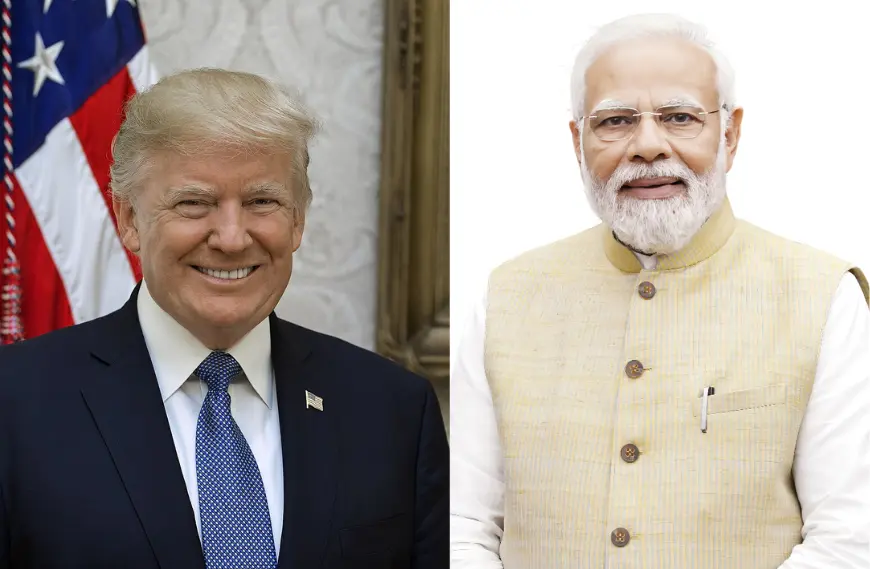
Imagine walking into a store where your favourite imported goods suddenly cost 50% more. No, it’s not inflation, it’s tariffs. US President Donald Trump’s return to aggressive trade policies, especially targeting India, has made headlines yet again. In August 2025, Trump pushed for an increase in tariffs on certain Indian exports to 50%, reviving memories of his earlier “America First” stance. While it’s meant to protect US industries, the ripple effects are being felt across continents especially in India.
Let’s explore what this move means for India’s economy, its industries, and its political relations with the US.
What Are Tariffs?
A tariff is a tax imposed on imported goods. The idea is simple: make foreign goods costlier so that people prefer local products. But in a globally connected economy, this isn’t always straightforward.
During Trump’s earlier presidency (2017–2021), he frequently used tariffs as a weapon to protect American jobs and manufacturers, especially against China. India, too, faced several trade restrictions under his administration.
Now, with Trump back in political focus, the tariff debate is back and this time, India is in the spotlight again.
What has Trump done in 2025?
In August 2025, Trump’s campaign released a detailed trade policy stating that tariffs on a range of Indian exports would increase up to 50%. This includes items like:
- Textiles and garments
- Automobile components
- Pharmaceutical ingredients
- Steel and aluminium products
According to Trump, India enjoys a trade surplus with the US and doesn’t offer a “fair deal” to American businesses.
How Is India Responding?
India has taken a measured approach. While the government has expressed concern, it is also exploring:
- Bilateral negotiations to resolve the issue.
- Boosting trade with other global partners like the EU, ASEAN, and the Middle East.
- Strengthening the Make in India campaign to reduce dependence on exports.
Pros of Trump’s Tariffs (for India):
- Boost to Local Industry:
With reduced exports to the US, Indian companies may shift focus to local markets or other countries.
E.g., A textile company facing US tariff hikes may expand to Europe or strengthen domestic sales. - Policy Reforms & Diversification:
India may push for new trade agreements and improve ease of doing business.
E.g., India might strengthen trade with ASEAN or Africa. - Self-Reliance Push:
Encourages Indian companies to innovate and become self-sufficient.
E.g., “Make in India” gets a fresh boost due to international pressure.
Cons of Trump’s Tariffs (for India):
- Drop in Export Revenue:
Higher tariffs make Indian goods costlier in the US, reducing competitiveness.
E.g., A 50% tariff on Indian auto parts may push American buyers to switch to cheaper alternatives. - Stock Market Volatility:
Companies in export-heavy sectors may see share prices fall.
E.g., Pharmaceutical or textile companies listed on NSE/BSE may face investor panic. - Job Loss in Export Sector:
Reduced exports can impact employment in industries like garments and chemicals.
E.g., Factories producing goods mainly for the US may cut jobs.
Impact of a 50% U.S. Tariff on Indian Share Market
If the U.S. suddenly imposes a 50% tariff (a kind of tax) on goods coming from India, it will make Indian products more expensive for American buyers. That means things like Indian clothes, medicines, auto parts, or steel products will cost a lot more in the U.S. Because of the high cost, American customers may stop buying these products or buy less of them.
This directly affects Indian companies that export (sell goods) to the U.S. Their sales may drop, and they could earn less money. When this happens, investors in India may worry that these companies won’t perform well. So, they may start selling their shares in those companies.
As a result, the stock prices of these companies could go down, especially in sectors like textiles, pharma, or auto parts all of which depend heavily on exports to the U.S.This can lead to a wider fall or instability in the Indian share market, because when one sector struggles, it can shake investor confidence overall. There may be a ripple effect with fear and uncertainty spreading across the market.
Trump’s tariffs are more than just taxes; they are political tools, economic barriers, and diplomatic signals. For India, the challenge is to stay competitive while protecting its economic interests. Whether this tariff storm calms down or escalates will depend on how both nations handle their mutual concerns in the coming months.One thing is clear: in today’s world, tariffs don’t just change prices they reshape global relationships.
