



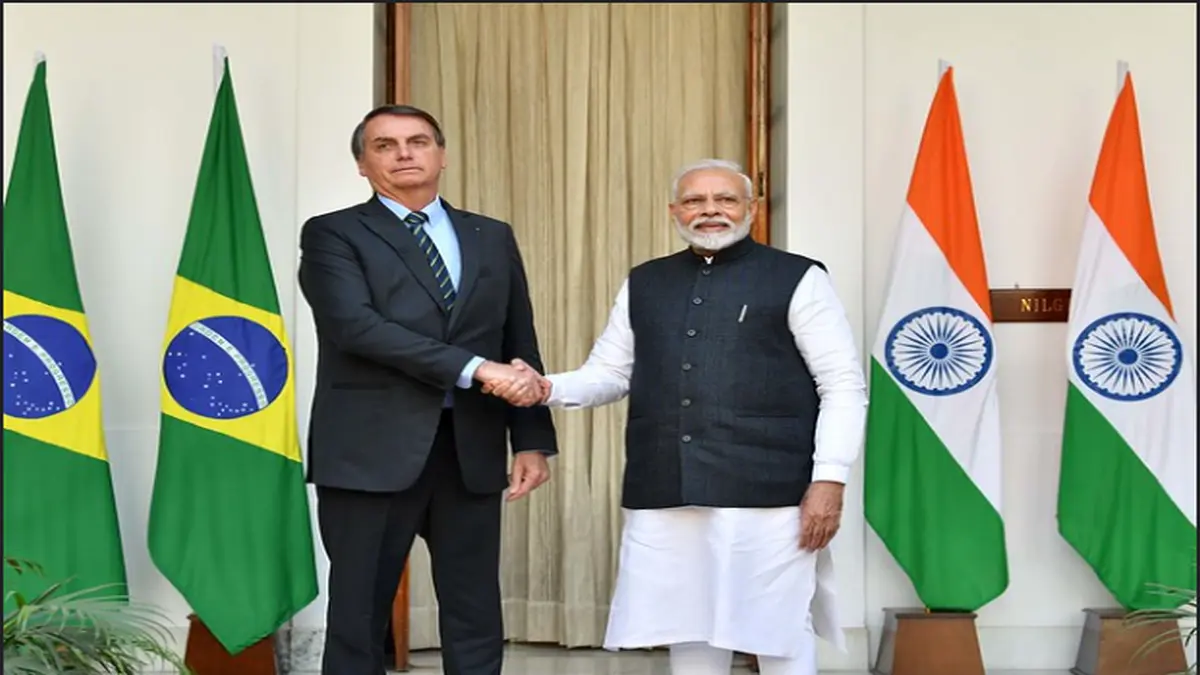
Imagine a quiet evening in a Mumbai chawl. The smell of chai fills the air. A family discusses Prime Minister Narendra Modi’s upcoming trip to Brazil. It begins tomorrow, July 4, 2025, for the 17th BRICS Summit. This journey is more than diplomacy. It weaves a tale of two nations, India and Brazil, bound by shared dreams. Their partnership offers hope, trade, and a vision for the Global South. Let us explore this bond that shapes our future.
India and Brazil’s story began in 1948 with diplomatic ties. Both fought colonial rule with grit. They joined the Non-Aligned Movement during the Cold War. This shared struggle shaped their values. Leaders like Atal Bihari Vajpayee visited Brazil in 2001. Brazilian President Luiz Inácio Lula da Silva came to India in 2004. Now, Modi’s visit to Brazil marks a new milestone. It builds on decades of trust and collaboration. The family in the chawl feels a sense of pride. This history connects them to a global stage.
The India-Brazil-South Africa forum, or IBSA, started in 2003. It brought these nations closer. BRICS membership since 2009 added strength. Both countries push for a fairer world. They want a reformed United Nations and G20 focus on development. This alliance feels personal to Indians. It reflects our own fight for respect on global stages. The Mumbai family nods in agreement. They see their voice in this partnership.
Trade between India and Brazil hit $12 billion in 2024. Farmers in Punjab send spices to Brazil. Brazilian soybeans feed Indian kitchens. Crude oil and sugar flow from Brazil. India exports medicines and car parts. Companies like TCS and Infosys thrive in Brazil. They create jobs and share technology. Modi’s visit may spark new deals. Ethanol from Brazil could power India’s green goals. Indian firms eye Brazil’s lithium mines for clean energy. The chawl family imagines a brighter future.
This economic link is exciting. It connects rural India to Brazilian fields. Imagine a farmer in Gujarat benefiting from Brazilian expertise. Modi’s talks with Lula could open doors. Critical minerals like rare earths are key. They fuel electric vehicles and solar panels. This partnership could transform how we live. The family discusses how this might lower their energy bills.
Strategically, India and Brazil stand together. They want a stronger voice in global forums. Both fight terrorism and climate change. Defence ties are growing. Joint military exercises and tech sharing are underway. Space projects, like satellite launches, show promise. Modi’s summit role will push these agendas. It feels like India is leading a global movement. The family feels inspired by this leadership.
Cultural ties add warmth to this bond. Yoga classes bloom in São Paulo. Bollywood films light up Brazilian screens. The Indian Cultural Centre in Brazil hosts dance events. Students from Brazil study tech in Delhi. The e-Visa makes travel easier. Modi will meet the Indian diaspora in Brazil. Their stories inspire pride in Indian roots. The chawl family recalls relatives who moved abroad.
Energy cooperation is a bright spot. Brazil leads in ethanol and biofuels. India wants to cut fossil fuel use. Joint solar and wind projects are on the horizon. The International Solar Alliance supports this. Brazil’s Amazon efforts mirror India’s climate goals. Modi’s visit could seal green partnerships. It is a chance to protect our planet together. The family hopes for cleaner air.
Challenges exist, but they invite opportunity. Brazil exports more than India imports. This trade gap needs balance. Direct flights between cities are rare. It slows business growth. China’s influence in Brazil’s mines worries some. Yet, India’s focus on mutual growth shines. Modi’s visit can address these hurdles. New trade routes and agreements are possible. The family sees potential in this effort.
This journey reflects India’s Global South leadership. Brazil’s role in BRICS and G20 boosts its influence. Modi’s presence in Brazil strengthens India’s Latin American ties. The summit will highlight shared goals. It is about peace, trade, and fairness. Indians can feel proud of this global role. The chawl family shares this pride.
The Indian diaspora in Brazil adds soul to this story. They carry traditions from Gujarat and Tamil Nadu. Their success in business and arts uplifts India’s image. Modi’s interaction with them will echo in Indian homes. It reminds us of our global family. The family in Mumbai feels connected.
Think of a small town in Kerala. A family watches Modi’s Brazil visit on TV. They discuss how Brazilian coffee could pair with their filter coffee. This connection feels real. It bridges continents through everyday life. Modi’s diplomacy touches us all. The chawl family smiles at this thought.
The BRICS Summit is more than talks. It is a stage for India’s voice. Modi will meet leaders and push for change. Topics like artificial intelligence and climate finance matter. Brazil’s leadership under Lula aligns with India’s vision. This summit could reshape global rules. The Mumbai family hopes for a fairer world.
Back in that Mumbai chawl, the family feels inspired. They see India as a global player. Modi’s visit to Brazil is not just politics. It is a promise of progress. It links our past struggles to a hopeful future. The chai tastes sweeter with this thought.
Let us pause and reflect. This partnership is a mirror. It shows India’s strength and ambition. Modi’s 2025 visit to Brazil is a step forward. It blends trade, culture, and strategy. The Global South finds a champion in India. Every Indian can take pride in this journey.
As you sip your chai, think of Brazil’s rainforests. Imagine Indian tech lighting Brazilian homes. This bond is alive. It grows with every handshake.
