



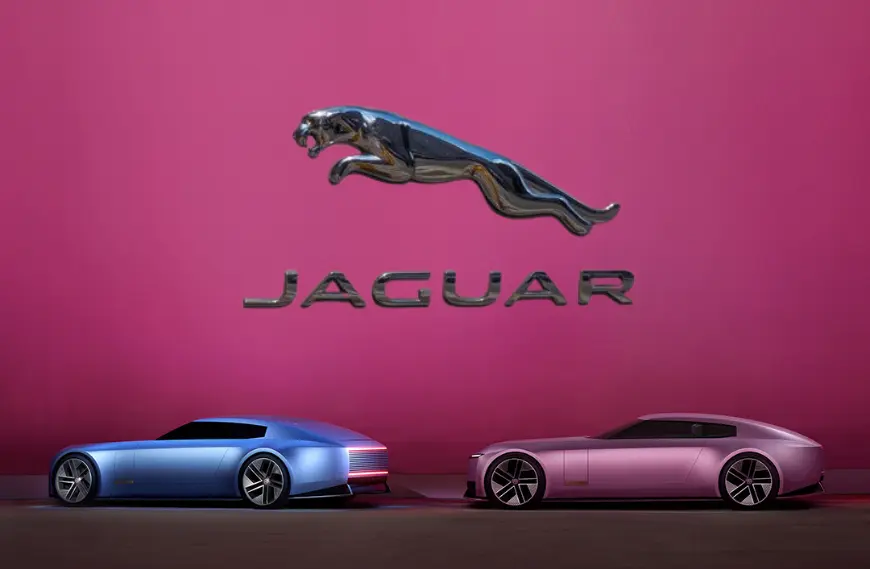
Once a roaring symbol of British elegance, Jaguar is now a cautionary tale. In April 2025, the luxury automaker sold just 49 vehicles across Europe, a staggering 97.5% drop from 1,961 units the previous year. This collapse, one of the steepest in automotive history, follows a radical rebrand launched in November 2024. This is a story of ambition gone awry, with lessons for India’s Tata Motors, Jaguar’s parent company, and brands worldwide. How did a storied marque plummet so fast? The answer lies in a misjudged pivot, a careless campaign, and a betrayal of heritage.
A Legacy of Elegance
Jaguar’s history is iconic. Founded in 1922 as the Swallow Sidecar Company, it became Jaguar Cars in 1945. Its sleek designs, from the E-Type to the XJ, defined British luxury. Known for performance and refinement, Jaguar attracted loyalists, including India’s elite, where it symbolised status. By 2018, global sales hit 180,833 units, with India as a key market. Tata Motors’ 2008 acquisition for $2.3 billion promised a new era, blending Indian innovation with British heritage.
Yet, challenges loomed. The shift to electric vehicles (EVs) strained finances. Competition from BMW, Audi, and Tesla intensified. By 2024, Jaguar’s sales had already dipped to 26,862 units globally. Tata Motors, headquartered in Mumbai, faced pressure to revive the brand. The solution? A bold rebrand to reposition Jaguar as a premium, all-electric marque by 2025. What followed was a disaster.
The Rebrand That Roared Too Far
In November 2024, Jaguar unveiled its “Reimagine” campaign. The iconic leaping cat logo vanished, replaced by a minimalist “JaGUar” wordmark. The campaign, crafted by Accenture Song, featured no cars. Instead, androgynous models in vibrant attire danced to slogans like “Copy Nothing” and “Live Vivid”. Aimed at a younger, diverse audience, it embraced inclusivity and fashion over horsepower. The internet erupted.
Critics pounced. Elon Musk tweeted, “Do you sell cars?” a jab that went viral. X users like @thePhilRivers called it a “$100M mistake,” accusing Jaguar of erasing 100 years of heritage (@thePhilRivers). Traditionalists, expecting sleek sedans, saw performance art. As @ItsjustAwan noted, “Jaguar is no longer a luxury car brand” (@ItsjustAwan). The backlash was swift, with sales plummeting 75.1% year-to-date by April 2025.
A Perfect Storm of Missteps
The rebrand wasn’t the only culprit. Jaguar phased out its entire lineup, XE, XF, F-Type, E-Pace, and I-Pace, before new EVs were ready. Dealerships stood empty, with no inventory to sell (@GuyDealership). The transition to a premium EV brand, targeting vehicles over $100,000, alienated loyalists who cherished affordable luxury. Competitors like BMW (up 32.4% in EV sales) and Audi (up 50.4%) balanced heritage with innovation, while Jaguar gambled on a new identity.
Tata Motors’ strategy backfired. The company halted US exports due to looming tariffs, further choking sales (@GuyDealership). Financially, Jaguar Land Rover (JLR) slashed profit forecasts, with Tata’s stock sliding. Dealerships reported stagnant foot traffic and declining morale. As @riyazmd774 tweeted, “Jaguar spent millions erasing its legacy. Even Elon Musk mocks them” (@riyazmd774).
Indian Perspective: Tata’s Dilemma
Jaguar’s collapse hits home. Tata Motors, a symbol of Indian ingenuity, faces scrutiny. The 2008 acquisition was a bold move, proving India could steward global brands. Yet, Jaguar’s 97.5% sales drop in Europe reflects poorly on Tata’s oversight. India’s luxury car market, growing at 7% annually, demands brands like Jaguar. A misstep here risks ceding ground to rivals like Mercedes-Benz, thriving in cities like Mumbai and Delhi.
Tata’s ambition to make Jaguar an EV leader was visionary. India’s push for green mobility, with 10% EV adoption by 2030, aligns with Jaguar’s pivot. But the execution faltered. The absence of new models until 2027, coupled with a careless campaign, confused Indian buyers who associate Jaguar with prestige. As X user @IndiaTechGuru noted, “Tata’s heart was in the right place, but Jaguar forgot its soul”.
Cultural Clash and Consumer Backlash
The rebrand’s inclusivity push sparked debate. Critics labelled it “woke,” accusing Jaguar of pandering to a niche audience. The campaign’s focus on identity over engineering alienated core customers. affluent men aged 40–60 who valued performance. Wired magazine noted a broader corporate retreat from DEI initiatives, suggesting Jaguar misread the cultural moment. X user @lulumeservey called the strategy “disastrous,” arguing it prioritised optics over sales (@lulumeservey).
Globally, the backlash mirrors India’s own media challenges. Misinformation and polarisation, as seen in recent India-Pakistan tensions, show how narratives can spiral. Jaguar’s campaign, meant to inspire, instead fuelled division.This underscores the risks of alienating loyalists in pursuit of trends.
Lessons from the Abyss
Jaguar’s collapse offers lessons. First, heritage matters. Dropping the leaping cat logo erased a symbol of pride, akin to India’s cultural icons like the Taj Mahal. Second, timing is critical. Phasing out models without replacements left dealers stranded. Third, authenticity trumps trends. BMW and Audi evolved without abandoning their roots . As JLR’s Rawdon Glover defended the rebrand, claiming it attracted younger buyers, data showed otherwise: only a 24% uptick in Google searches from high-income households.
India’s brands can learn here. Tata’s Nano faced similar criticism for misjudging its market. Successful Indian brands, like Amul, balance tradition with innovation. Globally, Bud Light’s 2023 backlash showed the perils of cultural missteps. Jaguar’s 98% sales plunge dwarfs that, making it a case study for business schools .
Can Jaguar Recover?
Hope isn’t lost. Jaguar’s upcoming EV, the Type 00 GT, set for 2027, promises 700 km range and 600 hp. Built on the Jaguar Electrified Architecture (JEA), it could rival Tesla’s Model S. But the wait is long. JLR is reviewing its agency contract, hinting at a course correction. A return to heritage, leather interiors, sharp lines, could woo loyalists, as suggested by The Daily Caller.
Tata Motors must act fast. India’s EV market, with players like Mahindra and BYD, is fierce. Jaguar needs affordable EVs to compete in cities like Bengaluru. Engaging India’s youth, as seen in the Northeast’s tourism boom, could rebuild brand loyalty. As X user @jeremykuoo urged, “A simple pivot could’ve saved it all” (@jeremykuoo).
A Global Warning
Jaguar’s fall is a universal tale. Brands like Rolls-Royce or India’s Royal Enfield thrive by embracing heritage. Jaguar’s pivot to a “lifestyle brand” ignored its core: cars. The 0.1% market share in the UK and Australia signals irrelevance. As Success Quarterly noted, “Jaguar’s roar is now a whisper”.
India’s cultural ethos, rooted in timeless values, offers a lesson. From the Mahabharata to modern startups, authenticity endures. Jaguar must rediscover its soul. For Tata, it’s a chance to prove Indian innovation can revive a global icon. Jaguar’s story warns: stray too far, and you risk everything.
