



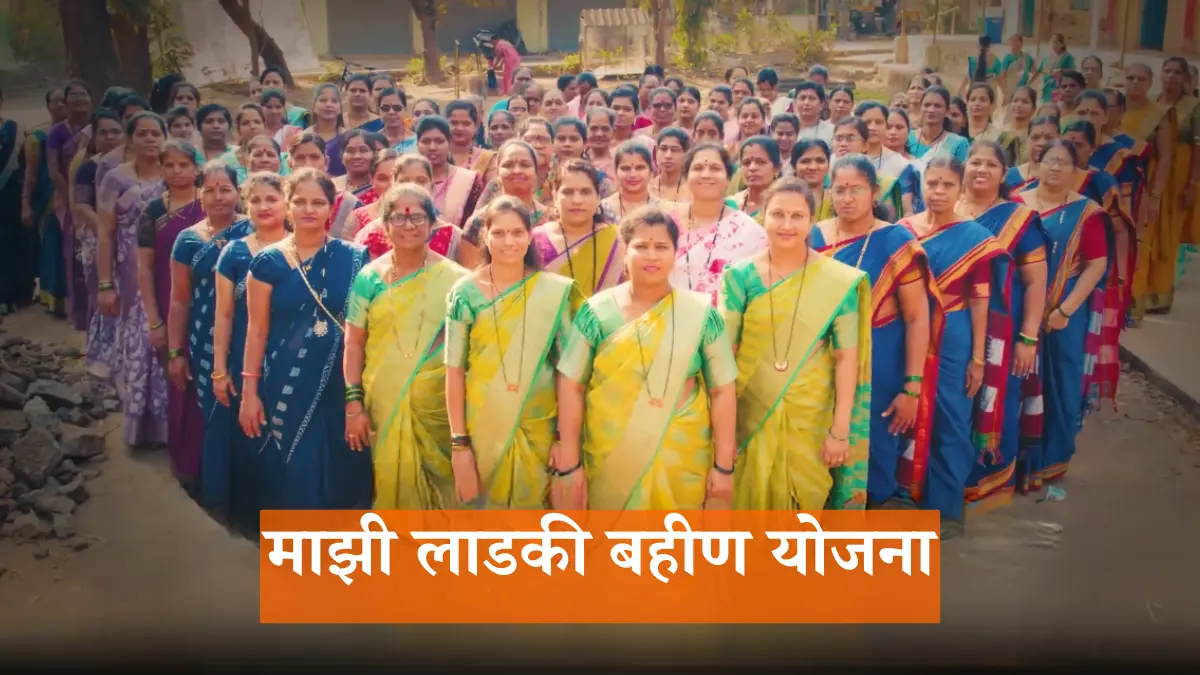
The Mukhyamantri Majhi Ladki Bahin Yojana was launched in Maharashtra in August 2024 to provide ₹1,500 every month to women aged 21 to 65 from families earning below ₹2.5 lakh annually. It quickly became one of the state’s most popular welfare schemes, reaching over two crore women. However, a recent audit has exposed major loopholes, revealing how weak verification systems allowed widespread misuse.
Weak Verification, Big Losses
The audit found that 14,298 men successfully registered as women and claimed benefits meant exclusively for female beneficiaries. This error drained around ₹21.44 crore from public funds. Additionally, over 26 lakh women deemed ineligible due to higher incomes, duplicate entries, or other disqualifications were also receiving payouts.
These revelations exposed a critical failure in the digital verification process. Basic checks such as gender authentication and household-level scrutiny were either bypassed or inadequately enforced.
How the Loophole Emerged
Officials admitted the scheme was launched hastily ahead of the 2024 state elections. Rushed implementation meant self-declared details were accepted without rigorous checks. Some households even enrolled more than the allowed two female beneficiaries, creating additional financial strain.
The lack of cross-verification allowed fraudulent data entry and duplication, which overwhelmed the system and diverted funds away from genuine beneficiaries.
Digital Governance Under the Scanner
Despite Aadhaar-based registration, the system failed to identify mismatched details or prevent overlapping enrolments. Automated filters that should have flagged errors were either underused or ineffective. This raised larger questions about the state’s reliance on digital platforms without strong back-end oversight.
Government Response
Following the audit, payouts to all flagged accounts were halted. Deputy Chief Minister Ajit Pawar confirmed that funds wrongly claimed by male beneficiaries would be recovered. The Women and Child Development Department also announced stricter verification measures to weed out ineligible applicants.
Fixing the Scheme
The state has begun using income tax data to confirm eligibility, limiting claims to households without private vehicles other than tractors, and removing duplicate entries. These measures aim to ensure that benefits reach only deserving women while preventing misuse.
Lessons for the Future
The Ladki Bahin loophole shows how rushed implementation and weak audits can derail well-meaning policies. While digitisation improves access, it cannot replace robust governance. For welfare schemes to succeed, verification processes must be airtight and continuously monitored.
This episode underscores the need for strong checks and real-time data validation to prevent fraud and safeguard taxpayer funds. Maharashtra must now focus on restoring credibility and protecting genuine beneficiaries from further disruptions.
