



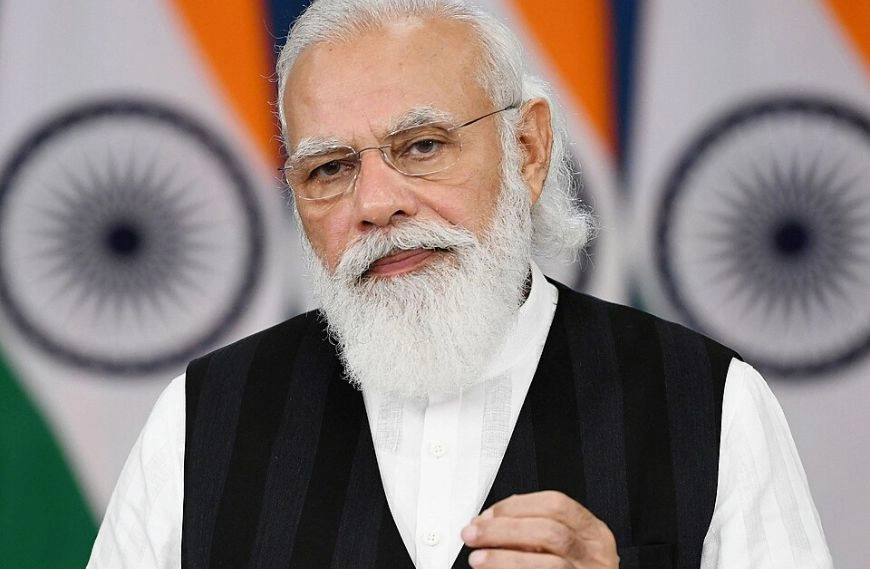
When Prime Minister Narendra Modi addressed the nation from Bhutan after a deadly car explosion near New Delhi’s Red Fort, he used a striking phrase: “the conspirators behind this will not be spared.” This choice of words carries more than just emotion; it shapes expectations, frames the investigation, and signals how the government wants the public to view the event.
By pledging that the ‘conspirators’ will face justice, the prime minister communicated two main messages. First, that this was not an accident but a planned act. Authorities are investigating the incident under India’s anti‑terror law, the Unlawful Activities (Prevention) Act (UAPA). Second, the promise of “will not be spared” sets a high bar. It signals the government will pursue the matter with full force, increasing public expectation for quick arrests and accountability.
In political communication, words carry weight. The term ‘conspirators’ implies multiple actors, coordination and hidden networks far more serious than a lone attacker. Likewise, saying “will not be spared” indicates no mercy for perpetrators. Together they frame the incident as part of larger security and national‑interest concerns, rather than a local crime. That framing affects how media cover the event, how investigators prioritise it, and how the public responds.
While forceful language has impact, it also brings risk. Such strong words can raise expectations that must be met. If the investigation stalls, or if no suspects are quickly identified, public trust may erode. It also places pressure on investigative agencies to deliver high‑profile results. The prime minister’s words thus become a contract with the public more than just a statement.
Modi made his statement while in Bhutan for a diplomatic visit. This choice added a layer of symbolism. It showed that even while abroad, the government is deeply engaged in domestic security issues. However, it also invites scrutiny. Why was he abroad when the incident occurred? The phrasing, therefore, serves to bridge that gap by emphasising urgency and central control.
The media immediately picked up the “will not be spared” line. Headlines emphasised the vow, reinforcing the narrative of decisive action. For citizens, especially victims’ families, such phrasing offers reassurance. For suspects and their networks, it signals seriousness. For critics, it becomes a metric against which government performance will be judged.
Language like ‘not spared’ is not only for communication it may carry deterrent intent. By publicly declaring zero tolerance, the government seeks to deter future attacks. It broadcasts to would‑be conspirators that the state is alert and capable. Whether this works depends on subsequent actions, but the rhetoric lays the foundation.
At the same time, escalated rhetoric can escalate fear. Using heavy terms might raise public anxiety and lead to calls for fast justice, which can pressure agencies into mistakes. Furthermore, if the narrative becomes one of constant danger, it can shape public mood, media tone and political debate in potentially harmful ways.
India has witnessed major terror and violence incidents in the past. The strong wording recalls earlier occasions when leaders vowed that perpetrators would not escape. The difference here is the location (a heritage site near the Red Fort) and the modern security context. The phrase “will not be spared” builds on that legacy while adding a contemporary urgency.
What will matter now is whether the investigation substantiates the framing. If evidence of a ‘conspiracy’ emerges, arrests follow, and convictions occur then the promise aligns with outcome. If not, the vow may become fodder for critics. Thus, the words act as a promise and a test.
Words are powerful. In the realm of security and national events, they signal intent, set tone and shape expectations. When Prime Minister Modi declared the conspirators “will not be spared”, he was doing more than offering condolences he was framing the incident, defining the response and committing the state. For media commentators, communication students and journalists, this moment is a study in how language and politics intersect during crises.
Subscribe Deshwale on YouTube
