











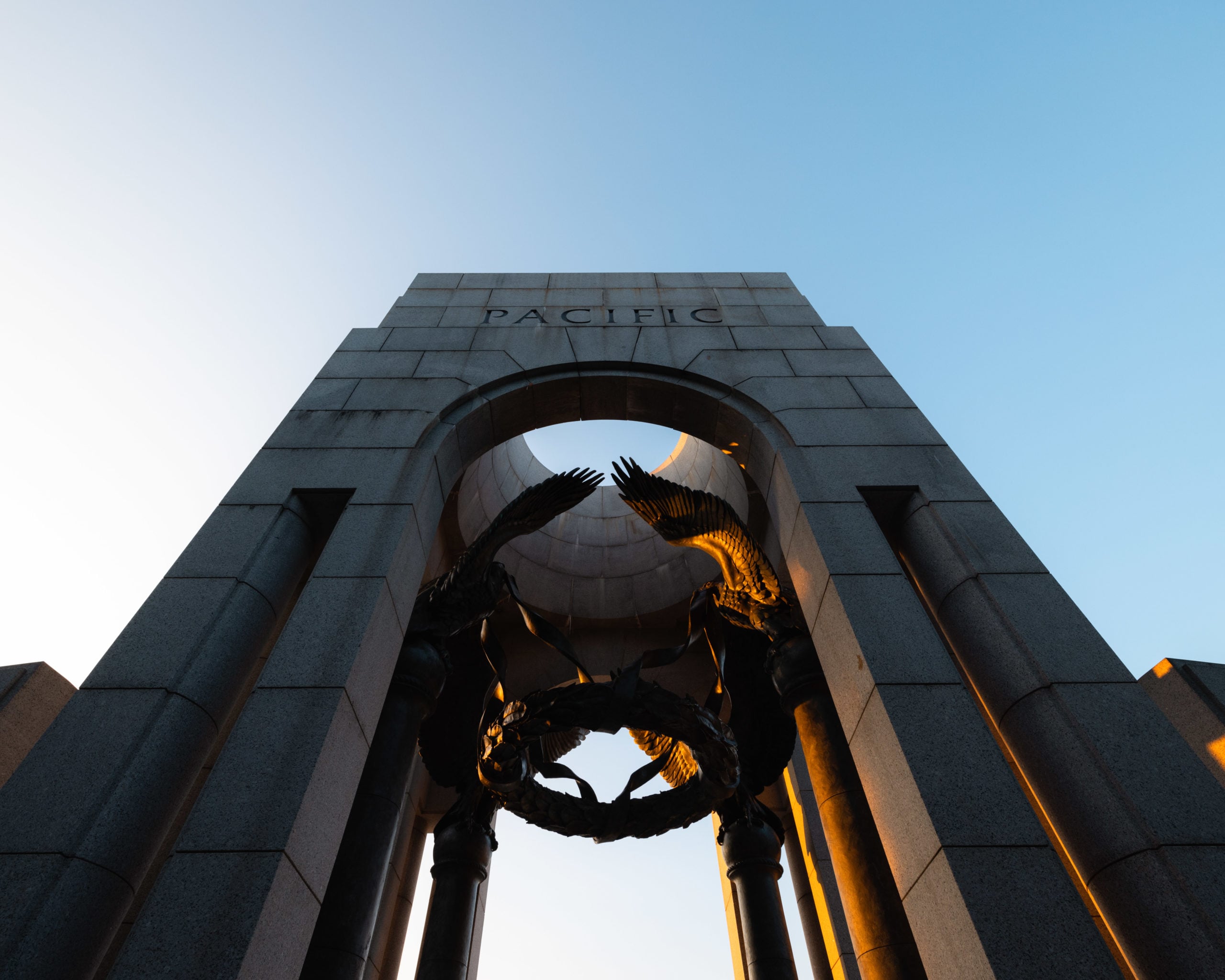
On February 28, 2026, amid the marble hush of Washington’s National Mall, where fountains murmur like distant artillery and granite pillars stand sentinel to a war that reshaped continents, a young man from Hyderabad dared to move.
Madhu Raju, 28, software engineer on an H-1B tether to the American grind, paused before the Pacific Arch. His phone captured it: sneakers scuffing polished stone, arms slicing air to the rollicking beat of Naatu Naatu, that Telugu thunderclap from RRR, Oscar-crowned for its raw, rebellious joy. No script, no spotlight. Just Raju, hoodie rumpled from a morning code sprint, channeling the song’s hook step as if summoning monsoon rains over the Reflecting Pool.
The video, tossed onto TikTok at 3:47 PM EST, ignited. It clocked 2.3 million views in two days, a digital wildfire of cheers from Mumbai millennials to Michigan veterans. “Desi soul in DC’s heart,” one commenter typed. Another wrote: “Finally, life in this tomb of triumphs.”
Then the shadows lengthened.
The Fallout: From Viral Joy to Deportation Threat
Park rangers cited Raju for unpermitted filming, a Rs 4,000 slap on the wrist for disorderly conduct in a sacred space. But ICE agents arrived on March 5, Notice to Appear in hand, with a deportation hearing set for March 15.
Raju’s sin, in the eyes of the authorities, was turning solemnity into spontaneity, his immigrant exuberance brushing against rules etched for reverence. As he huddles in his Arlington flat, scrolling replays of his own fleeting freedom, the memorial looms larger, not as a backdrop to his peril, but as a vast, whispering testament to lives that danced with death so others might sway unburdened.
In its quiet grandeur, Raju’s twirl becomes less a gaffe and more a defiant coda: joy reclaiming history’s heavy hush.
The Memorial: Architecture of Restrained Power
Envision the approach at dusk, when the Mall’s elms cast filigree shadows across 17 acres of luminous white.
Dedicated on May 29, 2004, on the eve of the 60th anniversary of D-Day, the National World War II Memorial unfurls like a victory wreath. Architect Friedrich St. Florian’s vision of restrained power anchors the site. At its core, twin 43-foot arches frame the Atlantic and Pacific campaigns, their keystones crowned by eagles mid-soar, wings spanning 75 feet.
Below, a circular plaza cradles the Rainbow Pool, its waters once rainbow-hued from wartime ration dyes, now a serene basin flanked by 56 granite pillars. Each pillar stands 17 feet tall, wreathed in bronze laurel, and bears the name of a US state or territory. Wyoming’s windswept resolve is etched beside Alaska’s frontier grit. They encircle the plaza like a coliseum of collective memory, rising from a field of 4,000 gold stars, one for every 100 Americans lost, a constellation representing 405,399 unspoken yet eternal names.
The Design: Rome, Lincoln and a Refugee’s Vision
St. Florian, an Austrian emigre who fled Nazi shadows as a boy, drew from Rome’s Forum and Washington’s own Lincoln Memorial, blending neoclassical poise with modernist restraint.
No towering obelisk mars the vista. Instead, subtle bas-reliefs line the walls, 24 vignettes of GIs storming beaches, Rosie riveting rivets, families rationing hope. The European Theater arch, north facing, gazes toward the Capitol, its rainbow pool fed by cascades evoking Normandy’s waves. To the south, the Pacific arch points westward, its pillars etched with atolls and islands reclaimed in blood-soaked leaps.
“It is a place of contemplation,” St. Florian said at the dedication, shovel in hand beside Tom Hanks and Steven Spielberg, “where the scale of sacrifice meets the intimacy of loss.”
Costing Rs 1,500 crore, adjusted from $182 million, and funded by public donations and congressional resolve, the memorial arrived late. Congress authorised it in 1993, after Vietnam’s shadow had faded, a bipartisan nod to the Greatest Generation too long eclipsed.
The Living Pulse: 4.5 Million Visitors and a Gold Star Mother
The memorial’s pulse beats beyond stone.
It honours 16.1 million Americans who served, draftees from Kansas farms, Navajo code talkers whispering in Dine, women welding Liberty ships in Brooklyn yards. Their echoes draw 4.5 million visitors yearly, per National Park Service tallies, from school groups tracing family dog tags to octogenarians in wheelchairs, hands tracing stars that match their brothers’.
One autumn dawn in 2025, a Gold Star mother from Ohio pressed a faded photo against the pool’s edge. Her son, 19, was gone to Iwo Jima. “He hated the fuss,” she murmured, “but this… this makes it real.”
Accessibility weaves through the design. Braille inscriptions mark the wreaths, wheelchair ramps mirror assault craft gangplanks, and audio tours in 10 languages, including Hindi, narrate battles in measured tones.
The Indian Connection: The Forgotten Fourteenth
For Indians, the arches whisper a shared scar.
Over 2.5 million from the subcontinent fought under British command, in Burma’s jungles against Japan, Italy’s mountains against Rommel, and Africa’s deserts flipping Axis tides. The 14th Army, known as the Forgotten Fourteenth, included Gurkhas from Nepal’s hills and Rajputana Rifles from Rajasthan’s sands. Their valour at Kohima’s tennis court stand alone has been described as the battle that saved India.
Yet the memorial, quintessentially American, nods globally. Its victory wreaths encircle all Allied dead, a quiet inclusion for those 87,000 Indian fallen, whose names are otherwise scattered across Delhi’s India Gate and Imphal’s war cemetery.
Raju’s dance, unwittingly, bridged that chasm. Naatu Naatu’s foot stomps evoke the very resilience of those troops, who marched from paddy fields to Pacific atolls, blending cultures in combat’s forge.
The Debate: Desecration or Defiant Bridge?
Critics, in the aftermath of Raju’s clip, decry it as desecration.
“A war grave isn’t a dance floor,” thundered a Veterans of Foreign Wars post, amassing 12,000 likes. The Park Service, citing 1941 regulations barring recreational demonstrations, fined him on site, then deferred to ICE for visa implications.
Yet a 2023 GAO audit revealed 1,200 unpermitted events yearly at Mall sites, from yoga flows to protest chants, with 80 percent waived for expressive value. Raju’s case received no such grace.
“It was empty,” he insists, his voice steady. “No one around, just me honouring the freedom those stars bought. If Naatu Naatu disrespects, what does silence say?”
His petition has swelled to 48,000 signatures, with Bollywood voices like Rana Daggubati chiming in: “Let the boy groove. It’s what those pillars fought for.”
The Memorial at Twilight: Mirrors for the Living
In twilight’s gold, the memorial transforms.
Fountains hush as families picnic on its flanks, children chasing reflections while elders swap Pacific tales. A Korean War veteran, 98 years old, once confided: “We didn’t fight for marble. We fought for moments like this, alive.”
Raju’s twirl, for all its fallout, revives that ethos: a Hyderabad heartbeat pulsing through American stone, reminding us that memorials are not mausoleums but mirrors for the living.
As his hearing nears, the arches stand unmoved, eternal witnesses to sacrifice’s yield. Not rigid repose, but the right to dance on hallowed ground, feet light with tomorrow’s promise.
Subscribe Deshwale on YouTube


