



A New Vice President on the Horizon
India’s gearing up for a new Vice President after Jagdeep Dhankhar’s resignation, and the buzz is palpable. The Election Commission kicked off preparations on July 23, 2025, but the BJP-led NDA’s pick won’t be finalised until Prime Minister Narendra Modi returns from his four-day overseas tour. Sources say the BJP Parliamentary Board, led by Modi, is eyeing a loyal NDA stalwart, possibly from allies like JD(U) or TDP, to strengthen coalition ties. With the NDA’s strong numbers in Lok Sabha and Rajya Sabha, their candidate is likely to win. Speculation points to BJP MPs nearing the end of their Rajya Sabha terms or Ministers of State as contenders. Dhankhar’s exit, partly due to health concerns, comes as the BJP plans broader government and party reshuffles, making this a pivotal moment for India’s political landscape.
Parliament’s Monsoon Session Hits a Wall
The Monsoon Session of Parliament turned chaotic on July 23, 2025, as opposition protests over Bihar’s Special Intensive Revision (SIR) of electoral rolls brought both Houses to a standstill. In the Lok Sabha, opposition members stormed the Well, waving placards and demanding a discussion, prompting Speaker Om Birla to slam their “street-like” behaviour. The Rajya Sabha faced similar disruptions, adjourning multiple times before calling it a day. The deadlock blocked key business, including The Sports Governance Bill, which aims to ease judicial burdens by creating a Sports Tribunal led by a Supreme Court judge. The opposition’s focus on electoral roll issues in Bihar shows no sign of easing, leaving Parliament gridlocked. This ongoing tussle highlights the deep political divides, with no resolution in sight yet.
Tanushree Dutta’s Harrowing Home Ordeal
Bollywood actor Tanushree Dutta, a key figure in India’s MeToo movement, shared a chilling tale of harassment at her home. In emotional Instagram videos posted recently, she described disturbing incidents like loud noises, door banging, and theft since 2020. Dutta, visibly shaken, said chronic stress has caused chronic fatigue syndrome, impacting her health and work. She accused building management of ignoring her complaints and claimed domestic help was manipulated to target her, including suspected tampering with her water. Dutta, who sparked the MeToo wave with her 2018 accusation against Nana Patekar, plans to file an FIR. The police have advised her to lodge a formal complaint. Her ordeal underscores the lingering challenges faced by women who speak out, raising questions about safety and accountability.
India’s Strong Start in England Test
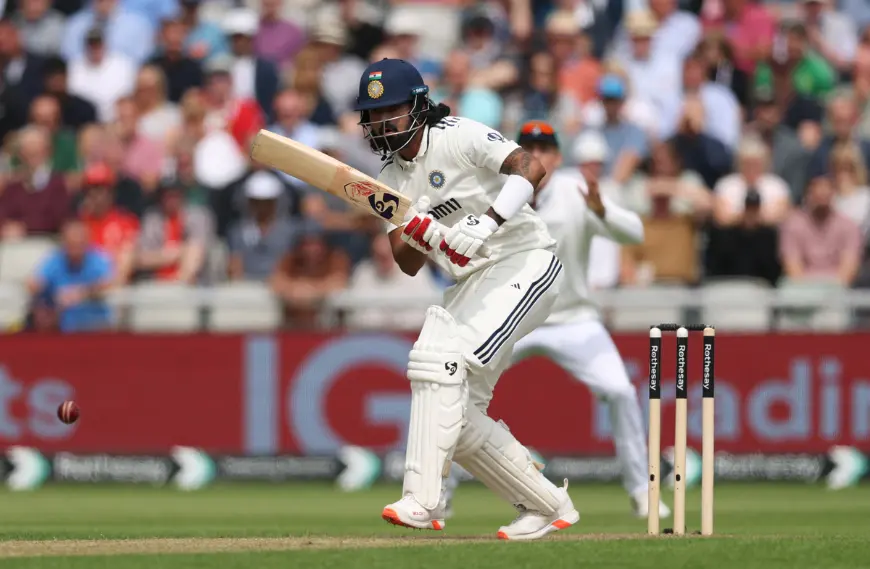
Cricket fans have reason to cheer as India dominated the first session of the 4th Test against England on July 23, 2025, at Old Trafford. Openers KL Rahul and Yashasvi Jaiswal were unbeaten at 40 and 36, respectively, powering India to 78/0 at lunch. Rahul matched Sunil Gavaskar’s record as the second Indian opener with 1,000-plus runs in away Tests, a milestone that lit up the scoreboard. Jaiswal’s flair shone through, smashing a six off Ben Stokes and surviving a lucky boundary against Jofra Archer. England’s decision to bowl first backfired as India’s batsmen stood firm. This solid start sets the stage for an exciting match, with fans hoping Rahul and Jaiswal can build on their momentum to give India a commanding lead in this crucial Test.
Pakistan’s Kashmir Push Fizzles at UNSC
Pakistan tried to spotlight the Kashmir issue at a UNSC debate on July 21, 2025, but it fell flat. Chaired by Pakistan’s Foreign Minister Ishaq Dar, the debate on multilateralism saw him raise Kashmir and India’s suspension of the Indus Waters Treaty after the April Pahalgam attack. Only Türkiye backed Pakistan, while major powers like the US, China, and Russia stayed silent, viewing Kashmir as a bilateral issue. India’s envoy, Parvathaneni Harish, hit back, calling Pakistan’s rhetoric hypocritical given its terrorism record. He defended Operation Sindoor, India’s May 2025 strikes on terror camps, as “measured” and dismissed US claims of brokering a ceasefire. India’s stance, rooted in the 1972 Simla Agreement, insists on bilateral talks. Pakistan’s failure to gain traction shows its isolation on the global stage.
