










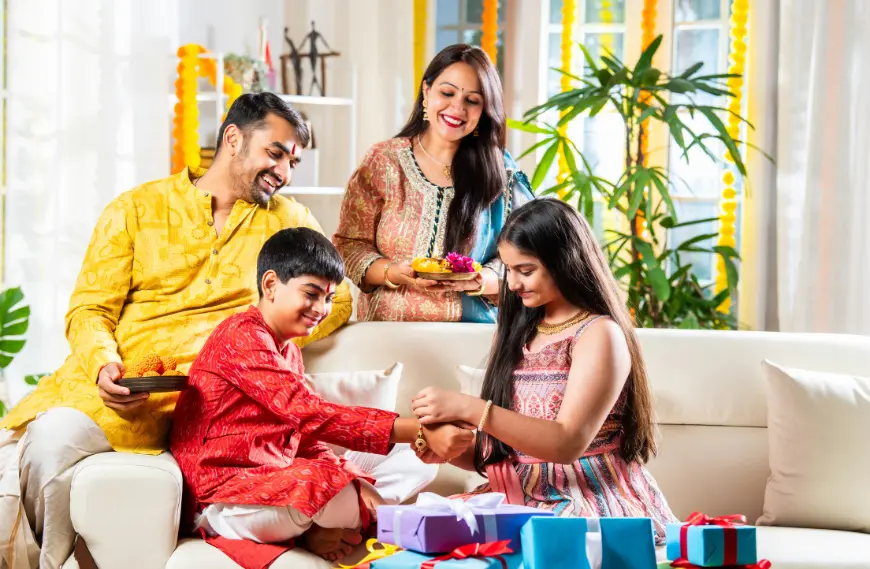
Raksha Bandhan weaves a thread of love and connection, binding siblings in an unspoken vow of affection and commitment. Celebrated on the full moon of Shravan, the festival is more than a ritual—it’s a celebration of trust, shared memories, and evolving relationships. Yet beneath the vibrant rakhis and sweets lies a deeper story. Raksha Bandhan isn’t just about brothers protecting sisters; it’s about partnerships, mutual respect, and rethinking tradition in a changing society.
Imagine a home filled with warmth. A sister ties a rakhi on her brother’s wrist—her hands tremble with affection, and he promises to protect her. It’s a vow as old as time. Ancient tales like that of Draupadi tying a cloth on Krishna’s wrist, and Krishna later defending her honour, shaped the cultural essence of this festival. The precedent was clear: a brother’s duty was sacred.
But times have changed. Today, many women no longer require protection—they seek partnership and equality. They’re leading movements, shaping futures, and challenging norms. According to the 2021 National Family Health Survey, a significant percentage of women in India now make independent decisions. Raksha Bandhan, therefore, must grow with the times. Protection, now, is not a one-way promise. It’s about standing by each other—brother, sister, or otherwise—as equals.
This festival has always transcended blood ties. It’s a bond of choice, not obligation. Across the country, variations of the festival flourish, each carrying the same core value: collective care. In some places, sacred threads are tied to honour soldiers, friends, mentors, and even strangers—anyone who makes a vow to stand beside another.
Yet, Raksha Bandhan has its contradictions. Historically, it reinforced gender roles—brothers as protectors, sisters as the protected. But today, that view is being challenged. Recent studies show many women now view Raksha Bandhan as a symbol of mutual support rather than traditional gender dynamics. In some communities, sisters tie rakhis to each other, or to brothers, pledging equality. In rural regions, women artisans craft rakhis, turning tradition into empowerment and livelihood.
The economics of the festival also reflect its transformation. The rakhi market thrives on creativity and innovation, with handmade, sustainable, and artistic designs gaining popularity. Small businesses and artisans are finding new platforms, especially online, where rakhi sales surge during the festival season. Yet, the commercial boom isn’t without its challenges. Reports continue to highlight the existence of child labour in certain workshops. Ethical choices matter—buying handmade or fair-trade rakhis supports communities and preserves dignity.
What makes Raksha Bandhan so compelling is its capacity to mirror society’s diversity and change. In some places, traditions are reversed, with sisters giving gifts to brothers. Elsewhere, the festival blends into local cultural celebrations, strengthening the sense of community. The festival embraces inclusivity—rakhis are tied for transgender siblings, for mentors, for those who offer support regardless of gender or relation. As societal understanding deepens, so does the reach of this festival.
With globalisation, Raksha Bandhan has found new homes across the world. For families separated by oceans, virtual rakhis and couriered threads keep the spirit alive. Digital platforms allow people to celebrate across continents. While some worry this dilutes the intimacy, for many, it shows how bonds adapt and endure—even in digital form.
At its heart, Raksha Bandhan remains spiritual. The sacred thread symbolises a commitment that’s emotional, moral, and even divine. But spirituality doesn’t mean rigidity. Young people continue to reinterpret the festival—tying rakhis to mentors, environmental symbols like trees, or to express solidarity with causes. Campaigns promoting “green rakhis” made from sustainable materials reflect this shift. Raksha Bandhan is evolving—from a family tradition to a broader expression of love and responsibility.
Challenges persist. The festival’s commercialisation risks overshadowing its deeper meaning. Flashy, mass-produced rakhis sometimes replace thoughtful, handmade ones. In some circles, it’s even seen as a chore. But this is where renewal begins. Grassroots workshops, artisan cooperatives, and educational efforts aim to preserve the spirit of Raksha Bandhan, ensuring it remains heartfelt.
Importantly, the festival also raises questions about gender. Why should protection be one-sided? Sisters protect brothers too. Women today are safeguarding homes, leading protests, preserving culture, and standing strong in their own right. A 2022 national survey revealed that the majority of citizens now see Raksha Bandhan as a mutual commitment—not a patriarchal custom. This shift is powerful. It aligns with wider societal progress toward gender equality and inclusive values.
For many, Raksha Bandhan is deeply personal. It’s the laughter of siblings sharing sweets. The pride of making a handmade rakhi. The quiet promise of standing by someone through life’s uncertainties. The festival reflects who we are—it reflects resilience, unity, and hope. And as the world moves forward, Raksha Bandhan moves with it—embracing new meanings, yet staying rooted in love.
The future of Raksha Bandhan is bright. It could grow into a global symbol of unity and compassion. Through film, art, education, and dialogue, the values of the festival can resonate beyond borders. Imagine tying rakhis not just for family, but for causes—education, sustainability, equality. Raksha Bandhan isn’t just a day on the calendar. It’s a movement. A chance to reimagine tradition, redefine protection, and honour the bonds that truly matter.
So this Shravan, as you tie that thread, let it mean more. Let it represent care, courage, and connection. Because the true essence of Raksha Bandhan isn’t in ritual—it’s in the relationships that give us strength.


