



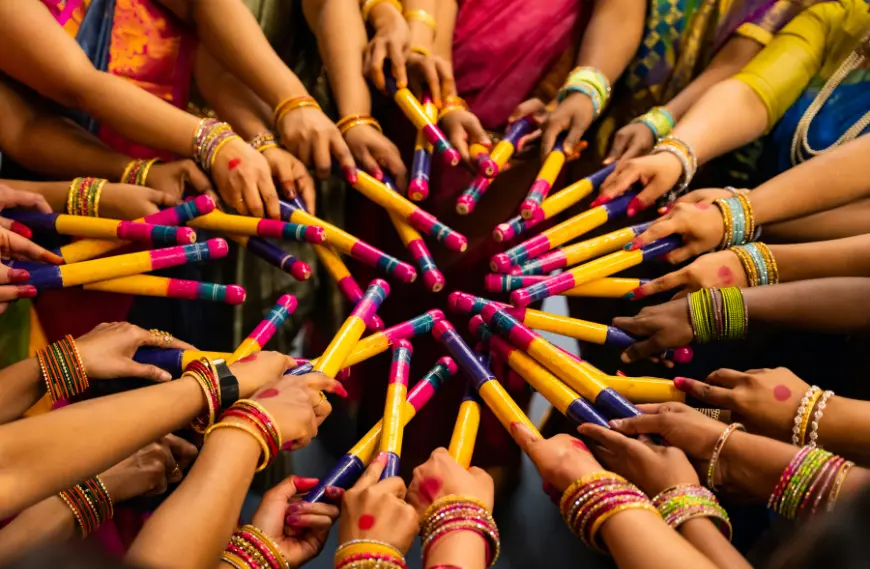
In recent times, the tension between religious identity and cultural tradition has come to the forefront in India, particularly with directives like the ‘Hindus-only’ policy for Garba events in Maharashtra. While Garba is traditionally a cultural celebration, deeply rooted in community festivities and seasonal rituals, the recent insistence on restricting participation based on religion has sparked debate over inclusivity, tradition, and social cohesion.
Cultural festivals, like Garba, historically transcended narrow religious boundaries. They have long been occasions where communities, irrespective of faith, could come together to celebrate art, dance, and music. For decades, these events served as platforms for social bonding, youth engagement, and the promotion of local traditions. The vibrant energy of Garba, with its rhythmic music and intricate dances, has traditionally attracted people from all walks of life, making the festival a shared cultural experience rather than a strictly religious one.
However, recent moves to impose religious criteria on participation challenge this inclusive narrative. Proponents argue that Garba, in its original form, is a ritualistic practice with religious significance, and restricting entry preserves the sanctity of the festival. They see adherence to religious traditions as a way of honoring the spiritual roots of the celebration, ensuring that rituals are performed according to age-old customs.
Critics, on the other hand, emphasize that such exclusivity undermines the very essence of cultural festivals. By tying participation to religious identity, organizers risk alienating communities who may not follow idol worship or belong to a different faith but still wish to partake in the cultural aspects of the event. For many, attending Garba is not just about religious observance but about engaging with music, dance, and the joyous spirit of togetherness. Restricting this access can create divisions in society, eroding interfaith harmony and marginalizing cultural participation.
This debate highlights a broader issue in India’s multicultural landscape: balancing respect for religious traditions with the inclusive nature of cultural practices. It raises critical questions: Should cultural festivals be seen primarily as religious rituals, or should they evolve as shared social experiences that welcome everyone? How can organizers honor tradition without excluding those who wish to celebrate the cultural, rather than religious, aspects of the festival?
Ultimately, the discourse around Garba reflects the ongoing negotiation between identity and inclusivity in India. It challenges cultural analysts, sociologists, and interfaith dialogue groups to rethink how festivals can preserve their spiritual essence while remaining open and welcoming to diverse communities. In an increasingly interconnected society, the ability to celebrate together across differences may be the truest way to honor both culture and tradition.
