









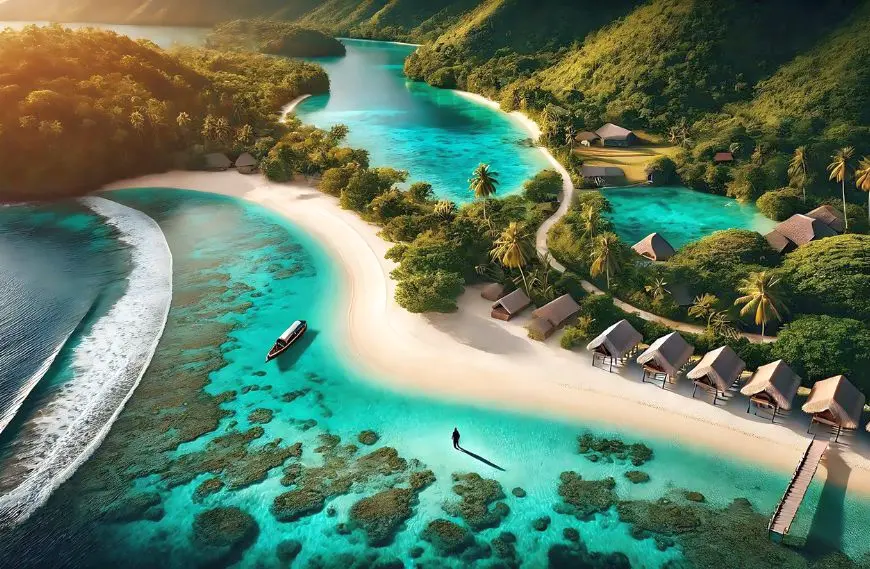
While millions of tourists flock to destinations like Paris, Rome, and Bali each year, some countries remain virtually untouched by mainstream tourism. These least travelled countries offer pristine landscapes, unique cultures, and the chance for a truly authentic experience.
Why are some places rarely visited? Reasons include geographical isolation, political instability, lack of tourism infrastructure, or simply being overshadowed by more famous destinations. This article explores the world’s least travelled countries and why they deserve a spot on your bucket list.
1. Why are some countries rarely visited?
Several factors contribute to a country’s low tourism numbers:
Geographic Isolation
- Some nations are difficult to reach, requiring multiple flights, boats, or long road journeys.
- Remote island nations like Tuvalu or Nauru are accessible only via limited flights.
Political Instability or Conflict
- Countries like South Sudan and Libya suffer from political unrest, deterring travellers.
- Safety concerns often overshadow the beauty and cultural richness of these destinations.
Lack of Tourism Infrastructure
- Some nations have few hotels, restaurants, or transport options, making travel challenging.
- Visa restrictions and limited internet presence make planning a trip difficult.
Undiscovered or Overshadowed
- Some countries simply don’t market themselves as tourist destinations.
- Neighbouring popular countries (e.g., Bhutan vs. Nepal) often steal the spotlight.
2. The least travelled countries in the world
Below are some of the world’s least visited countries based on tourism arrival data.
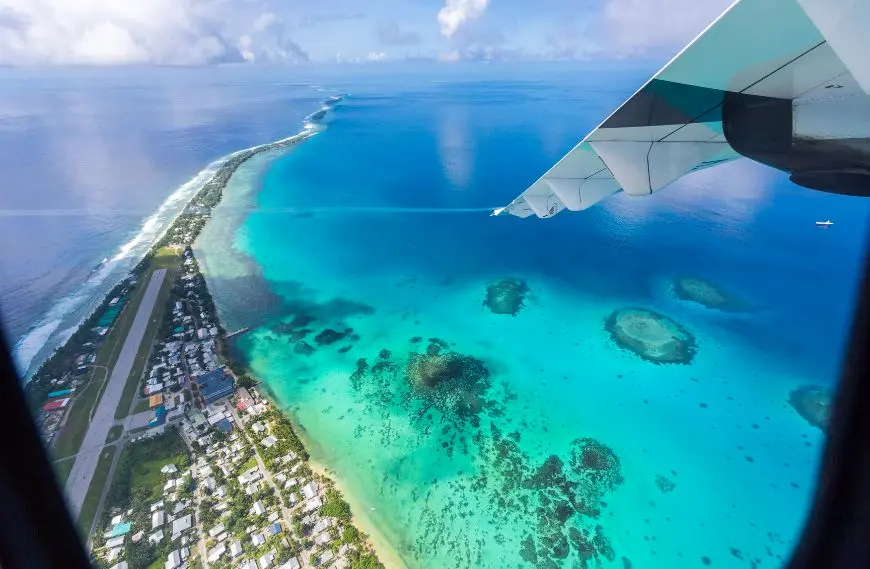
Tuvalu – The least visited country in the world
- Annual Visitors: 2,000
- Why So Few Tourists? Remote Pacific location, limited flights.
- Why Visit? Stunning coral atolls, traditional Polynesian culture, untouched beaches.

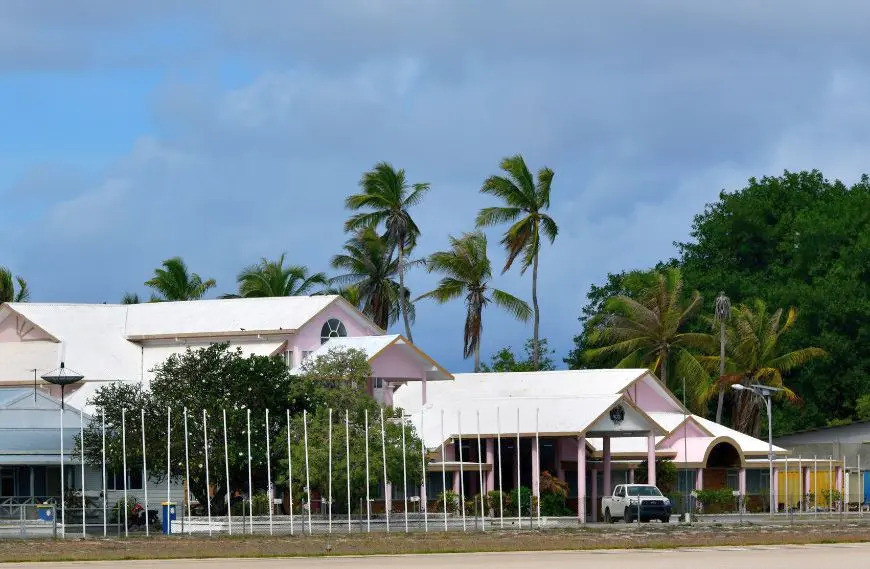
Nauru – The world’s smallest island nation
- Annual Visitors: 3,000
- Why So Few Tourists? Hard-to-obtain visas, lack of tourism facilities.
- Why Visit? Rich phosphate history, scenic coastlines, friendly locals.
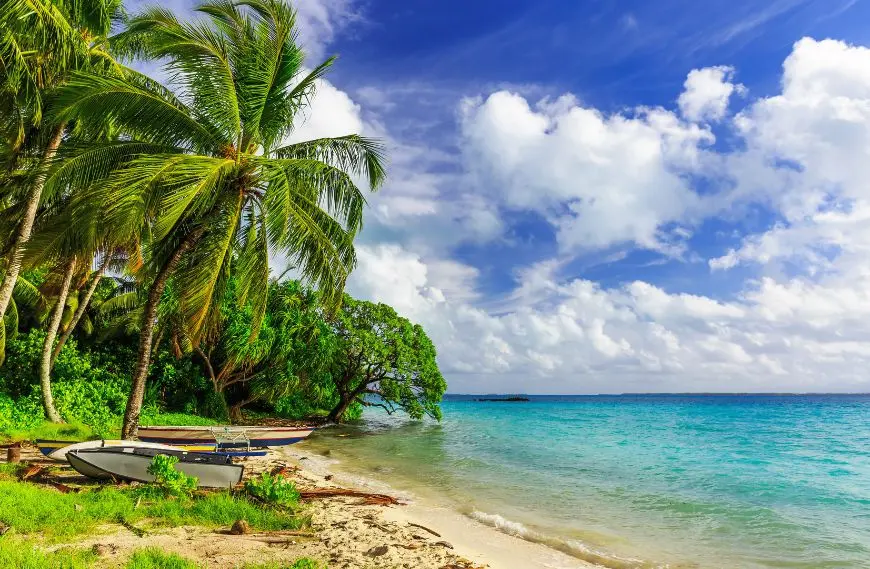
Kiribati – A sinking paradise
- Annual Visitors: 6,000
- Why So Few Tourists? Remote location, minimal tourism development.
- Why Visit? Breathtaking lagoons, fishing and diving paradise, unique Micronesian culture.
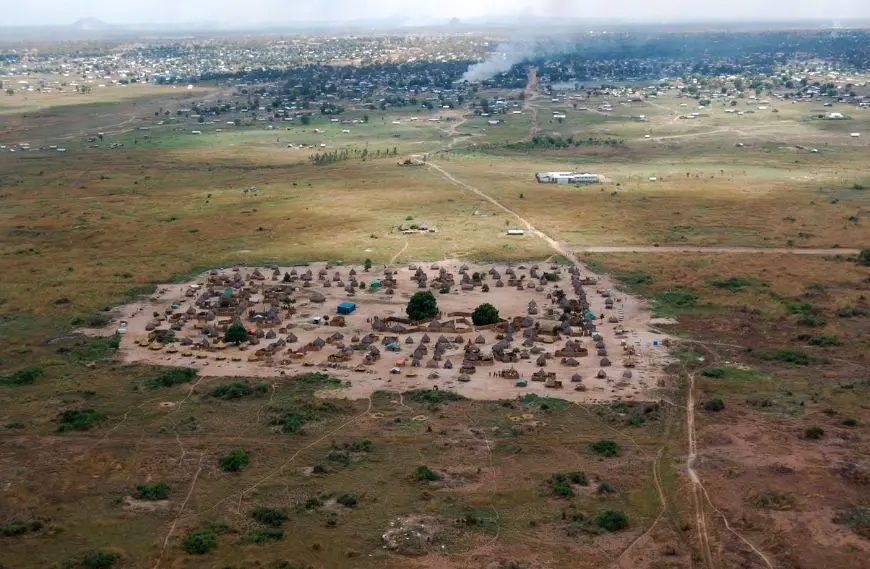
South Sudan – Africa’s newest country
- Annual Visitors: 7,000
- Why So Few Tourists? Ongoing political instability.
- Why Visit? Rich tribal cultures, national parks, and unexplored natural beauty.
Equatorial Guinea – Central Africa’s hidden jewel
- Annual Visitors: 10,000
- Why So Few Tourists? Strict visa policies, expensive travel costs.
- Why Visit? Rainforests, wildlife, beautiful beaches, and Spanish-African cultural fusion.
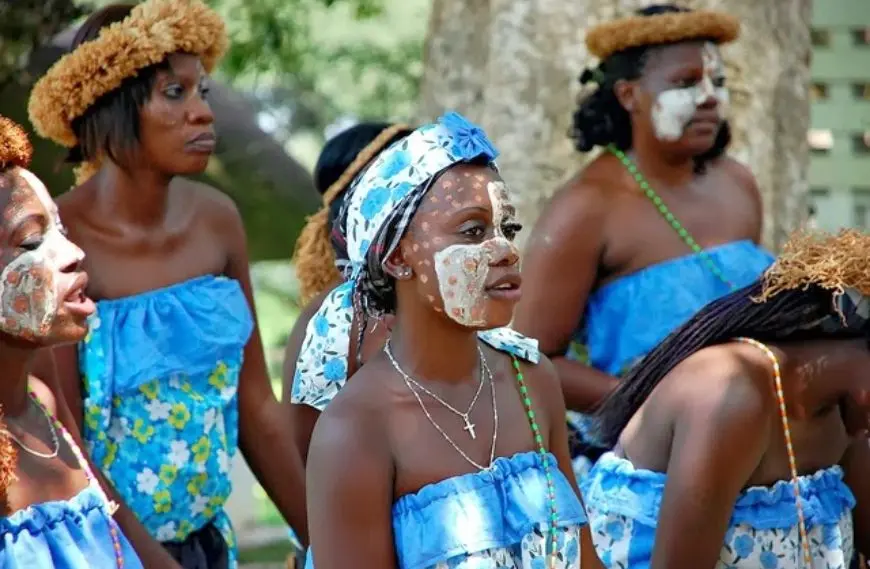
Image Credit – loispiration.com
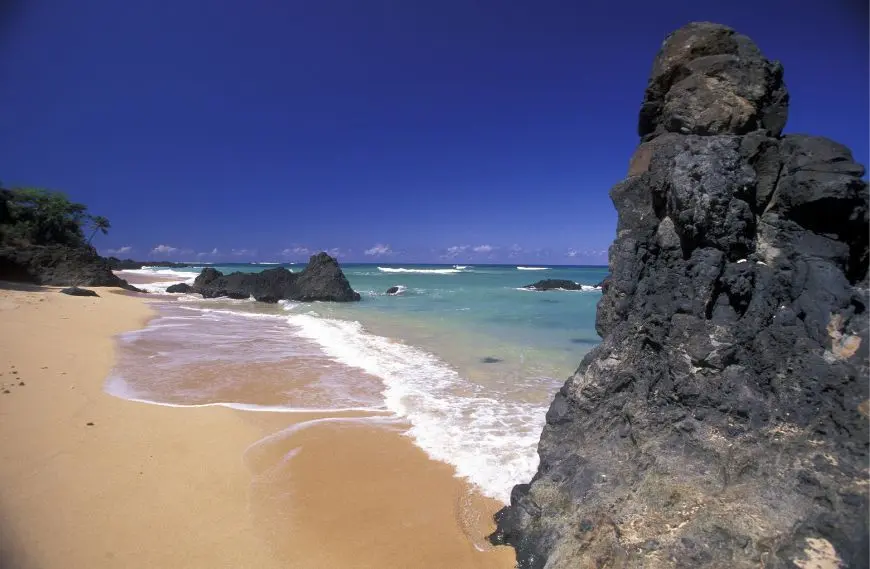
Comoros – The forgotten Indian ocean islands
- Annual Visitors: ~28,000
- Why So Few Tourists? Overshadowed by Madagascar and Seychelles.
- Why Visit? Volcanic landscapes, white sand beaches, and vibrant marine life.
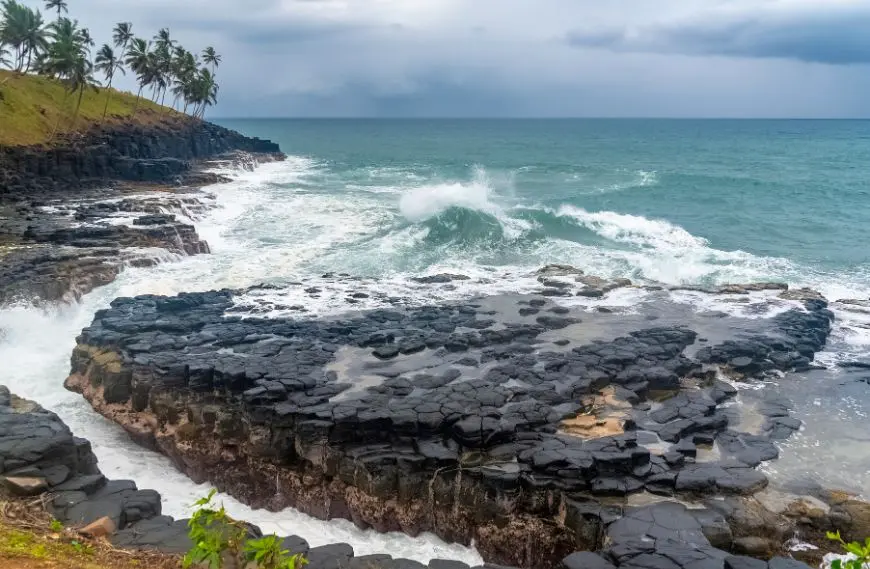
Sao Tome and Principe – Africa’s best-kept secret
- Annual Visitors: 30,000
- Why So Few Tourists? Limited flight connections.
- Why Visit? Pristine rainforests, cocoa plantations, and Portuguese colonial history.
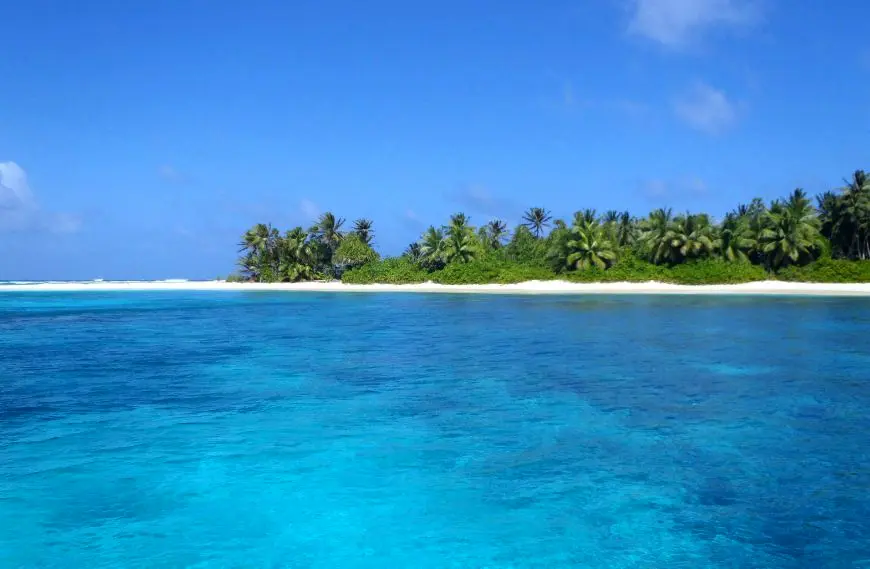
The Marshall Islands – A lost pacific paradise
- Annual Visitors: ~6,000
- Why So Few Tourists? Expensive to reach, few accommodations.
- Why Visit? World-class diving, untouched coral reefs, WWII history.
3. Why visit these hidden destinations?
Unique and Authentic Experiences
- No overcrowding, enjoy pristine locations without the usual tourist crowds.
- Immersive cultural experiences with welcoming locals.
Ecological and natural wonders
- Many of these countries have untouched rainforests, coral reefs, and rare wildlife.
- Sustainable tourism helps protect these fragile ecosystems.
Affordable and offbeat travel
- Some of these places offer incredibly cheap accommodations and local food.
- A great alternative to expensive, overcrowded tourist hotspots.
4. Challenges of visiting least travelled countries
Visa and entry restrictions
- Some countries have complicated visa policies (e.g., Equatorial Guinea).
- Always check visa requirements in advance and apply early.
Transportation and accessibility
- Flights may be infrequent or expensive (e.g., Tuvalu has only one international flight per week).
- Some remote areas require boats, private transport, or long drives.
Safety and health concerns
- Political instability in some regions (e.g., South Sudan) makes travel risky.
- Medical facilities may be limited—travel insurance is essential.
Limited tourism infrastructure
- Few hotels, restaurants, or tour guides—be prepared for DIY travel experiences.
- Learning a few local phrases can help navigate places where English is not widely spoken.
5. How to explore these hidden gems responsibly
Support local businesses
- Choose locally owned hotels, restaurants, and guides.
- Buy handicrafts and souvenirs from local artisans.
Practise eco-friendly travel
- Avoid leaving rubbish in fragile ecosystems.
- Use reef-safe sunscreen and minimise plastic waste.
Respect local cultures and traditions
- Research customs before visiting (e.g., dress modestly in conservative countries).
- Always ask for permission before taking photos of people.
The world’s least travelled countries offer untouched landscapes, rich cultures, and rare experiences far from the tourist crowds. Whether it’s the remote beaches of Tuvalu, the ancient forests of São Tomé, or the wildlife of Equatorial Guinea, these destinations provide adventure and authenticity for those willing to explore.
While travelling to these places requires extra effort, it rewards visitors with memories that few others have. So, if you’re seeking something beyond the usual tourist spots, why not take the road less travelled?


