



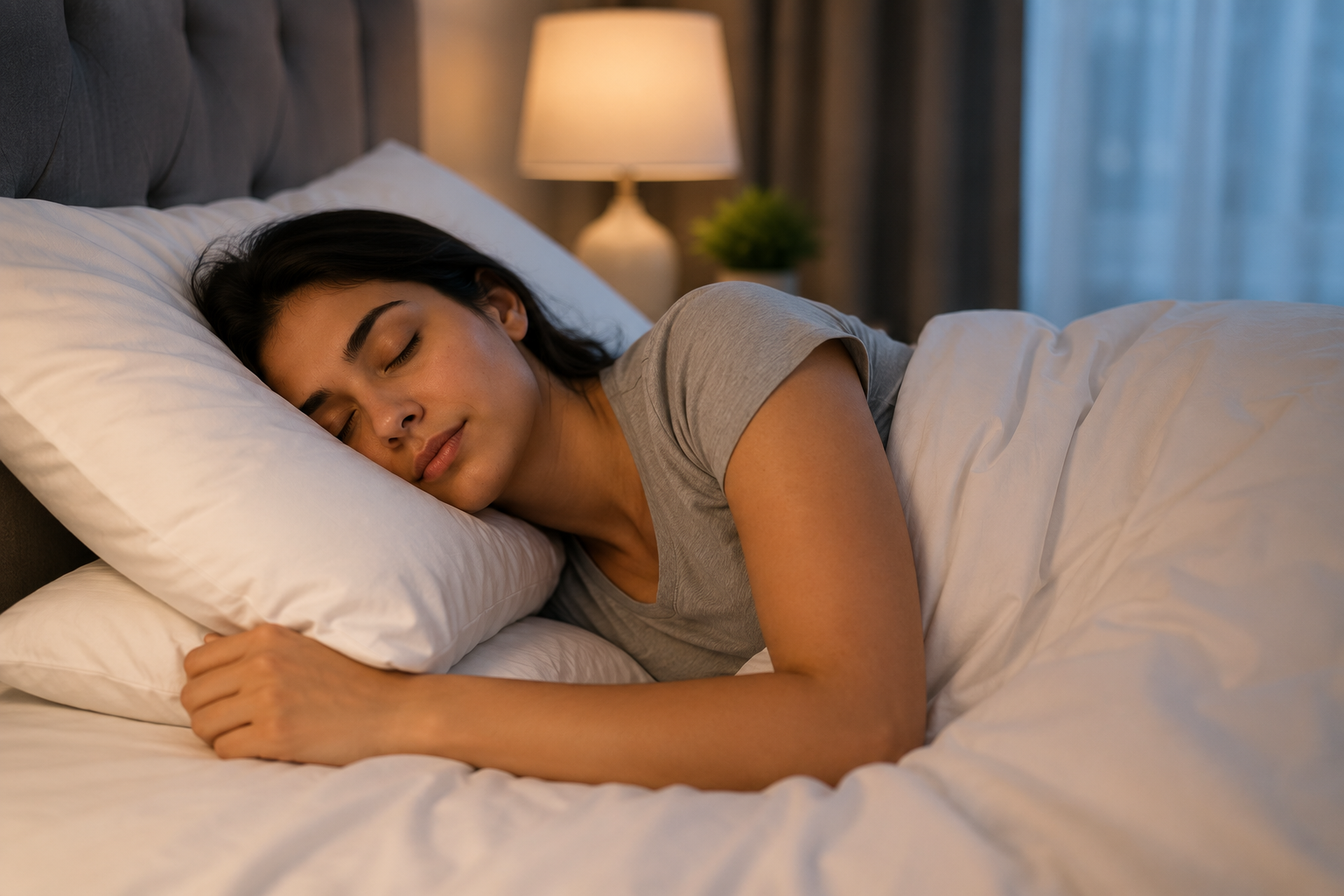
AI Generated image
Somewhere on the internet, you must have read that using a pillow is bad for your neck. It acknowledges that some physiotherapy studies have questioned whether pillows are always beneficial, which has led many people to think they should sleep without one.
Humans have been using pillows for nearly 9,000 years, since ancient civilizations such as Mesopotamia. If using pillows were truly harmful, people would have stopped using them thousands of years ago. Instead, pillows continued to exist because they served an important purpose.
At first, pillows were not used for comfort. There are three reasons why ancient people used pillows. First, ancient pillows were made of wood and stone to keep insects and bugs away from their ears while sleeping, especially in warm climates.
Second, pillows were considered a symbol of wealth and social status, as only wealthy people could afford specially made headrests. Lastly, in some cultures, it was believed that pillows could protect the soul or the head in the afterlife, which is why they were placed in tombs with the dead.
Much later, pillows came to be considered objects used for comfort and better sleep. Today, people buy pillows to support their head and neck for better sleep. However, whether a pillow actually improves sleep depends on choosing the right height, shape, and material. A pillow is neither considered good nor bad. It completely depends on the type of pillow and how well it supports your body.
Here are some reasons that explain how using a pillow is not bad for your neck, but using the wrong pillow is.
A: Alignment
Alignment is the most important function of using a pillow. It really does matter what position you sleep in and how you place your pillow while sleeping. When sleeping on your side, your ears should be in line with your shoulders, and when sleeping on your back, your head should stay level with your spine. Your pillow should not be too high or too low, because an unnatural position for several nights might cause neck pain and stiffness.
B: Buckwheat
Buckwheat pillows are filled with natural buckwheat hulls. They do not flatten during the night and mould around the neck for good support. They are firm and allow air to pass through easily. However, these pillows make a rustling sound when you move. Some people enjoy it, while others find it irritating.
C: Cervical Lordosis
The neck naturally has a gentle forward curve called cervical lordosis. A good pillow should support this curve instead of flattening or bending it too much. Maintaining this natural shape helps prevent long-term neck stiffness and discomfort.
D: Down
Down pillows are soft, luxurious, and commonly found in hotels. However, they tend to collect dust mites, making them unsuitable for people with allergies or asthma. Synthetic or latex pillows are usually a better choice for allergy sufferers.
E: Egypt
Ancient Egyptians did not use soft pillows. Instead, they rested their heads on wooden or stone headrests because they believed the head was sacred and needed protection. This shows that pillows were originally created for protection rather than comfort.
F: Feather
Studies comparing different pillow materials have found that feather pillows perform the worst for people with neck pain. They flatten quickly and fail to provide consistent support throughout the night.
G: Gravity
Gravity affects how your head rests while sleeping. Side sleepers need thicker pillows because there is a larger gap between the mattress and the head. Back sleepers need medium-height pillows, while stomach sleepers need very thin pillows or none at all.
H: Height
Research consistently shows that pillow height is far more important than the brand, material, or price. Choosing the correct height keeps your neck properly aligned and reduces the chances of pain.
I: Insomnia
A pillow cannot cure insomnia because sleep problems are usually caused by stress, screens, caffeine, or disrupted body clocks. However, a comfortable pillow can reduce neck discomfort, removing one possible reason for disturbed sleep.
J: Japan
Traditional Japanese neck rests, called takamakura, were used mainly to preserve hairstyles rather than improve spinal health. This shows that pillows have served many purposes throughout history besides providing comfort.
K: Kapok
Kapok is a lightweight natural fibre that was once widely used in pillows. It is soft, breathable, environmentally friendly, and has become popular again among people looking for natural alternatives to memory foam or feathers.
L: Latex
Latex pillows are one of the best options according to research. They maintain their shape all night and provide steady neck support, helping reduce neck pain better than feather pillows.
M: Memory Foam
Memory foam pillows mould around your head and neck, providing personalized support. However, they often trap heat and may have a chemical smell when new, making them uncomfortable for people who sleep hot.
N: Neck Pain
The article explains that pillows themselves do not cause neck pain. Instead, neck pain usually results from using the wrong pillow for a long time. A pillow with the right height and shape can reduce pain and stiffness.
O: Orthopedic Pillows
Orthopedic pillows are heavily advertised as the best solution for neck pain. However, research shows they are not always better than an ordinary pillow that fits your body correctly.
P: Pregnancy Pillows
Pregnancy pillows are designed to support the belly, knees, and neck at the same time. They help pregnant women maintain a comfortable side-sleeping position, reducing body strain.
Q: Quality of Sleep
A better pillow may reduce pain, but research has not found strong evidence that it improves overall sleep quality. Feeling less pain and sleeping better are related but not exactly the same.
R: Replacement
Pillows should be replaced every one to two years because they lose their shape and collect dust, sweat, and dead skin. An old pillow no longer provides proper support or hygiene.
S: Side Sleeping
Most pillows are designed for side sleepers because they require the most support. A pillow with the wrong height can quickly lead to neck pain in this sleeping position.
T: Temperature
Cooling pillows help keep the head cool, which may make it easier to fall asleep. However, their main benefit is comfort rather than better neck support.
U: Ubiquity
Every culture throughout history has created some type of pillow, whether made from stone, wood, straw, feathers, or foam. This shows that humans have always needed some form of head support during sleep.
V: Vertebrae
The neck contains seven vertebrae that need proper support while sleeping. A good pillow prevents these bones from staying in uncomfortable positions for long periods.
W: Wedge Pillows
Wedge pillows raise the upper body instead of just the head. They are especially useful for people with acid reflux, snoring, or blocked sinuses because the elevated position reduces symptoms.
X: X-ray Studies
Scientists have used X-rays to study how different pillows affect the neck. These studies confirm that pillow height has a greater effect on spinal alignment than the pillow’s material.
Y: Youth
Doctors do not recommend pillows for babies because they increase the risk of suffocation. Babies naturally do not need extra head support.
Z: Zzz
A pillow can help reduce neck pain and make you more comfortable, but it cannot guarantee a good night’s sleep. Good sleep also depends on factors like stress, lifestyle, and your sleeping environment. Choose the right pillow for proper support, then let it do its job.
Conclusion
The overall message is simple: pillows are not bad for your neck. The real issue is using the wrong pillow—one that is too high, too low, too old, or unsuitable for your sleeping position. Choosing the right pillow height and replacing it regularly can help maintain proper spinal alignment, reduce neck pain, and improve sleeping comfort.
Subscribe Deshwale on YouTube
