



The recent imposition of a $100,000 fee on new H-1B visa applications by the U.S. government has sent shockwaves through India’s IT sector, challenging the traditional business model that has long relied on sending skilled professionals to the United States. This policy shift impacts the operational strategies of Indian IT firms and raises broader questions about the future of global talent mobility.
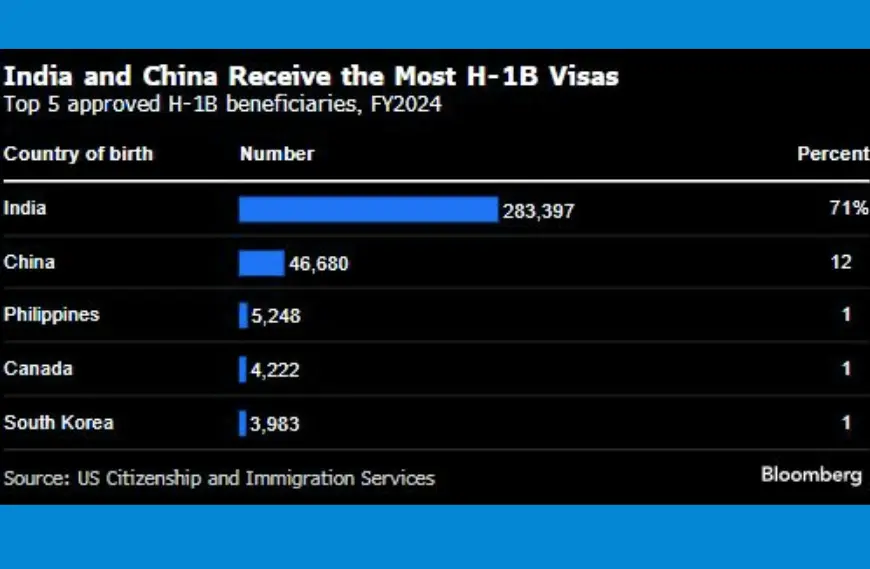
For decades, India’s IT industry has thrived on a model that involves sending professionals to the U.S. to work on client projects. This approach allowed companies to leverage cost-effective labor while meeting the demands of American clients. The H-1B visa program has been central to this model, with Indian nationals constituting over 70% of H-1B visa holders. It has enabled firms like TCS, Infosys, and Wipro to maintain a strong presence in the U.S., fulfilling client needs efficiently and profitably.
The newly imposed $100,000 fee, effective from September 21, 2025, applies only to new H-1B applications, not existing visa holders or renewals. While the fee targets only new applicants, its implications are significant. For Indian IT companies, this represents a major increase in operational costs, forcing them to rethink staffing strategies for client projects in the U.S. The fee could also affect the competitiveness of Indian firms, especially smaller companies that rely heavily on sending professionals abroad.
In response, many companies are exploring alternative strategies. Expanding local hiring in the U.S. is one approach to reduce dependency on H-1B visas. Another is offshoring more operations to countries with favorable visa policies and lower costs. Additionally, firms are increasingly investing in automation and AI to streamline processes and reduce the need for on-site personnel. These measures aim to maintain efficiency and client satisfaction while adapting to the new regulatory environment.
The $100,000 H-1B fee marks a turning point for India’s IT industry. Companies now face the challenge of balancing cost, compliance, and operational effectiveness while continuing to serve global clients. The industry’s ability to adapt to these changes through strategic planning, technology integration, and workforce adjustments will shape the future trajectory of Indian IT in the international market.
