



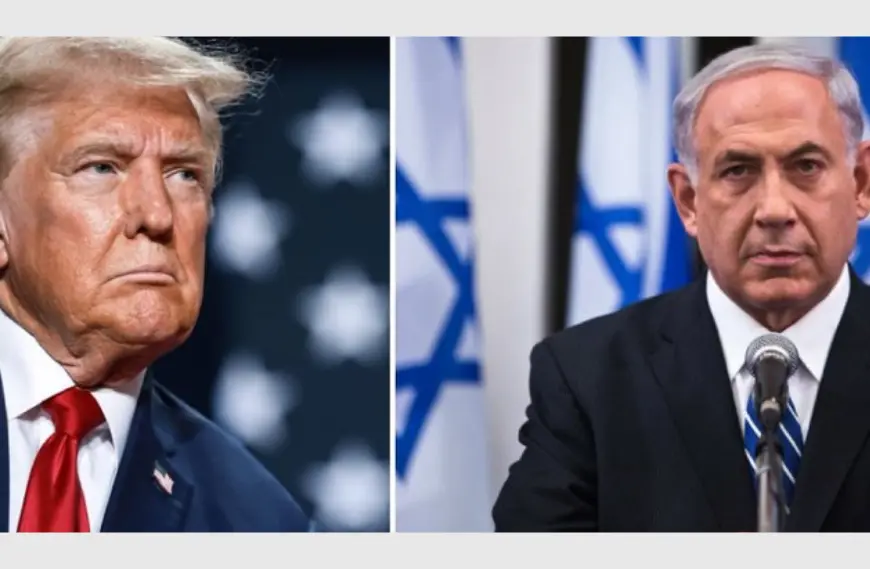
As the conflict in Gaza continues, Israeli Prime Minister Benjamin Netanyahu met with U.S. President Donald Trump in an effort to negotiate a ceasefire. While the talks aim to bring peace, many are questioning whether these discussions are a genuine step toward ending the violence or a strategic move to manage growing international pressure.
The U.S. has proposed a 21-point plan to address the conflict. This plan includes an immediate ceasefire, the release of Israeli hostages, disarmament of Hamas, and a phased Israeli military withdrawal from Gaza. While Israel has shown openness to these terms, Hamas has not yet received a formal proposal and remains cautious about any agreement.
Prime Minister Netanyahu has emphasized Israel’s focus on dismantling Hamas, the group responsible for the October 2023 attack that triggered the war. He has also expressed willingness to allow Hamas operatives to leave Gaza in exchange for an end to hostilities and the release of hostages. Despite these statements, Israeli military actions, including airstrikes and ground offensives, continue in Gaza, raising concerns about the sincerity of ceasefire efforts.
President Trump has expressed optimism, stating there is a “real chance for greatness” in the Middle East and expressing confidence that a peace deal is possible. However, the ongoing violence complicates the path to an immediate resolution. At the same time, international pressure on Israel is intensifying as the humanitarian situation worsens. Over 66,000 Palestinians have reportedly died, and there is widespread destruction in Gaza, with urgent calls for a ceasefire from governments and organizations worldwide.
While the proposed ceasefire plan outlines potential steps toward peace, the continuation of military operations and the absence of formal agreements raise questions about Israel and Hamas’s commitment to a lasting resolution. The international community is watching closely, hoping that these high-level talks will translate into meaningful action and bring relief to the civilians affected by the conflict
