



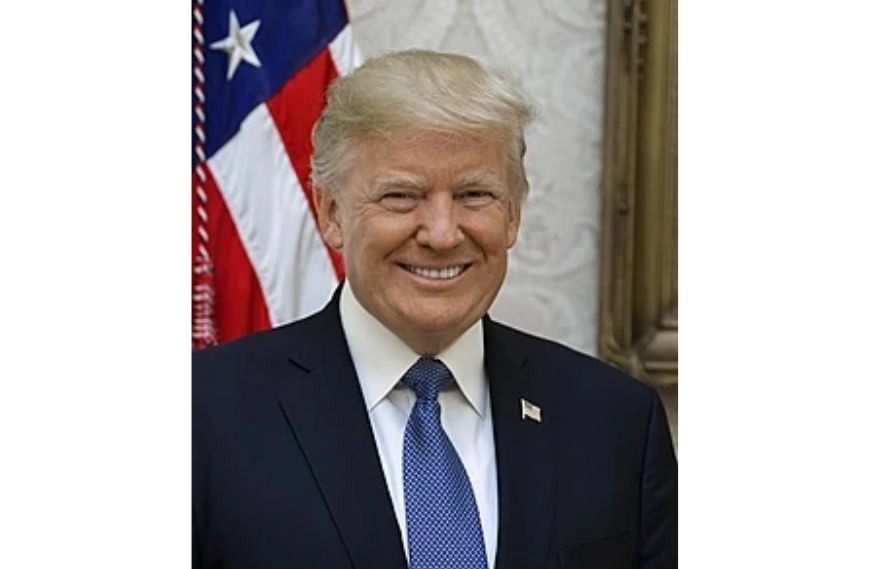
After a record-breaking 43 days, the U.S. government shutdown has officially ended. President Donald Trump signed the federal funding bill into law, allowing government operations to resume and federal employees to return to work. This marks the longest government shutdown in U.S. history, surpassing all previous interruptions and leaving a lasting impact on millions of Americans.
The shutdown began due to a budget impasse between the White House and Congress, fueled by disputes over border security funding, spending priorities, and other political disagreements. As a result, many federal employees were furloughed or forced to work without pay, while essential government services faced major delays. Agencies such as the Internal Revenue Service, the Department of Transportation, national parks, and federal courts experienced disruptions, affecting both public services and national operations.
The funding bill signed by the President ensures that all federal employees will receive back pay for the duration of the shutdown. Government agencies can now operate normally, and programs that were paused can resume activities. However, the bill provides funding only until January 30, 2026, leaving broader fiscal and political challenges unresolved. Analysts warn that without long-term budget agreements, future shutdowns remain a possibility.
During the 43 days, millions of Americans felt the effects of the shutdown. Social programs, visa processing, tax filings, and federal research activities were delayed. Private businesses dependent on government contracts also faced uncertainty. For federal employees and contractors, the shutdown meant financial stress and insecurity, while citizens relying on government services faced inconveniences and delays.
Experts note that this shutdown is historically significant. It highlights the fragility of U.S. federal funding processes and the importance of timely budget approvals. The event serves as a precedent, showing the consequences of political deadlock and the impact of prolonged disagreements between branches of government. It also emphasizes the need for bipartisan cooperation to prevent similar crises in the future.
As the government reopens, agencies face the challenge of catching up on delayed work and restoring public confidence. While employees and citizens welcome the return of normal operations, the shutdown remains a reminder of how political conflicts can disrupt everyday life. For now, the nation can breathe easier as federal services resume and government employees finally receive the pay they were owed.
Subscribe Deshwale on YouTube
