



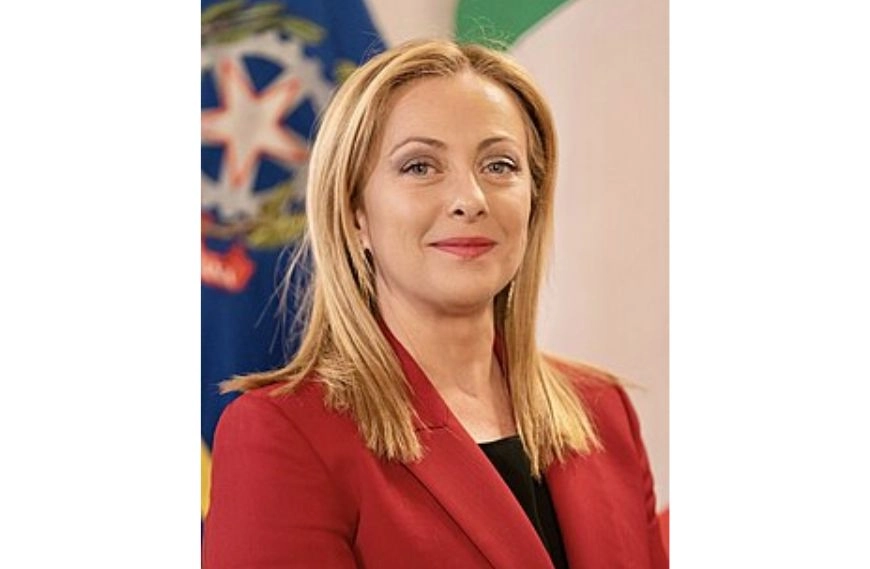
Italy’s Prime Minister Giorgia Meloni has publicly described the United States’ threat to impose tariffs on several European nations over the Greenland dispute as a “mistake”, amid rising tensions within the transatlantic alliance.
Speaking to journalists during an official visit to South Korea, Meloni made clear that she had conveyed her concerns directly to US President Donald Trump. She also held discussions with NATO’s secretary‑general about the issue, underscoring the need for diplomatic engagement rather than punitive economic measures.
Meloni’s remarks came after the Trump administration announced plans to levy tariffs on imports from Denmark, Norway, Sweden, France, Germany, the United Kingdom, the Netherlands and Finland, as part of pressure related to Washington’s interest in Greenland. The proposed tariffs would begin at 10 per cent from February and rise to 25 per cent in June unless a negotiated agreement is reached.
“Imposing new sanctions today would be a mistake,” Meloni said, signalling her belief that the United States and its European partners may have misinterpreted each other’s actions. She added that some European contributions to Greenland’s security should not be viewed as antagonistic towards the United States and that greater clarity in communication was needed.
Greenland, the world’s largest island, is a self‑governing territory under the Kingdom of Denmark. While Denmark retains responsibility for defence and foreign affairs, the island’s strategic location in the Arctic has drawn heightened geopolitical interest. The United States maintains a military base on Greenland, a key factor in Washington’s recent statements.
Meloni framed her comments in the context of shared security interests, suggesting that NATO should take a central role in managing regional dynamics rather than unilateral economic penalties. She expressed optimism that ongoing dialogue among NATO members could help mitigate misunderstandings.
The Italian leader’s stance is notable given her generally close ties with the US administration on other policy fronts. Her call for restraint reflects broader European unease about the impact of the tariff threat on transatlantic relations and economic stability.
European leaders have largely condemned the tariff proposal, describing it as coercive. In parallel, diplomatic efforts are increasing to prevent escalation and preserve cooperation between the United States and its European partners.
Subscribe Deshwale on YouTube
