










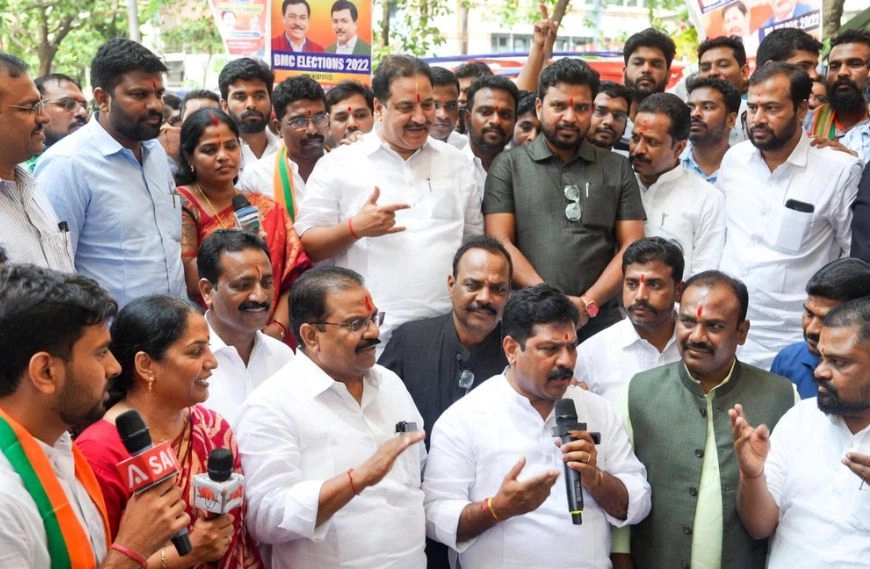
Mumbai’s upcoming Brihanmumbai Municipal Corporation (BMC) elections have sparked an intense discussion about the role of family ties in politics. As political parties finalise their candidate lists, a noticeable trend has emerged: many tickets are being given to relatives of politicians. This “family‑first” approach has drawn both criticism and defence, raising questions about whether it undermines democratic fairness or is a practical electoral strategy.
At least 43 sitting leaders in Mumbai have secured election tickets for their family members, including spouses, children, siblings, and cousins. This pattern spans several political parties and reflects a broader shift in how local candidates are chosen ahead of the January 15 polls. Critics argue this trend resembles nepotism, favouring insiders over grassroots activists who may have dedicated years of service but are overlooked.
Opponents of this approach say it weakens the democratic fabric at the ward level. In civic elections, the role of a corporator is meant to be the closest link between residents and governance. When party tickets go predominantly to family members of leaders, everyday party workers believe it sidelines their efforts and diminishes opportunities for new voices to emerge. Many local activists have expressed frustration, saying that longstanding party members are being ignored in favour of political descendants.
On the other hand, political observers and some party leaders describe the “family‑first” trend as a strategic move rather than pure nepotism. They argue that familiar names with established recognition among voters often have a built‑in advantage during elections. In some cases, parties believe these candidates can maintain continuity of representation and draw on established voter bases built by their relatives over years of public service.
The trend has also placed party commitments under scrutiny. Some parties publicly stated ahead of the polls that they would avoid fielding direct relatives of politicians to promote merit and internal democracy. However, the actual candidate lists indicate some reversal of that stance, leading to accusations of inconsistency and political expediency.
Supporters of family nominees argue that these individuals are not simply “parachute” candidates. They often cite cases where relatives have been involved in public engagement for years, building local recognition and familiarity with civic issues. These defenders claim that the local electorate may prefer candidates they recognise and trust, even if they share a surname with a current leader.
The debate over nepotism versus strategy illustrates a deeper question about political renewal and meritocracy in Mumbai’s civic politics. For civil society groups and election reform advocates, the growing dominance of family names in candidate lists has become a call to emphasise transparent, inclusive processes. Meanwhile, party strategists focus on electoral calculations that they believe maximise chances of winning in a fragmented and competitive field.
As Mumbai prepares to vote, this tension between legacy and opportunity continues to shape how parties present their candidates and how voters interpret the choices before them.
Subscribe Deshwale on YouTube


