










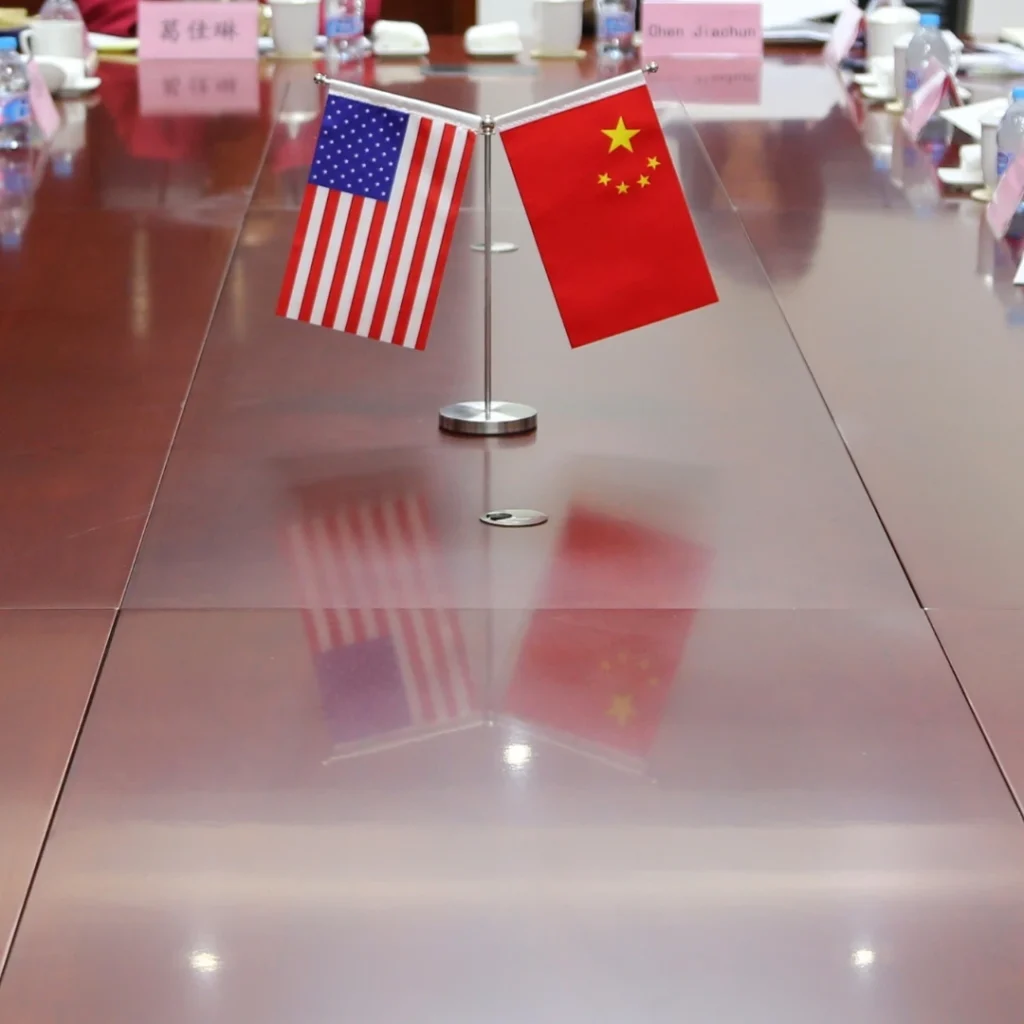
China has given a swift response to the United States’ recent tariff impositions. How? By announcing on Tuesday that it will levy additional tariffs on select American imports. Moreover, it has launched an antitrust investigation into tech giant Google.
Effective February 10, China will impose a 15% tariff on U.S. coal and liquefied natural gas (LNG). Also, a 10% tariff on crude oil, agricultural machinery, large-displacement vehicles, and pickup trucks is also on the cards. This decision, announced by the Customs Tariff Commission of the State Council, is a direct countermeasure to the U.S. government’s recent 10% tariff increase on all Chinese goods.
The U.S. tariffs, which took effect on February 4, were justified by the White House citing concerns over issues such as fentanyl. China has contested these tariffs, asserting that they violate World Trade Organization (WTO) rules and constitute unilateral trade protectionism. In response, China has filed a case with the WTO dispute settlement mechanism to defend its interests.

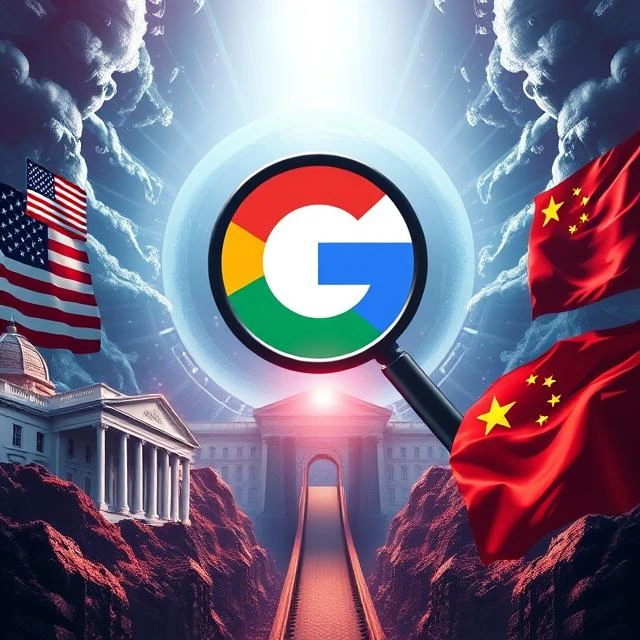
In addition to the tariff measures, China has initiated an antitrust investigation into Alphabet Inc.’s Google. The probe centers on allegations that Google has leveraged its dominant position in the Android operating system to suppress competition, potentially causing significant harm to Chinese companies like Huawei. The investigation could lead to substantial fines and operational restrictions for Google within China.
These developments mark a significant escalation in trade tensions between the world’s two largest economies. The U.S. has previously taken actions against Chinese tech companies, including placing Huawei on a trade blacklist and imposing tariffs on Chinese solar products. China’s latest moves indicate a firm stance against what it perceives as unfair trade practices by the U.S.
Market analysts express concern that this tit-for-tat escalation could lead to a broader trade conflict, potentially disrupting global supply chains and affecting international markets. Both nations have significant economic leverage, and prolonged tensions may have far-reaching implications for global trade and economic stability.
As the situation develops, businesses and investors worldwide are closely monitoring the actions of both governments. The international community is hopeful that upcoming discussions between U.S. President Donald Trump and Chinese President Xi Jinping will lead to a de-escalation of tensions and a mutually beneficial resolution to the ongoing trade disputes.


