











By: Ragini Chaubey
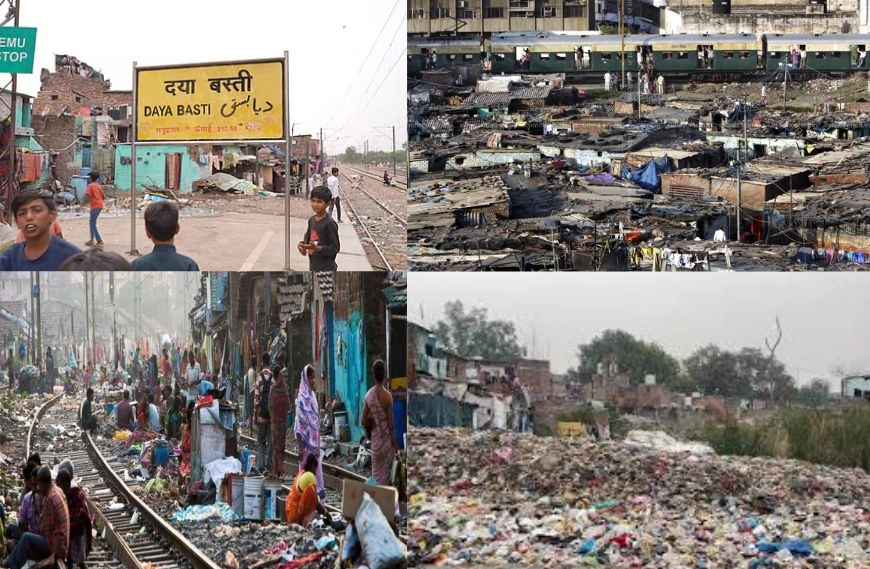
Daya Basti, a densely packed neighbourhood in West Delhi near Sarai Rohilla, really shows what life looks like when urban neglect becomes routine. Narrow lanes lined with jhuggis and makeshift homes create a maze that few outsiders can imagine. Here, electricity comes and goes unpredictably, water supply is irregular, and sanitation is almost always a problem. Every day is a test of endurance for families trying to make ends meet.
Residents often tell the same story: every election, politicians promise better roads, reliable electricity, and clean water. But as soon as the votes are counted, the promises vanish. You might be surprised, but for the people of Daya Basti, hope and disappointment have become almost like old companions. Poverty and lack of opportunity mean relief rarely comes quickly.
Even spaces meant for children reflect the harsh reality. A small park was built for them to play, but it is littered with garbage. And guess what? Kids still play there, dodging the trash, showing resilience in the face of neglect and reminding everyone how urgent proper infrastructure is.
Daya Basti grew slowly over decades, mostly on land beside railway tracks. The small Dayabasti Railway Station (DBSI) and the Dayabasti Flyover connect it to Delhi’s wider transport network. This helps residents commute, but it also brings risks, especially during lockdowns or emergencies. Traditionally, low-income families, daily wage workers, and students looking for affordable housing have made this neighbourhood their home.
The settlement reflects the challenges of unplanned urbanisation in Delhi. Education is limited, healthcare is insufficient, and overcrowding is common. Yet, the community keeps going. Stories of children getting help from railway authorities or local organisations show how people adapt and support each other despite hardships.
While Daya Basti hasn’t had any major new projects recently, it benefits indirectly from the city’s infrastructure improvements. The Delhi Metro Phase V corridors, redevelopment of New Delhi Railway Station, and DDA housing projects are slowly enhancing transport and access to services. For Daya Basti residents, this means easier commutes, better chances at education, and improved job opportunities even if their local streets still need work.
Life here is far from easy. Streets are crowded, utilities are unreliable, and sanitation remains poor. Yet the community continues to endure. Children play amid difficult conditions, families work tirelessly to meet basic needs, and a quiet resilience runs through daily life.
Daya Basti is more than a slum, it is a story of human perseverance. Its residents remind us that urban growth must include everyone, not just the well-off. Bringing attention to their struggles through reporting helps make sure their voices are heard in conversations about Delhi’s development.
Subscribe Deshwale on YouTube


