










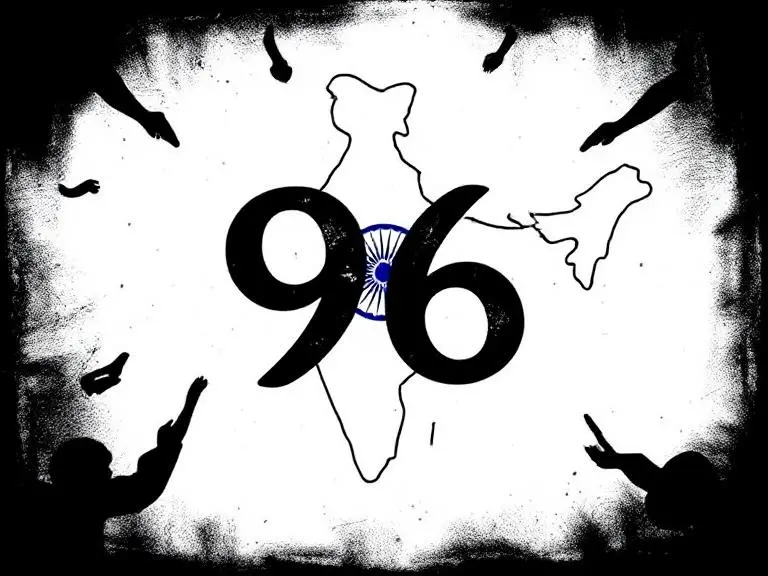
The latest Corruption Perceptions Index (CPI) 2024 from Transparency International has placed India at the 96th position out of 180 countries. The CPI, which rates nations on a scale from 0 (highly corrupt) to 100 (very clean), continues to underscore persistent challenges in public sector transparency and accountability.
India’s mid-range ranking suggests that while there have been improvements in certain areas, significant issues remain. These include bureaucratic inefficiencies, opaque decision-making, and a culture of impunity that erodes public trust. The report calls for renewed efforts to reform and strengthen governance practices across the country.
Globally, the landscape is varied. A recent photo feature by CNBC TV18 showcased the world’s ten most corrupt countries, while other reports have drawn comparisons between nations such as Pakistan and China. Although India does not rank among the worst performers, its position indicates a need for accelerated reform to match public expectations and international standards.
The CPI is not a definitive measure of corruption but serves as a useful benchmark for assessing perceptions of public sector integrity. For India, the current score reflects a combination of gradual improvements and enduring challenges. Experts emphasise that the score should act as a catalyst for further action, prompting policymakers to implement systemic changes.
Political and economic analysts advocate for comprehensive reforms that include strengthening anti-corruption institutions, enhancing transparency in government processes, and enforcing stricter accountability measures for public officials. There is also a growing call for increased citizen participation in oversight, aiming to bridge the gap between government practices and public expectations.
The economic implications of corruption are profound. A corrupt environment can deter foreign investment, exacerbate income inequality, and impede the effective delivery of public services. As India continues to pursue economic growth and social development, addressing corruption remains a key priority for ensuring a sustainable future.


