








The train screeches past Diva station, its metal heart pounding through Mumbai’s veins. Commuters cling to its edges, their lives balanced on a narrow, dangerous footboard. On Monday, 9 June, this promise shattered. Four passengers died, nine were injured, and a nation paused to mourn. The mishap near Diva-Mumbra wasn’t just a tragedy; it was a mirror reflecting India’s urban soul, fractured by ambition, neglect, and the weight of too many dreams packed into too few coaches. More than 51,000 people died, but for families, each one was their entire world. on Mumbai’s local trains in 20 years. It’s about why we keep running toward the same cliff, expecting the tracks to save us.
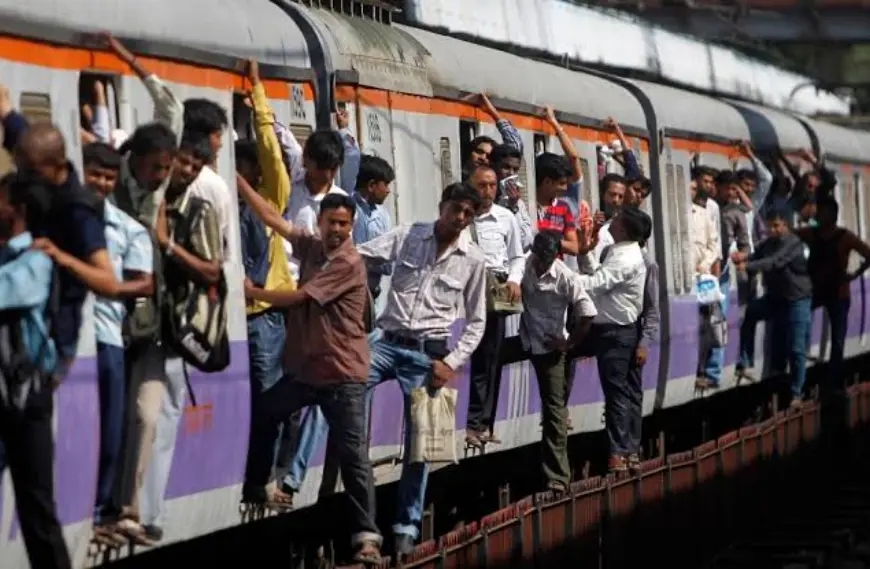
Mumbai’s local trains are more than transport. They’re the city’s pulse, ferrying 75 lakh passengers daily. From Ulhasnagar’s dawn risers to CSMT’s office-bound dreamers, these trains carry India’s aspirations. But the Diva-Mumbra stretch, with its sharp curve and overcrowded coaches, is a death trap. Passengers hang from doorways, their bags brushing against those on opposing trains. On that Monday morning, a sudden jerk or a tangled backpack sent lives tumbling onto the tracks. Eyewitnesses spoke of blood and broken watches, symbols of time stolen too soon. Ketan Saroj, 23, and Vicky Mukhedal, a 34-year-old railway policeman, were among the fallen. Their stories echo in the hearts of every commuter who’s ever gripped a train’s handle, praying for home.
Why does this keep happening? Overcrowding is the easy answer, but it’s a lazy one. Mumbai’s population has outpaced its railway’s capacity. Thane’s suburbs, including Diva and Mumbra, have ballooned, yet train services haven’t kept up. Central Railway runs 1,810 suburban services daily, but it’s not enough. Commuters from Titwala or Vasind board already-packed trains, forced to dangle precariously. The Diva-Kalwa route is notorious, dubbed a “death track” by the Mumbai Rail Pravasi Sangh. Despite warnings, solutions stall. Automatic door-closing systems, promised post-mishap, feel like a bandage on a broken limb. They’re years away, and commuters can’t wait.
Dig deeper, and the issue isn’t just trains. It’s India’s urban dream gone awry. Mumbai is a magnet, pulling millions with promises of jobs and futures. But its infrastructure groans under the weight. The city’s railway system, built by the British, wasn’t designed for this chaos. Upgrades like foot overbridges and escalators help, but they don’t address the core: too many people, too few trains. The government’s ₹1,777 crore for Mumbai’s railway projects is a start, but it’s dwarfed by the need. Meanwhile, express trains like Vande Bharat get priority, leaving local commuters to fend for themselves. As Congress leader Vijay Wadettiwar asked, “Who travels on these trains? The poor are left behind.”
This mishap also exposes a cultural paradox. Mumbai’s “spirit” is romanticised, but it’s a euphemism for survival. Commuters like Deepak Walve, who witnessed the tragedy, call it routine. Hanging off a train isn’t bravery; it’s necessity. Social media echoed this on X, with users like @rais_shk decrying the government’s failure. Calling it the ‘Mumbai spirit’ hides the truth, people are dying just to earn a living., glorifying resilience while ignoring the cost. Seven to eight people die daily on these tracks. That’s not spirit; it’s sacrifice.
The human cost is staggering. Families in Ulhasnagar and Mumbra mourn, their loved ones reduced to headlines. Shiva Gawli, 23, fights for life in Jupiter Hospital, his brain surgery a desperate bid for hope. Relatives at Kalwa’s Chhatrapati Shivaji Maharaj Hospital complain of poor communication, their grief compounded by bureaucracy. These aren’t just victims; they’re India’s backbone—students, workers, policemen—who board trains daily, trusting the system to hold. When it fails, it’s not just a mishap; it’s a betrayal.
What’s the deeper issue? It’s a question of value. India’s urban poor, the daily-wage earners and small-town migrants, are invisible in policy. Railway budgets prioritise high-profile projects, but commuter safety lags. The Diva-Mumbra curve, an accident-prone zone, has long needed attention. Extra Railway Protection Force officers patrol, but they can’t stop collisions between footboard passengers. Subodh Jain, a former Central Railway GM, blames bulky backpacks and crowd pressure, but that’s a symptom, not the cause. The real issue is capacity. Tracks spaced 4.5 metres apart leave little room for error when trains sway. Without more coaches or frequent services, the risk persists.
There’s also a psychological toll. Every train ride comes with fear. But people have no choice, they ride, pray, and hope. A tunnel near Kalwa, where trains pass inches from walls, heightens the dread. Yet, they board, driven by necessity. This normalisation of danger is India’s urban tragedy. Protests, like Diva’s rail roko stirs, demand change, but authorities deflect. The Railway Board’s affidavit to the Bombay High Court admitted 86 waterlogging-prone spots and rampant trespassing, yet solutions are mired in red tape. Land acquisition and environmental clearances delay progress, while lives hang in the balance.
Could technology help? Automatic door systems are a step, but they’re not foolproof. Japan’s trains, with advanced crowd management, offer a model, but India’s scale is unique. Staggered office timings, proposed by Central Railway, could ease peak-hour rushes, but employers resist. Encroachments near tracks, like those at Mumbra creek, complicate expansion. Every solution seems to hit a wall, leaving commuters to pay the price.
This mishap also raises questions of accountability. Shiv Sena’s Aditya Thackeray called the Railway Minister a “Reel Minister,” more focused on videos than safety. It’s a sharp jab, but it resonates. Political leaders offer condolences—CM Devendra Fadnavis pledged ₹5 lakh for victims’ families—but words don’t fix tracks. The Mumbai Railway Passengers Association demands an independent local railway authority, free from Delhi’s interference. It’s a bold idea, but will it gain traction?
The Diva-Mumbra tragedy isn’t an isolated event; it’s a warning. India’s cities are bursting, their dreams outstripping their seams. Mumbai’s trains are a microcosm of this struggle, where ambition meets reality. Every commuter who boards a local train carries a piece of India’s future. When they fall, the nation stumbles. The solution isn’t just more trains or better doors. It’s about valuing the invisible millions who keep India moving. It’s about building cities that don’t demand sacrifice as the price of progress.
As the sun sets over Mumbra, another train roars by. Commuters cling to its edges, their faces etched with resolve. They know the risks, yet they ride. This resilience is India’s strength, but it’s also its tragedy. The tracks stretch on, curving into the unknown. Will we mend them before the next fall? Or will we keep calling it the spirit of Mumbai, while the city’s heart breaks, one passenger at a time?
Also Read: Shubhanshu Shukla: India’s Starlit Dreamer in Orbit


