











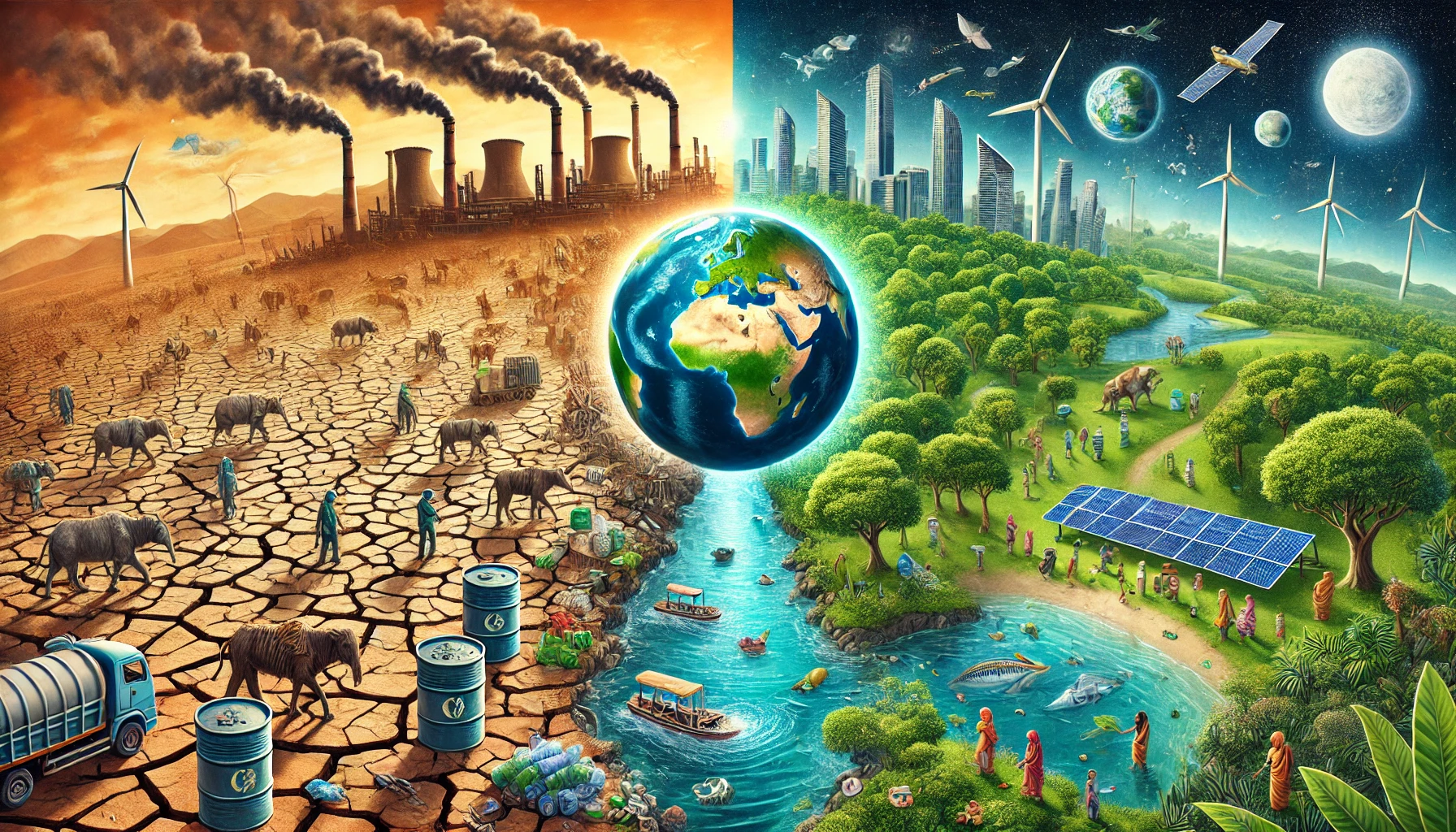
A Day That Should Last All Year
Every year, 22nd April is observed as Earth Day—a global reminder of the environmental crisis we are living through. But more than a celebration, Earth Day is now a call to action. From rising temperatures to water scarcity, from disappearing forests to mountains of plastic waste—our planet is sounding the alarm. And India, home to 1.4 billion people, stands at the crossroads of this environmental challenge.
What Is Earth Day? A Quick Recap
Earth Day began in 1970 in the United States, when 20 million people marched against environmental destruction. Today, it is recognised in more than 190 countries, including India. Each year carries a theme—2025’s theme is likely to continue the urgent focus on climate action and ecosystem restoration.
Climate Change: Not a Distant Threat, but a Daily Reality
India has witnessed an increase in climate-induced disasters over the past decade. According to the IMD, 2023 was among the five hottest years in Indian history. Unseasonal rains, extreme heatwaves, and flash floods have become routine. In 2022 alone, over 2,000 Indians lost their lives due to heat-related illnesses.
Globally, the last eight years have been the warmest ever recorded. The IPCC has warned that we are already at 1.2°C of warming—and heading straight toward the dangerous 1.5°C threshold if action isn’t taken now.
India’s Shrinking Green Cover: The Silent Emergency
Between 2001 and 2021, India lost nearly 1.93 million hectares of forest cover. That’s an area larger than the entire state of Tripura. Illegal logging, urbanisation, mining, and infrastructure projects have been major contributors. Although government-led campaigns like “Van Mahotsav” and private plantation drives are helping, the rate of deforestation continues to outpace reforestation.
Each tree we lose also means less carbon absorption. A single mature tree can absorb up to 22 kg of CO₂ per year—a small but critical natural defence.
Water Crisis: Only 0.5% of Earth’s Water Is Usable
India is facing a severe groundwater depletion problem. Nearly 600 million Indians face high to extreme water stress, according to NITI Aayog. Cities like Bengaluru, Chennai, and Delhi have experienced “Day Zero” warnings—where taps are expected to run dry.
The irony? 70% of the Earth’s surface is water, but only 0.5% is usable. Pollution, overuse, and climate change have reduced both the quality and quantity of our water sources.
Plastic Waste: A Modern Curse
India generates over 14 million tonnes of plastic each year. A major portion of this ends up in rivers, oceans, and eventually inside marine animals—and us. Plastic doesn’t biodegrade; it breaks into microplastics that enter our food chain, potentially harming human health.
Despite bans on single-use plastic in several states, enforcement is weak. The need of the hour is behavioural change—both at an individual and policy level.
Biodiversity in Peril: A Warning Sign for Humanity
More than 1 million species across the globe are now at risk of extinction due to human activity. India, despite being a biodiversity hotspot, is losing species at an alarming rate. From the Great Indian Bustard to the Gangetic Dolphin, our national treasures are in danger.
And it’s not just animals. The decline of bees and butterflies means less pollination and lower crop yields—a direct hit to food security.
What can we do? practical steps for Indian
Plant trees — even one sapling a year makes a difference.
Cut plastic use — carry your own bag, bottle, and avoid disposables.
Save electricity — switch to LED, unplug unused appliances.
Harvest rainwater — especially in urban areas.
Cycle or walk for short distances.
Support local environmental campaigns and sustainable brands.
The Indian Way: ancient wisdom for modern crisis
India’s ancient traditions revolved around reverence for nature. The concept of “Prakriti Puja” or worshipping elements of nature—rivers, trees, animals—is rooted in our culture. Vedic texts highlight the symbiotic relationship between humans and the Earth. Perhaps it’s time to revive that wisdom—not just in rituals but in real life.
Earth Day is every day
Earth Day is not just a checkbox on the calendar. It is a mirror to our choices. The world can still heal—but only if every nation, every city, and every citizen acts now. For India, the challenge is enormous—but so is our potential. Let’s not wait for tomorrow. The planet can’t.


