










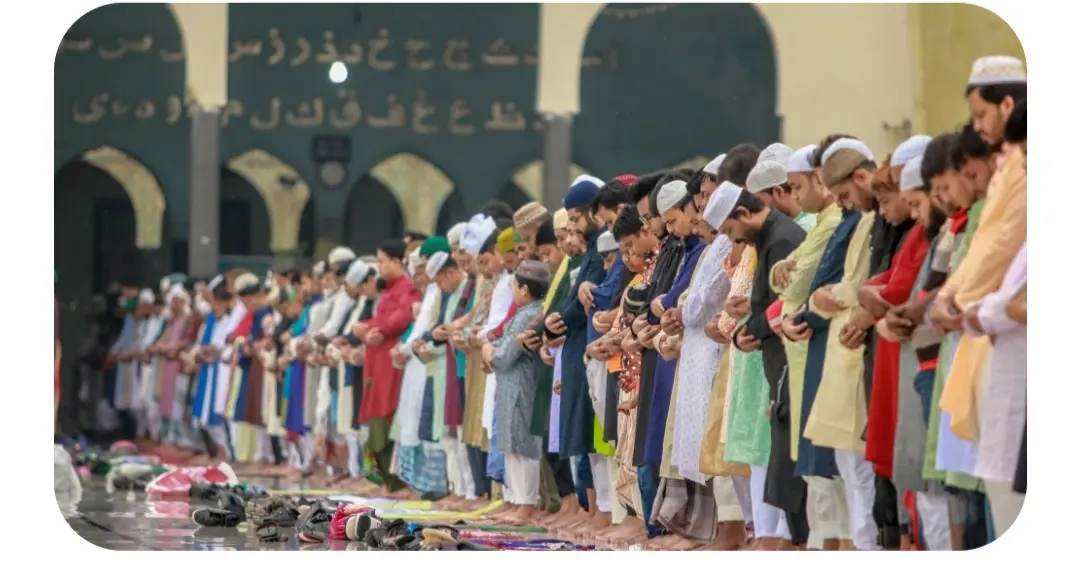
Ramadan is coming to an end, and Eid is just around the corner. The streets are bustling with people, shops are crowded, and there is a festive energy in the air. Just as people eagerly wait for Ramadan, they wait for Eid with the same excitement.
Have you ever thought about what Eid really means? Is it just about wearing new clothes, eating delicious food, and hugging friends and family? Or is there something deeper behind this festival?
What is Eid-ul-Fitr and why is it celebrated?
Eid-ul-Fitr is one of the most significant festivals in Islam. It marks the end of Ramadan, a month of fasting, self-discipline, and devotion. The word Fitr means purification or charity, signifying that Eid is not just about joy but also about cleansing our hearts, actions, and lives.
Throughout Ramadan, Muslims fast from dawn to sunset, practicing patience and devotion. Eid teaches that just as we controlled our desires for a month, we should continue to live a life of discipline and kindness beyond Ramadan.

Why does Eid fall on different days in different countries?
Ever wondered why Eid is celebrated on different days in different parts of the world? The answer is simple – the moon.
Islam follows a lunar calendar, just like the Hindu calendar. Since the sighting of the moon varies from country to country, the date of Eid also changes. If the moon is spotted in one place, Eid is celebrated the next day. If not, people wait another day. That’s why countries like Saudi Arabia, India, Pakistan, and Indonesia often celebrate Eid on different days.


What special dishes are prepared on Eid?
Food is an essential part of Eid celebrations. Every country has its own special Eid delicacies.
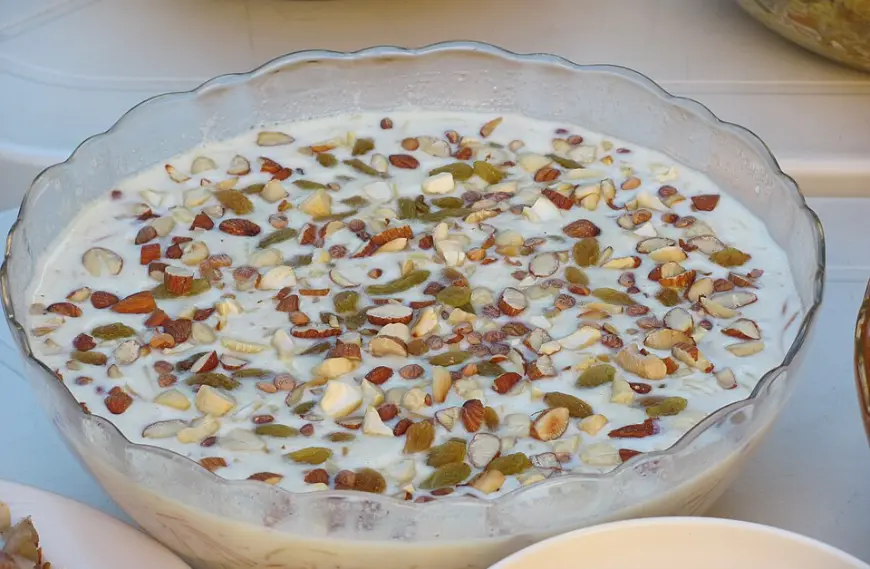
- India and Pakistan: Sheer Khurma (vermicelli dessert), Biryani, Dahi Bhalla.
- Bangladesh: Mutton Curry, Pati Sapta (sweet pancakes).
- Turkey: Baklava, Turkish Delight.
- Middle East: Kabsa (spiced rice dish), Mamool cookies.
- Indonesia: Lontong (rice cake), Rendang (slow-cooked meat).
These dishes make Eid even more special, adding sweetness to the celebrations.

The true importance of Eid
Eid is more than just a festival, it is a lesson in gratitude, kindness, and equality. It reminds us to care for the poor, treat everyone with respect, and thank God for His blessings.
During Ramadan, people experience hunger and thirst, understanding what the less fortunate go through daily. Eid teaches that this realisation should not be temporary – helping the needy should be a lifelong practice.

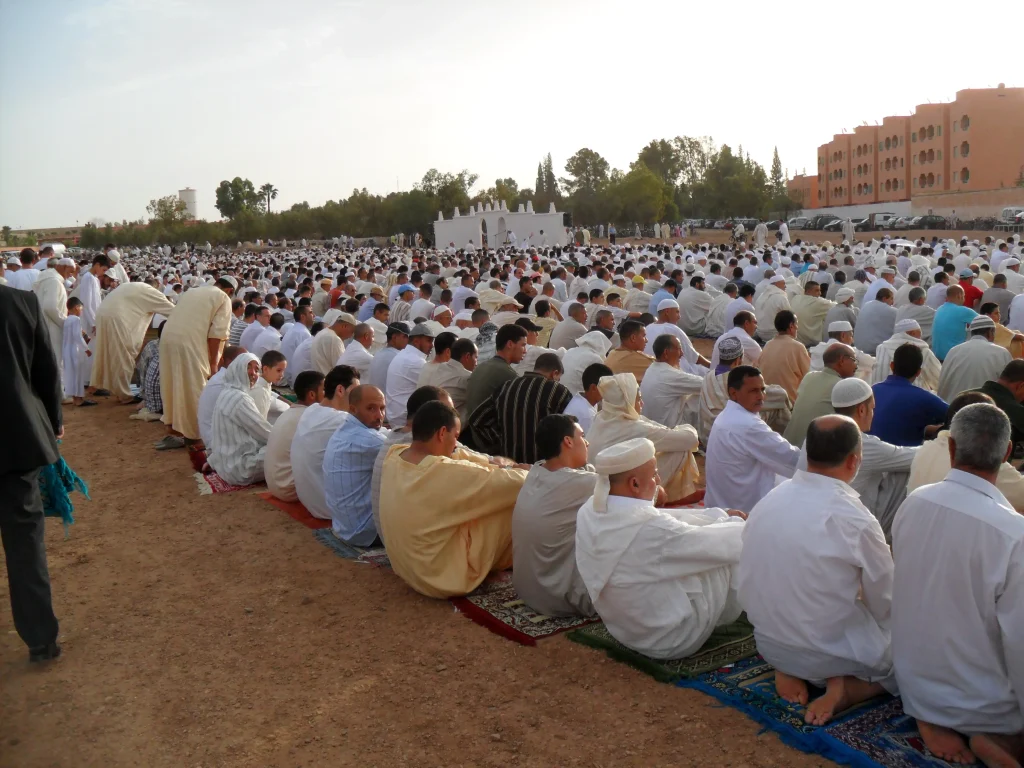
Image Courtesy: Wikipedia
Why is the Eid prayer special?
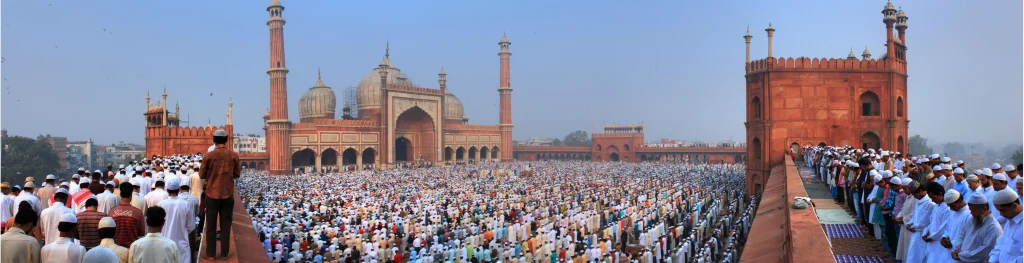
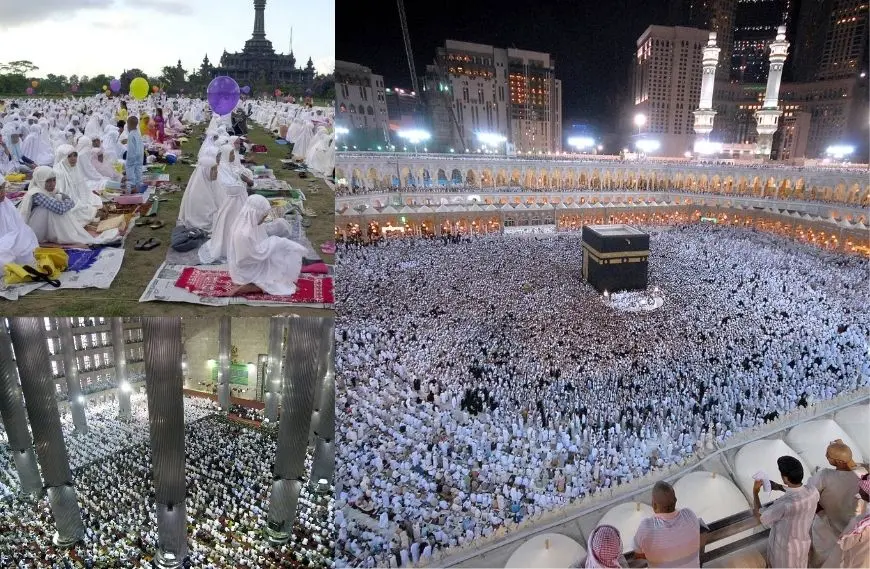
Eid prayer is one of the most significant aspects of the festival. It is a two-unit (raka’ah) prayer, performed in large congregations. Millions of people gather to bow before God, thanking Him for the strength to complete Ramadan.
This prayer is not just about personal joy, it is about praying for peace, prosperity, and blessings for all of humanity. The sight of thousands standing together, side by side, without discrimination, is a powerful reminder of unity and brotherhood.
How is the Eid prayer performed?
The Eid prayer consists of two units (raka’ahs) and includes six extra takbirs (raising hands while saying “Allahu Akbar”).
In the first unit, three takbeers are performed before reciting the Qirat.
In the second unit, three takbeers are done before bowing (ruku).
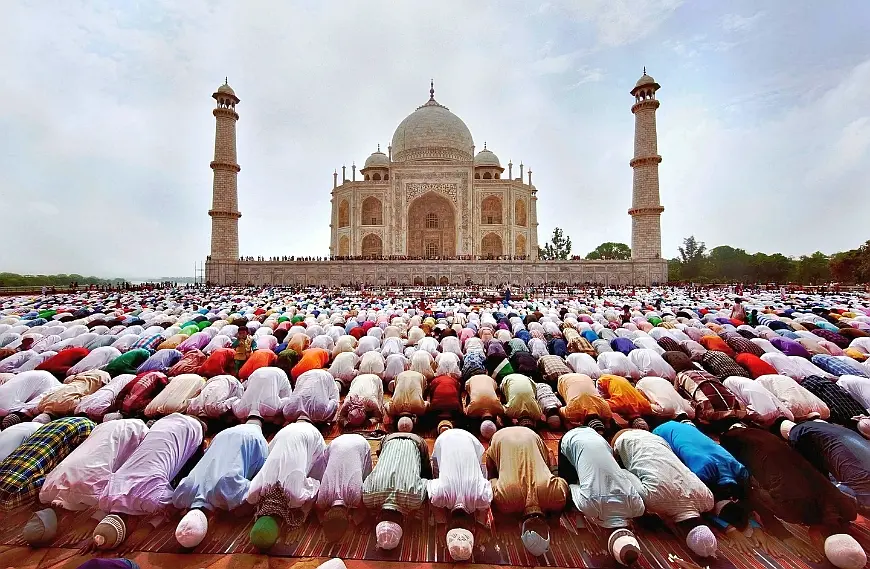
The prayer is followed by a sermon (khutbah) where the Imam talks about the significance of Eid and the importance of unity and charity.
Biggest Eid fairs and markets around the world
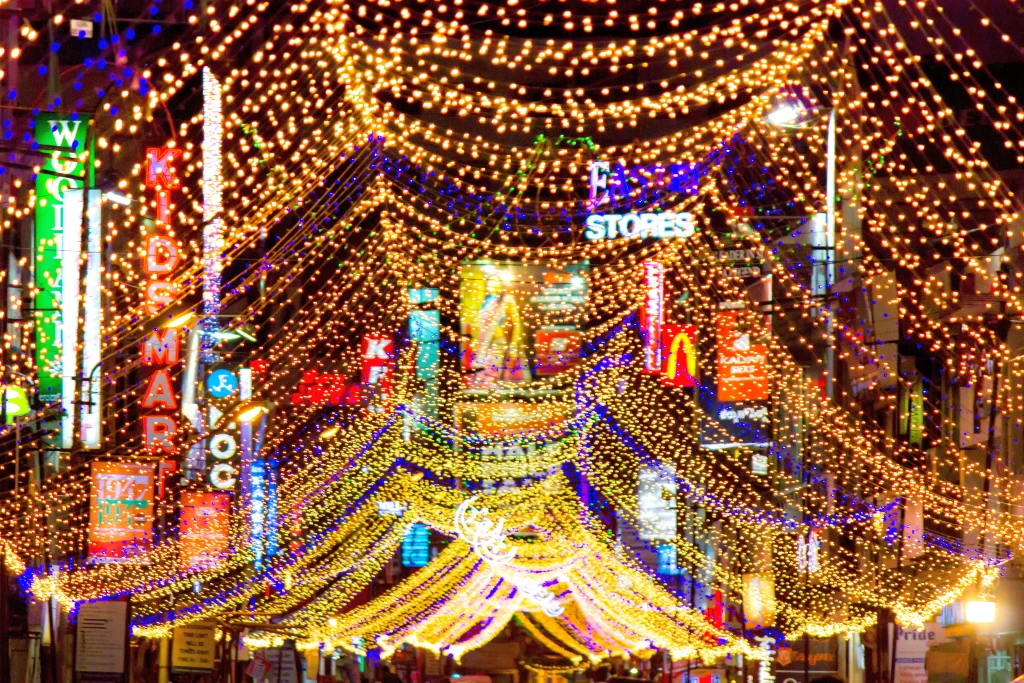
Eid is not just about prayers and food; it is also about celebration. Many places around the world host grand Eid fairs and shopping festivals.
Global Eid bazaars:
- Dubai Mall, UAE: One of the biggest Eid shopping festivals in the world.
- Grand Bazaar, Turkey: A historic market that lights up during Eid.
- Souq Market, Egypt: Famous for Eid shopping in Cairo.
Eid fairs in India:
- Chandni Chowk, Delhi: The markets here are packed during Eid, and a grand fair is held at the Red Fort.
- Charminar Bazaar, Hyderabad: Famous for sweets and festive clothes.
- Mohammed Ali Road, Mumbai: A paradise for Eid food lovers.
- Aminabad, Lucknow: Known for traditional clothing and sweets.
These markets are not just for shopping; they bring people together and reflect the true spirit of Eid.

The tradition of Eidi – A token of love
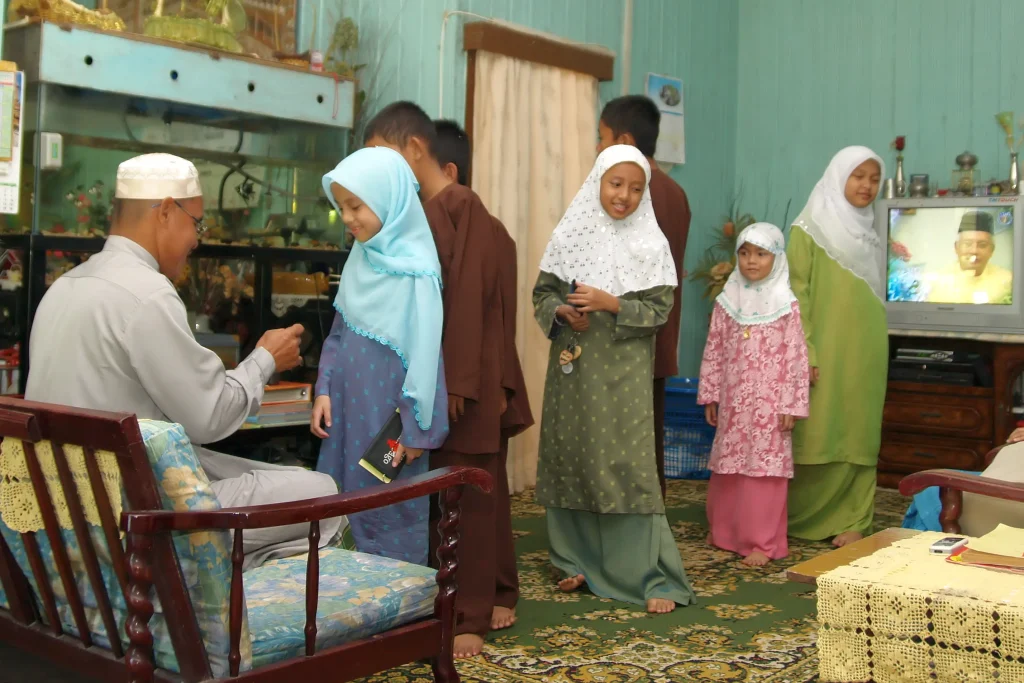
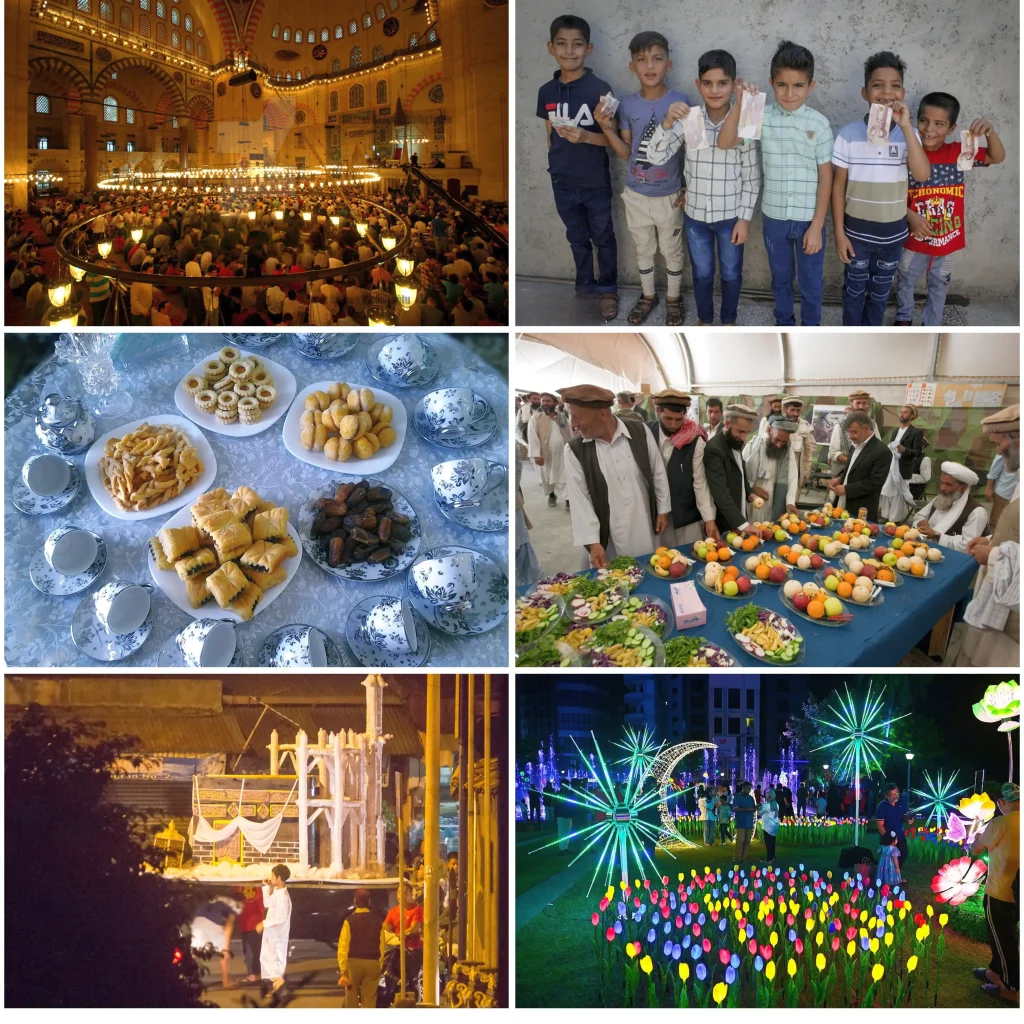
Giving Eidi (money or gifts) to children is an old tradition of Eid. But it is more than just handing out money, it is a way of spreading happiness.
Eidi is usually given by elders to younger family members, but in some places, parents and grandparents also receive Eidi from their children. Some people give gifts like clothes or sweets instead of money. The idea is simple – to make loved ones happy.
Why do people wear new clothes on Eid?
Wearing new clothes on Eid is not just about looking good. It symbolises purity, gratitude, and joy. Dressing up is a way of showing appreciation for the blessings received and celebrating the special day with enthusiasm.
What is Fitrah and why must it be given before Eid prayer?
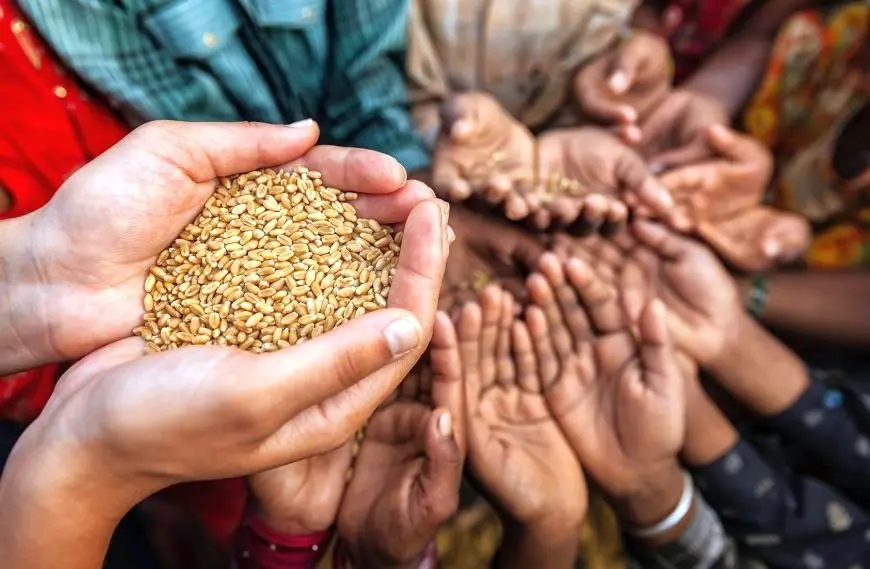
Before Eid prayer, every Muslim must give Fitrah (also known as Zakat-ul-Fitr). This is a form of charity given to the poor, ensuring that no one goes hungry on Eid.
Unlike regular charity, Fitrah is obligatory. It can be given in the form of money, grains, wheat, dates, or any essential food item. The goal is to make sure that even the underprivileged can celebrate Eid with dignity.
Caring for the poor on Eid – The true spirit of the festival
Islam teaches that looking after the poor is a responsibility, not a choice. Eid is not complete if we only celebrate with our families and ignore those in need. The real joy of Eid comes when we share our blessings with others.
Which country celebrates Eid first?
Since the Islamic calendar is based on the moon, countries like Saudi Arabia, Indonesia, and Malaysia often celebrate Eid first. India and Pakistan usually observe Eid a day later.
Eid-ul-Fitr – More than just a celebration
Eid is not just a festival, it is a reminder of compassion, humanity, and gratitude. It teaches that love, brotherhood, and kindness are far greater than material possessions.

When we help the poor, share joy with our family and friends, and thank God for His blessings, we truly fulfil the purpose of Eid.
So, this Eid, don’t just focus on food and clothes. Spread happiness, share with the less fortunate, and make it a celebration for all of humanity.


