




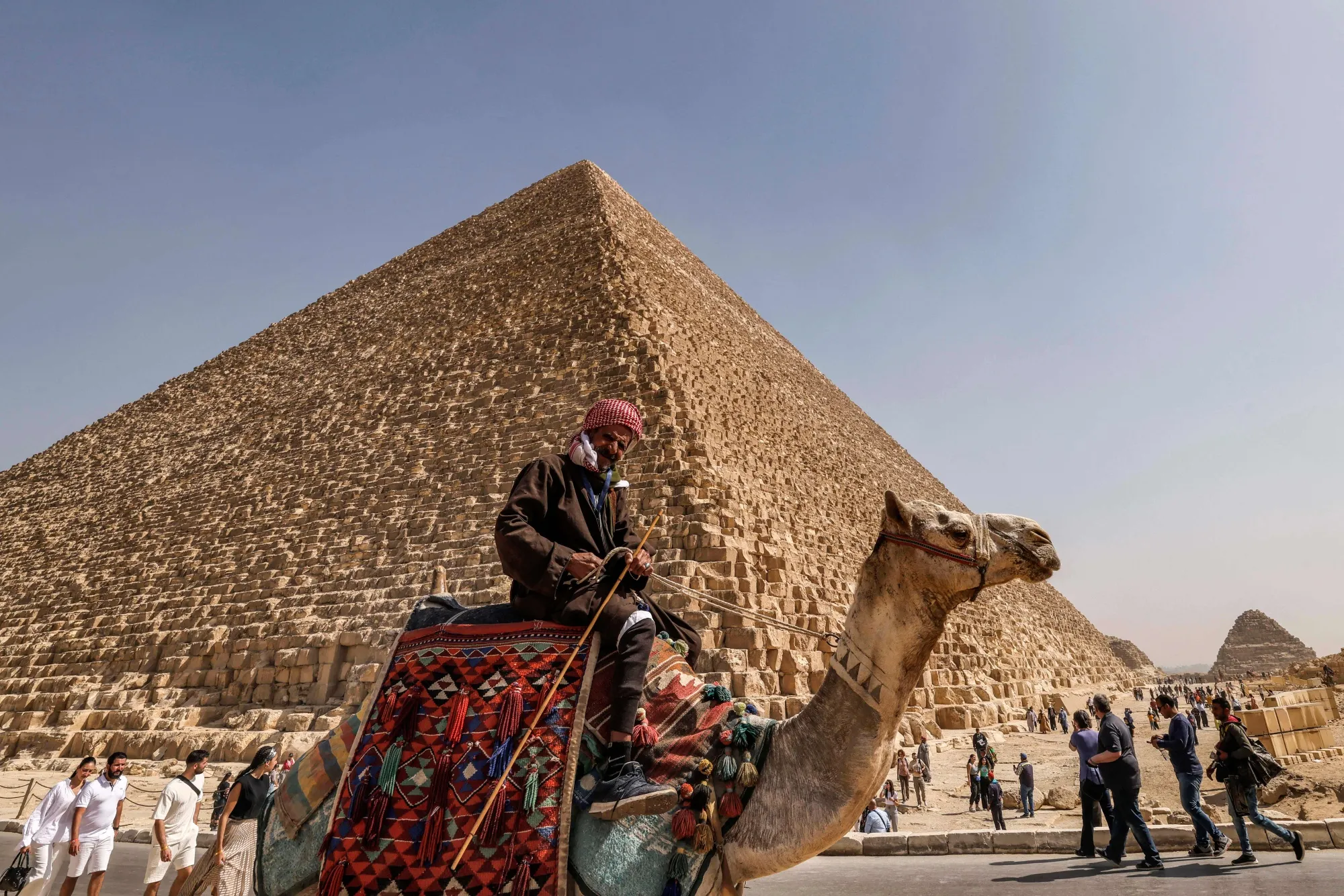
The Giza Plateau, home to Egypt’s ancient pyramids and the Great Sphinx, is in the middle of a major transformation. The aim? To fix years of issues that have affected both preservation efforts and the experience of millions of tourists who visit one of the world’s most iconic sites.
Tourism Boom Meets Overcrowding Woes
In 2024, Egypt welcomed around 17.5 million tourists, with a bold target of 30 million by 2030. While this boost strengthens the economy — contributing roughly 10% to the GDP — it has also brought problems. Visitors have increasingly complained about overcrowding, aggressive vendors, traffic chaos, and unregulated tour operators. These problems have overshadowed the magic of visiting the historic site.
A Major Overhaul in Progress
To tackle these challenges, Egypt has launched a full-scale reorganisation of the Giza Plateau. The changes aim to improve crowd control, protect cultural heritage, and elevate the overall experience for tourists.
Key changes include:
- New Main Entrance: A revamped entry point from the Cairo-Fayum road will help manage visitor flow better.
- Restoration Work: Several nearby tombs and structures are undergoing detailed restoration to revive their ancient glory.
- Digital Ticketing: Online booking systems are expanding to reduce long queues and simplify entry for travellers.
- Green Transport Options: 45 electric buses have been introduced, running every five minutes. These reduce air pollution and decrease reliance on animal rides.
Traditional Operators Raise Concerns
Not everyone is happy with the changes. Horse and camel ride operators, a long-standing part of the site’s culture, have voiced concerns. Many fear losing business due to being relocated to areas further from the main tourist flow. Some of these operators have faced criticism over animal welfare and aggressive sales tactics, prompting a wave of reforms.
A Focus on Animal Welfare
The revamp includes strong measures to protect animals. Amid past allegations of mistreatment, the government has introduced programmes that prioritise ethical treatment. The plan includes gradually phasing out animal rides and offering eco-friendly alternatives, like electric buses, to ensure humane tourism.
Enhancing the Visitor Experience
The makeover also brings a new visitor centre, digital integrations, and an emphasis on comfort and convenience. Together, these changes aim to ensure tourists leave with positive memories instead of complaints.
Balancing Heritage and Modern Tourism
This transformation reflects Egypt’s need to balance its rich past with the realities of modern-day tourism. With rising visitor numbers and global scrutiny, the Giza Plateau’s revamp is a key step in safeguarding its legacy — while offering a smoother, more ethical, and memorable experience for all.