



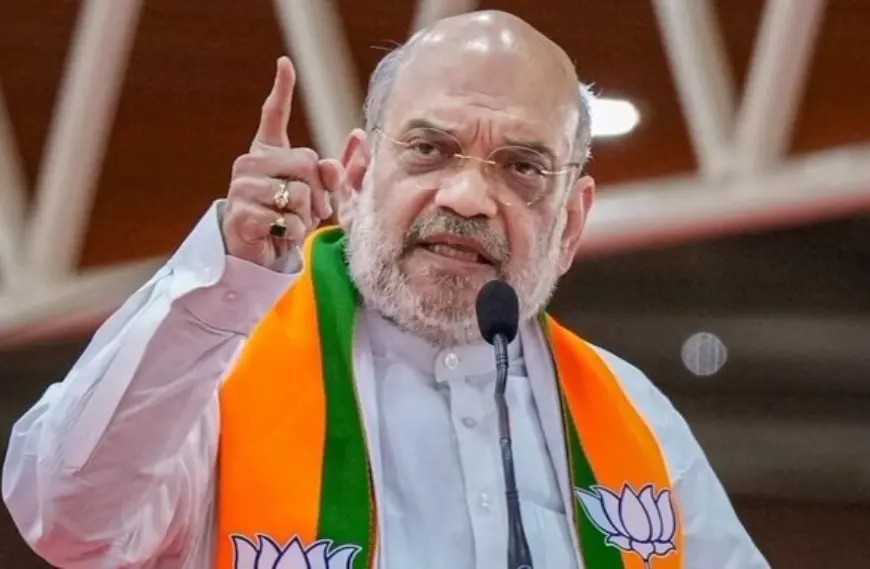
In a recent statement, Home Minister Amit Shah highlighted changes in India’s demographic composition, linking them to the historic Partition of 1947. Shah suggested that the creation of Pakistan led to migration patterns that, over decades, have influenced the country’s religious demographics.
The Partition of India was one of the largest mass migrations in human history. Millions of people moved across the newly drawn borders, seeking safety and stability. While Hindus and Sikhs migrated from what became Pakistan to India, many Muslims moved in the opposite direction. Shah’s comments suggest that this migration set the foundation for the demographic trends observed today.
Shah emphasized that migration from Pakistan and Bangladesh has contributed to a noticeable increase in India’s Muslim population in certain regions. By framing the discussion around historical migration, he sought to explain present-day demographic changes in the context of past political events. This perspective encourages an examination of how large-scale human movements impact social and cultural landscapes over decades.
The Home Minister also drew attention to the importance of distinguishing between lawful migrants, refugees, and infiltrators. While some individuals fled persecution or economic hardship, others may have entered India without proper legal authorization. Shah argued that this distinction is crucial for maintaining accurate demographic records and ensuring fair governance.
Experts note that demographic shifts are influenced by multiple factors, including fertility rates, migration, urbanization, and economic opportunities. Shah’s focus on historical migration offers one lens to understand population changes, but it is important to consider these other factors as well. Historical context, however, remains critical to interpreting patterns of settlement and growth across India.
For educators, students, and historians, Shah’s remarks provide an opportunity to revisit the social and political consequences of Partition. They highlight how decisions made nearly 80 years ago continue to affect communities and policy discussions today. By connecting past and present, this perspective encourages informed conversations about identity, migration, and governance.
Understanding the historical roots of demographic changes can also guide policymakers in addressing challenges related to migration, citizenship, and community integration. Viewing current trends through the lens of history helps create policies that are sensitive to both social realities and legal frameworks.
In conclusion, Amit Shah’s comments underline the long-lasting effects of Partition on India’s population. By situating modern demographic trends within a historical context, he invites citizens and policymakers alike to reflect on the complex interplay of history, migration, and social change.
