



Introduction to India-Trinidad and Tobago Relations
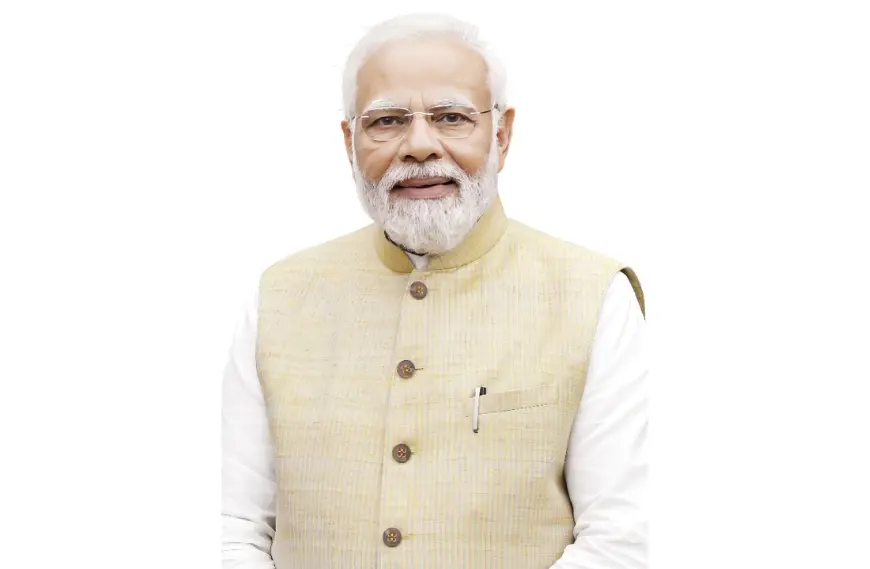
Prime Minister Narendra Modi’s visit to Trinidad and Tobago on July 3–4, 2025, heralds a new chapter in India’s engagement with the Caribbean. This visit, the first by an Indian Prime Minister since 1999, underscores the deep cultural and historical ties binding the two nations. Trinidad and Tobago, a vibrant Caribbean state, hosts one of the oldest Indian diaspora communities, dating back 180 years. The visit aims to strengthen economic, cultural, and strategic ties, aligning with India’s broader outreach to the Global South. This article explores the multifaceted relationship between India and Trinidad and Tobago, highlighting their historical roots, economic potential, and diplomatic aspirations.
Historical Bonds: A Diaspora Legacy
The bond between India and Trinidad and Tobago is rooted in a shared colonial history. Between 1845 and 1917, over 140,000 Indians arrived in Trinidad as indentured labourers, shaping its cultural fabric. Their descendants, now nearly 40% of the population, form a vibrant diaspora. Shared experiences under British rule fostered early solidarity. India established diplomatic relations in 1962, shortly after Trinidad and Tobago’s independence.
The Non-Aligned Movement and Commonwealth membership further aligned the two nations. High-level visits have reinforced this bond. Prime Minister Indira Gandhi visited in 1968, followed by P.V. Narasimha Rao in 1999. Trinidadian leaders, including Prime Minister Eric Williams in 1966, reciprocated. Modi’s 2025 visit, at the invitation of Prime Minister Kamla Persad-Bissessar, marks a significant milestone in this enduring partnership.
Economic Cooperation: Trade and Energy
Economic ties between India and Trinidad and Tobago are modest but growing. Bilateral trade reached $250 million in 2024, with potential for expansion in energy and agriculture. Trinidad and Tobago, a major producer of liquefied natural gas (LNG), is a prospective energy partner for India. Indian exports include pharmaceuticals, textiles, and machinery, while Trinidad exports petroleum products and chemicals. Indian companies, such as ONGC Videsh, are exploring energy investments in Trinidad’s offshore fields.
Modi’s visit will focus on deepening economic cooperation. Discussions with Persad-Bissessar are expected to yield agreements on trade, technology, and digital infrastructure. India’s expertise in digital platforms, such as the Unified Payment Interface (UPI), could find application in Trinidad’s financial sector. The Caribbean Community (CARICOM) provides a platform for broader regional engagement, with India seeking to expand trade networks across the Caribbean.
Strategic and Diplomatic Alignment
India and Trinidad and Tobago share strategic interests in global governance. Both nations advocate for reforming the United Nations, including Security Council expansion. Trinidad’s leadership in CARICOM complements India’s role in the Commonwealth and G20. Modi’s visit will explore cooperation in climate resilience, given Trinidad’s vulnerability to rising sea levels and hurricanes. India’s International Solar Alliance (ISA) aligns with these goals, offering sustainable energy solutions.
Defence cooperation is nascent but promising. India offers training programmes for Trinidadian security forces, focusing on maritime security in the Caribbean Sea. Indian Navy goodwill visits to Port of Spain have strengthened maritime ties. Counter-terrorism and cybersecurity are emerging areas of collaboration, with Modi’s talks likely to yield agreements to enhance regional security.
Cultural and People-to-People Connections
The Indian diaspora is the heart of India-Trinidad relations. Cultural festivals like Divali, declared a national holiday, and Hosay, a unique Indo-Caribbean tradition, are celebrated widely. Bollywood films and Indian cuisine resonate with Trinidadians, enhancing India’s soft power. The Mahatma Gandhi Institute for Cultural Cooperation in Port of Spain promotes yoga, Hindi, and Indian classical arts, fostering cultural exchange.
Educational initiatives strengthen people-to-people ties. Indian universities host Trinidadian students, particularly in medicine and engineering. The e-Visa scheme has facilitated travel, boosting tourism and business interactions. Modi’s engagement with the diaspora during his visit will celebrate these cultural bonds, encouraging further exchange and collaboration.
Energy and Climate Cooperation
Trinidad and Tobago’s LNG reserves are a key focus for India’s energy security. As India seeks to diversify its energy imports, Trinidad emerges as a strategic partner. Joint ventures in renewable energy, particularly solar, are under discussion, with India’s ISA membership offering opportunities for sustainable development. Modi’s visit will likely advance these initiatives, aligning with Trinidad’s goal to reduce carbon emissions.
Climate cooperation is critical, given Trinidad’s vulnerability to climate change. India’s expertise in disaster management and renewable energy can support Trinidad’s resilience efforts. Collaborative projects in solar and wind energy promise to enhance energy security and promote green development.
Challenges and Opportunities
Challenges persist in India-Trinidad relations. Trade imbalances, with India exporting more than it imports, require attention. Diversifying Trinidad’s exports beyond petroleum products could balance this dynamic. Logistical barriers, such as limited direct connectivity, hinder investment. Modi’s visit offers an opportunity to address these issues through trade agreements and improved transport links.
Geopolitical competition, particularly with China’s growing presence in the Caribbean, poses a challenge. India’s diaspora-centric approach and focus on mutual benefit provide a competitive edge. By leveraging cultural ties and sustainable development, India can strengthen its position in the region.
India’s Global South Leadership
Modi’s visit to Trinidad and Tobago aligns with India’s ambition to lead the Global South. Trinidad’s role in CARICOM amplifies its regional influence. Cooperation in trade, energy, and climate resilience will strengthen India’s Caribbean presence. The visit underscores India’s commitment to multilateralism and diaspora engagement, reinforcing its role as a voice for developing nations.
Conclusion: A Future of Collaboration
Modi’s visit to Trinidad and Tobago reaffirms a historic bond rooted in diaspora and shared values. The Indian community, economic potential, and strategic alignment drive this partnership. The 2025 visit, with its focus on trade, energy, technology, and cultural ties, promises to deepen this relationship. As Modi engages with Trinidadian leaders and the diaspora, he will articulate a vision of solidarity, fostering a future of mutual prosperity.
