









The Indian Air Force (IAF) is the air branch of the Indian Armed Forces. It plays a crucial role in protecting India’s airspace and supporting the military on the ground. Established on 8 October 1932, the IAF has grown into one of the most powerful air forces in the world.
Primary Role of the IAF
The IAF’s core responsibility is to secure Indian airspace from external threats. It also provides air support to ground and naval forces during military operations. Apart from combat duties, the IAF handles transport, logistics, disaster relief, and humanitarian missions.
Let’s break down its main roles:
- Air Defence: Detects, intercepts, and destroys hostile aircraft and missiles.
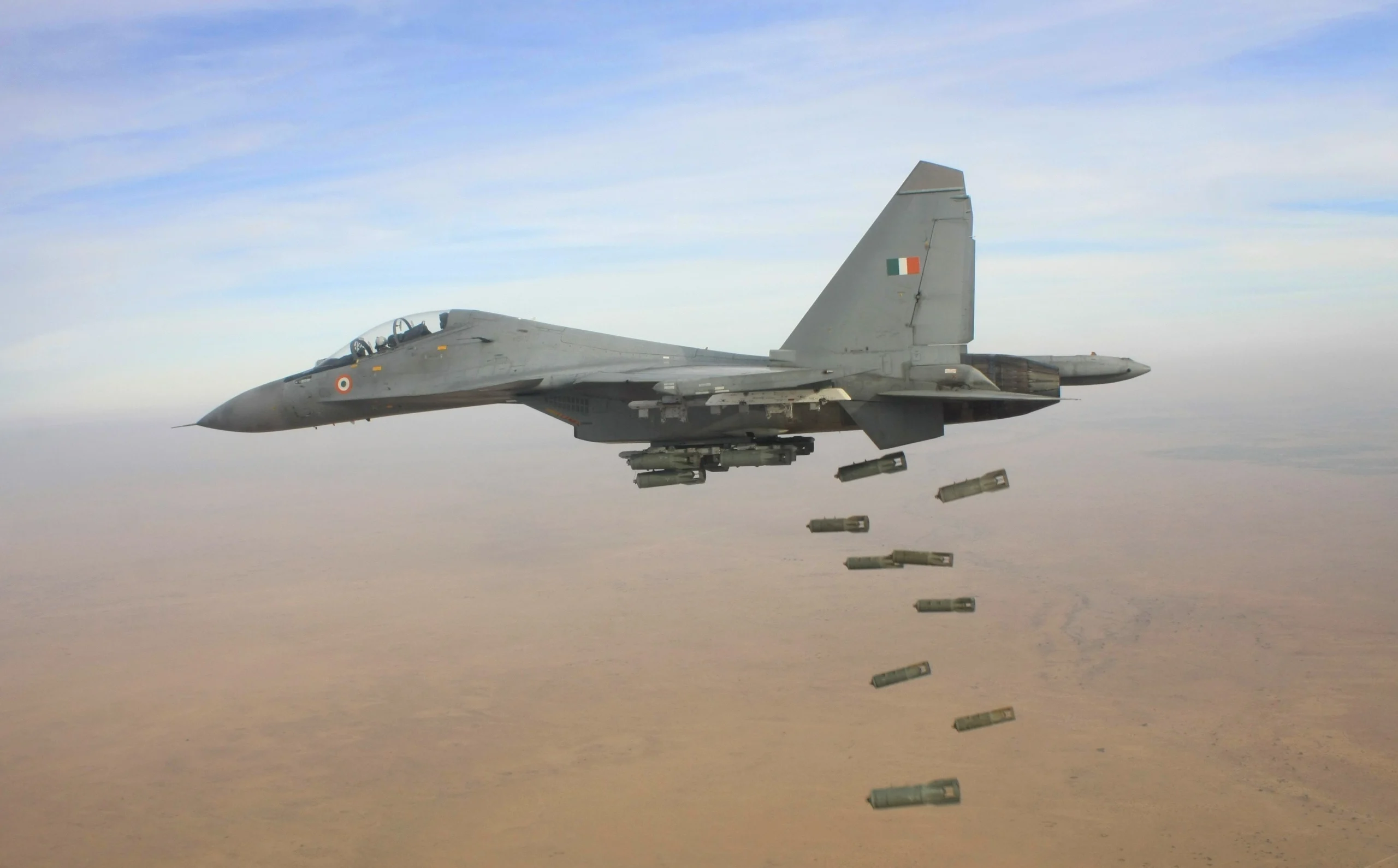
- Offensive Operations: Conducts bombing raids, precision strikes, and deep enemy attacks during war.
- Strategic Transport: Carries troops, weapons, and supplies to critical areas.
- Disaster Relief and Rescue: Provides aid during floods, earthquakes, and major accidents.
- Humanitarian Assistance: Helps in emergency evacuations and rescue missions abroad.
Major Wars and Operations
The IAF has played a decisive role in India’s defence since independence. Some major contributions include:
- 1947–48 Kashmir War: Provided airlift support and air cover during the first war with Pakistan.
- 1962 War with China: Supplied troops and ammunition to high-altitude areas.
- 1965 and 1971 Wars: Carried out major bombing operations and air dominance missions.
- Kargil War (1999): Conducted “Operation Safed Sagar” to target enemy positions in the mountains.
In addition to wars, the IAF has supported peace-time missions:
- Operation Rahat (2013): Rescued over 20,000 people during Uttarakhand floods.
- Nepal Earthquake (2015): Sent relief supplies and evacuated thousands.
- Operation Ganga (2022): Evacuated Indian students from Ukraine.
Aircraft and Technology
Today, the IAF is one of the top 5 air forces globally, with a fleet of over 1,500 aircraft. It operates a mix of imported and indigenous platforms:
- Fighter Jets: Rafale, Sukhoi Su-30MKI, Mirage-2000, MiG-29, and Tejas.
- Transport Aircraft: C-17 Globemaster, C-130J Super Hercules, An-32.
- Helicopters: Apache, Chinook, Mi-17, HAL Dhruv.
- Drones and Missiles: Operates UAVs and advanced missile systems.
- Radar and Early Warning Systems: Detects threats before they enter Indian airspace.
The IAF is also focusing on modernisation and self-reliance under the “Make in India” initiative. Indigenous platforms like Tejas fighter jet, Akash missile system, and new drone technologies are being developed.
Training and Personnel
The IAF has over 1.5 lakh personnel, including pilots, engineers, and technicians. Officers are trained at institutions like:
- Air Force Academy (Hyderabad)
- National Defence Academy (Pune)
- Technical Training Centres across India
The IAF started inducting women fighter pilots in 2016. Women now fly fighter jets, transport planes, and helicopters.
Values and Motto
The IAF lives by the motto “Touch the Sky with Glory”, taken from the Bhagavad Gita. It symbolises excellence, bravery, and national pride. The IAF is not just a military force—it is a symbol of India’s strength, speed, and service to its people.
As India grows stronger in space and technology, the IAF continues to evolve. From protecting borders to helping during disasters, the Indian Air Force remains a force you can always rely on.


