



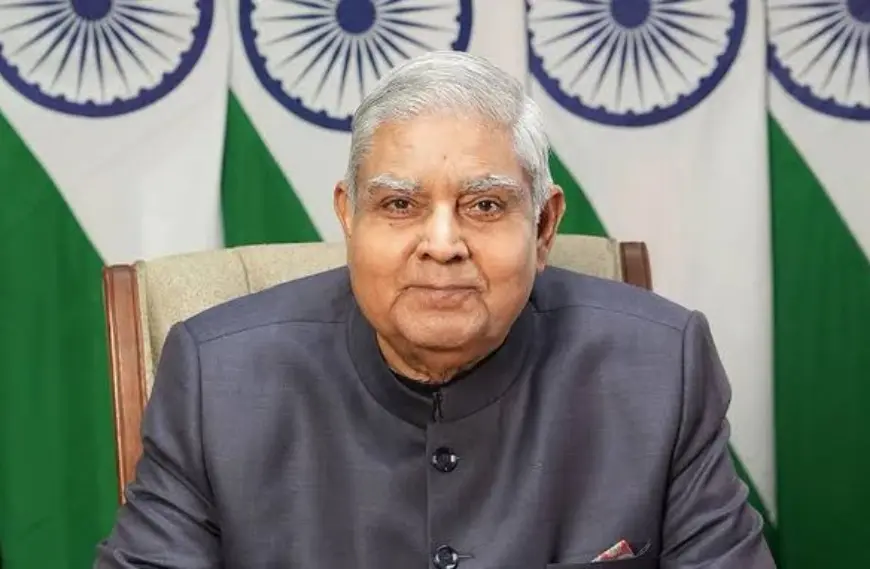
It has been 50 days since former Vice President Jagdeep Dhankhar suddenly resigned and went silent. His absence has surprised many, especially because the vice-presidential election is now taking place. Opposition parties are raising strong questions, saying the people of India deserve to know why he left his post and why he has not spoken since.
A Surprising Exit
Dhankhar’s resignation came without warning. Until then, he was actively fulfilling his role as Vice President and Chairman of the Rajya Sabha. Reports suggest that the trigger may have been the impeachment notice against Justice Varma, which caught the government off guard. Soon after, Dhankhar stepped down from office.
What makes this more unusual is that after resigning, he has completely disappeared from the public eye. He has not made any statement, not clarified his reasons, and not even appeared at important political or social events. For a senior constitutional leader, this level of silence is rare and raises suspicion about what really happened behind the scenes.
Opposition Demands Clarity
The opposition parties are openly questioning this silence. Senior Congress leader Jairam Ramesh took to social media and wrote:
“For 50 days now, Shri Jagdeep Dhankhar has maintained an uncharacteristic silence. Today as the election for his successor gets underway, the nation continues to wait for him to speak out after his unprecedented and unexpected resignation as VP…”
This statement highlights the frustration of the opposition, which believes that Dhankhar’s silence is undemocratic. They argue that people trusted him with a top constitutional role, and therefore he must explain his decision. For them, his disappearance looks more like running away from responsibility than a dignified exit.
Why His Silence Matters
Dhankhar’s silence is not just a personal choice, it has political and democratic consequences.
- Accountability for Leaders: As Vice President, he was the second-highest constitutional authority after the President. When someone at that level resigns, the public has the right to know why. Silence creates mistrust.
- Political Timing: His resignation came just before the election for a new Vice President. The absence of an explanation during such a critical time makes people wonder if there is a hidden political reason.
- Public Trust: Ordinary citizens see leaders as representatives of democracy. If Dhankhar refuses to explain his sudden exit, it weakens trust in constitutional offices and raises doubts about transparency in politics.
What the Public and Activists Expect
Citizens, opposition leaders, and political observers are all asking for the same thing—a clear statement from Dhankhar. They want him to:
- Tell the real reason for his resignation.
- Explain why he has not spoken for 50 days.
- Reassure the public that the resignation was not due to hidden pressures or secret deals.
Party activists believe that speaking out will restore some faith in the system. Media houses are also pressing for answers, as the silence only fuels speculation. For voters, this is not just about one leader but about respecting the principle of accountability in democracy.
Jagdeep Dhankhar’s unexpected resignation and 50-day silence have created a political storm. The opposition is demanding clarity, arguing that the nation cannot be left in the dark when such a high constitutional office is involved. His silence, instead of ending questions, has only deepened doubts.
Now, as India elects its next Vice President, the call is growing louder: Dhankhar must break his silence. For democracy to stay healthy, leaders cannot disappear when the public needs answers the most.
