



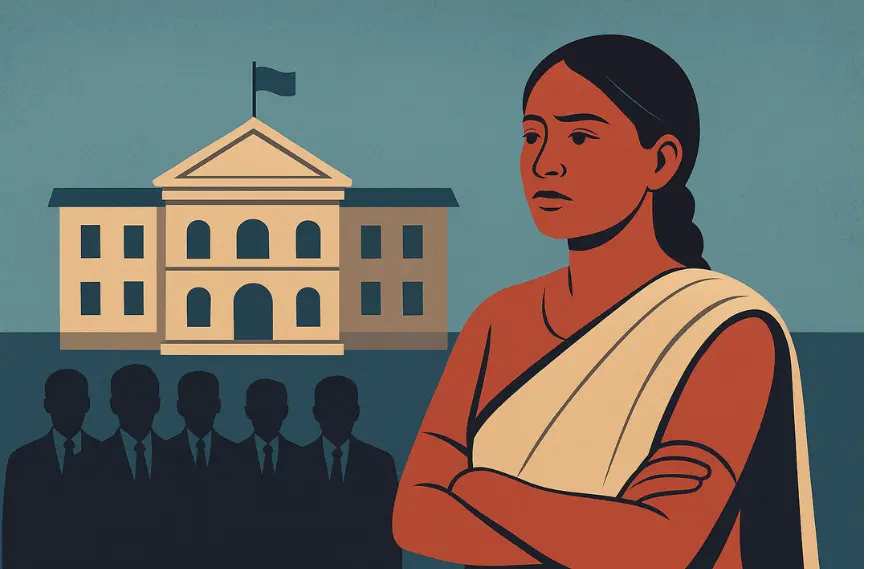
Meghalaya’s matrilineal tradition vs. political reality
Meghalaya, one of India’s few matrilineal states, has recently come under the spotlight after the announcement of its newly reshuffled cabinet. Surprisingly, the new cabinet does not include any women, sparking widespread criticism and concerns over gender exclusion in the state’s governance. Despite Meghalaya’s cultural traditions, where women hold significant social and family authority, the absence of female leaders in key political positions shows a clear gap between tradition and actual political representation.
Congress criticism and calls for inclusion
The Congress party has been particularly vocal in criticizing the MDA government for this decision. They argue that excluding women from the cabinet is not only unfair but also undermines the values of inclusion and equality that the state has long championed. According to party leaders, women’s perspectives are essential for balanced decision-making, and their absence in the cabinet could affect policy planning, governance, and the focus on issues specifically related to women and children.
The bigger question: women’s political participation
Political analysts say that this move raises broader questions about women’s participation in politics in Meghalaya. While women have historically played important roles in society, their representation in political decision-making remains limited. The cabinet reshuffle highlights the ongoing challenge of ensuring that governance structures reflect the diversity and composition of the society they serve. Experts believe that without women in leadership roles, policies may overlook key social issues, including education, healthcare, gender-based violence, and empowerment initiatives.
Public reaction and activist concerns
The lack of female ministers has sparked public debate across the state. Many citizens have expressed disappointment, noting that women are capable leaders and can bring fresh perspectives to governance. Social activists point out that this is an opportunity for the government to set a positive example by promoting gender equality at the highest levels of political leadership.
Suggested female leaders for cabinet inclusion
The Congress party has specifically suggested that capable female leaders like Mehtab Chandee Sangma and Santa Merry Shylla should be considered for cabinet positions. Including women would not only ensure fair representation but also help strengthen the government’s credibility in addressing gender-sensitive issues.
Bridging tradition and equality
Meghalaya’s cabinet reshuffle has highlighted a serious issue: the gap between the state’s matrilineal traditions and women’s actual participation in governance. Excluding women from the cabinet undermines their role in decision-making and risks overlooking policies that affect half of the population. Advocates are urging the government to reconsider its stance and ensure that women are represented in the state’s leadership. A truly inclusive cabinet would send a strong message that Meghalaya values both tradition and equality, ensuring that governance reflects the voices of all its citizens.
