










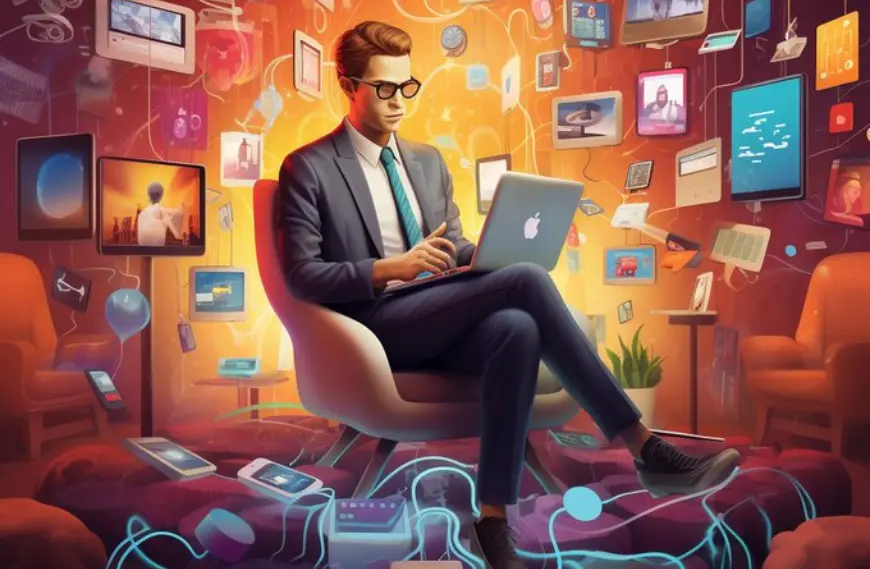
In today’s digital age, social media is more than a platform; it’s a world where millions connect, communicate, and consume content every day. But have you ever wondered why we keep scrolling endlessly, liking posts, or sharing memes without thinking? The answer lies in the fascinating psychology of social media.
The Science Behind the Scroll
Every notification, like, or comment triggers a small hit of dopamine in our brains, the chemical responsible for pleasure and reward. This creates a loop of instant gratification, making scrolling feel almost addictive. Platforms are deliberately designed to maximize engagement, using algorithms that show content tailored to our preferences, keeping users hooked for longer periods.
Sharing and Liking: More Than Just Approval
When we share or like content, it isn’t just a casual action it reflects social validation. Psychologists suggest that receiving likes or comments provides a sense of belonging and recognition. For many, this small social reinforcement can boost self-esteem, while a lack of engagement can create feelings of anxiety or rejection.
Mental Health Implications
While social media connects us, it can also affect mental well-being. Continuous exposure to curated, idealized images and posts can lead to comparison, low self-esteem, and even anxiety. Studies show that excessive social media use is linked to disrupted sleep, decreased attention span, and heightened stress levels. However, when used mindfully, these platforms can foster learning, creativity, and genuine social connections.
The Role of Algorithms
Social media algorithms are designed to show content that keeps us engaged. This often means prioritizing sensational, emotional, or viral posts, which can influence opinions, shape perceptions, and even polarize users. Understanding this mechanism helps users recognize why certain content grabs attention and why it’s essential to pause and reflect before reacting.
Mindful Use: Finding Balance
Awareness is key. Limiting screen time, turning off notifications, and engaging in offline activities can help create a healthier relationship with social media. By consciously choosing what to consume and share, we regain control over our digital habits and protect our mental well-being.
Social media is a powerful tool, capable of connecting the world in unprecedented ways. Yet, understanding the psychology behind our interactions helps us use it wisely, ensuring that scrolling, liking, and sharing enrich our lives rather than control them.


