



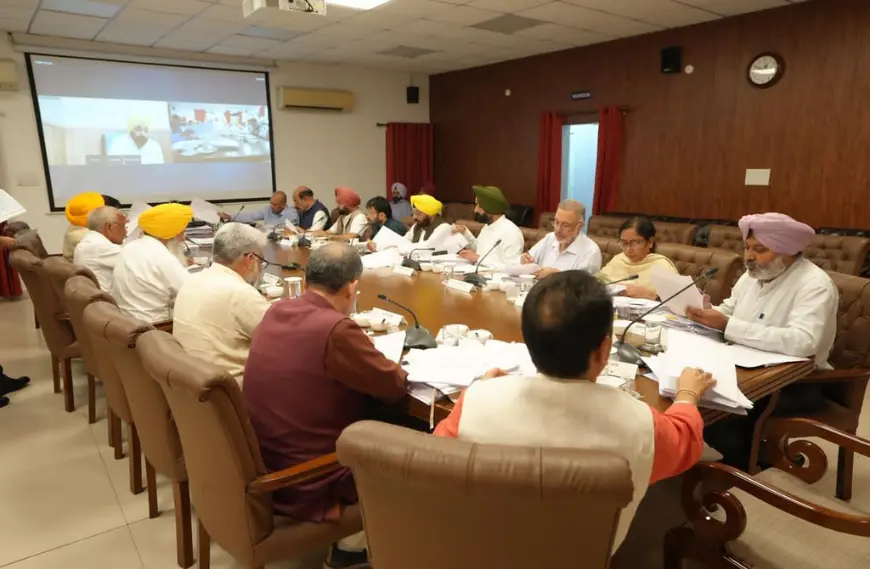
The Punjab government has announced a flood relief package that includes ₹20,000 per acre in compensation for crop damage. This figure is being described as the “highest-ever” per-acre compensation in the state, surpassing previous rates that combined central and state contributions of around ₹15,000 per acre
This relief was declared amid Punjab’s worst flooding in nearly four decades. Over 4.3 lakh acres of farmland have been submerged, affecting thousands of villages and residents.
In addition to crop compensation, the cabinet approved an ex gratia payment of ₹4 lakh to families of those who lost their lives in the floods. A bold new policy’Jisda Khet, Usdi Ret’ allows farmers to extract and sell sand and silt from their fields without requiring environmental permits, aiming to help restore their land and earnings
Despite these efforts, many farmers and political leaders feel the compensation is insufficient. Farmers in border districts described ₹20,000 per acre as inadequate, with estimated losses of ₹1.5 lakh per acre; several unions have demanded compensation ranging from ₹70,000 to ₹1 lakh per acre. The Bharatiya Kisan Union (Kadian) rejected the relief outright, calling it ‘grossly inadequate,’ and pressed for ₹1 lakh per acre and ₹10 lakh for families of the deceased .
Political leaders from the Congress expressed similar concerns. Punjab Congress chief Amrinder Singh Raja Warring labelled the relief as ‘meagre,’ pointing out that damage extends beyond washed-away crops to affected soil fertility, livestock, and farm infrastructure and warned that without a fast disbursal schedule, the relief might end up ‘another hoax’. Pargat Singh, another Congress leader, called the ₹20,000-a-acre figure “like a drop in the ocean,” and demanded ₹50,000 per acre for crops and ₹1 lakh for sugarcane farmers
Further criticism came from the Shiromani Akali Dal (SAD). Their president, Sukhbir Singh Badal, called for a ₹20,000 crore central aid package, ₹50,000 per acre in relief, higher ex gratia for deceased families, aid for livestock, and loan waivers, arguing that only state compensation is far from enough
While the ₹20,000 per acre compensation represents a significant step from the Punjab government, many affected groups believe it fails to adequately address the full scope of loss. Real recovery may require higher compensation, faster payouts, and broader relief covering infrastructure, livestock, soil health, and future crops.
