










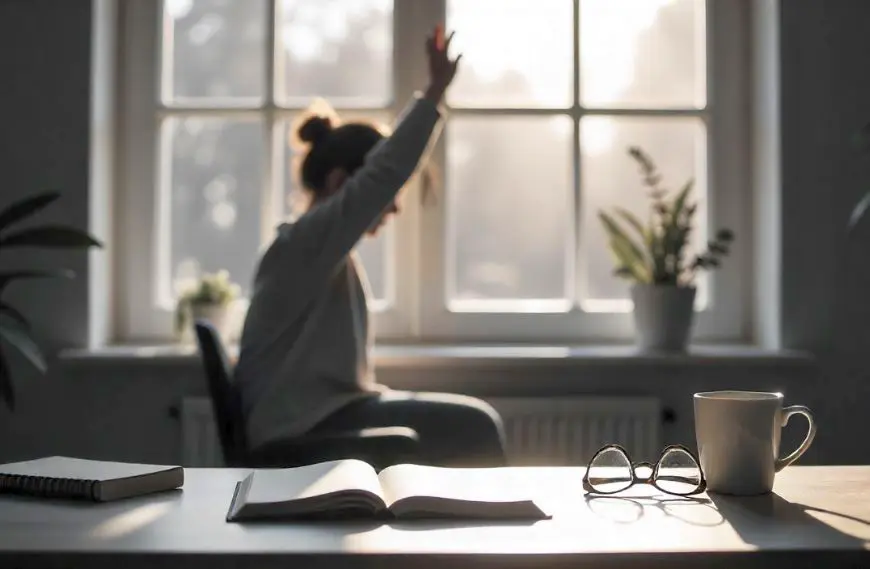
The trap of motivation
We have all had that moment. You wake up feeling unstoppable. We promise ourselves we will start running, write every day, or finally learn that new skill. For a while, motivation carries us. Then one late night or a bad mood knocks us off course. Suddenly, the spark is gone.
That’s the problem with relying on motivation. It’s unpredictable. Some days it’s there, other days it vanishes. And when it disappears, so does progress. This is where the idea of routine as freedom comes in. Routine does not depend on mood. It builds a stable path forward, one step at a time.
Why routine feels restrictive, but isn’t
Many people think of routines as boring or restrictive. Wake up at the same time. Eat similar meals. Do tasks in the same order. It sounds dull. Yet the truth is the opposite. A routine does not trap you. It frees you.
Every decision we make takes energy. What to wear, when to eat, whether to exercise, it all drains our mental battery. Without a routine, you spend half the day negotiating with yourself. Should I do this now or later? Do I feel motivated enough? That constant decision-making creates stress.
A routine cuts through the noise. When habits are in place, you don’t have to debate with yourself. You just do it. That mental freedom is priceless.
Routine reduces stress
Think about mornings. Without a routine, they feel chaotic. You are rushing, forgetting things, and reacting to every small problem. Stress builds before the day even starts.
With a routine, mornings look different. You know what comes first, what follows, and how long things take. Even small rituals, like drinking water, stretching, or making the bed, set a calmer tone. That calmness reduces stress, and stress reduction improves focus for the rest of the day.
In this way, routine acts like a quiet anchor. No matter what the day throws at you, the structure of routine keeps you steady.
The link between routine and creativity
Here is something people often miss: routines don’t kill creativity. They make room for it.
Writers, musicians, and artists throughout history relied on consistent routines. By handling daily basics automatically, they freed their minds for deeper work. Creativity does not thrive in chaos. It needs mental space, and routine creates that space.
When the basics of your day run smoothly, your brain has energy left for imagination. Routine as freedom is not about rigid schedules. It’s about creating stability so your mind can wander in meaningful ways.
The hidden energy saver
Routines also save physical and emotional energy. Imagine if you had to decide every single time whether to brush your teeth. It sounds ridiculous. That’s because brushing is now a habit. You do it automatically.
The same principle applies to exercise, reading, or studying. Once these actions become routine, they demand less willpower. They no longer feel like huge tasks. They become part of who you are.
This is why athletes, musicians, and successful leaders lean on consistent habits. They don’t rely on bursts of motivation. They conserve energy by turning effort into routine.
How routine creates real freedom
Freedom does not mean doing whatever you want, whenever you want. That kind of freedom often leads to chaos. True freedom is being able to focus on what matters without being pulled in a hundred directions.
Routine gives you that. It removes the constant negotiations of the mind. It shields you from decision fatigue. It lets you focus on growth, relationships, and purpose instead of daily clutter.
When routines are in place, life feels lighter. You are not trapped. You are free from endless choices and distractions. That’s the deeper meaning of routine as freedom.
Building your own routine
So how do you put this into practice? Start small. Pick one or two actions you want to repeat daily. Maybe it’s a five-minute stretch, journaling, or reading before bed. Anchor them to something you already do, like brushing your teeth or having coffee.
Keep it simple. Don’t overload yourself with too many changes at once. Routines grow best when built slowly. Over time, these small steps link together into something stronger.
And remember: you don’t need to feel motivated every day. Consistency is what counts.
Motivation is like the weather. It changes without warning. Routines are more like the seasons, steady, reliable, and predictable. That’s why routine freedom is such a powerful idea.
It does not chain you down. It frees you up. It saves your energy, reduces stress, and opens doors for creativity. Most importantly, it keeps you moving even when motivation disappears.
So if you want a life that feels lighter and more focused, don’t wait for motivation to strike. Build routines instead. Freedom is waiting for the consistency of your daily steps.


