








For decades, migration was seen as the only path to economic mobility for many rural families. Young men left for cities, returning occasionally with savings that rarely lasted long. Agriculture alone felt insufficient, and local opportunities seemed limited.
Yet in some villages, a different strategy has begun to take shape not by rejecting the outside world, but by strengthening what exists within.
The first shift often begins with a conversation about local resources. What crops grow well here? What skills do people already have? What can be processed or produced locally instead of being sold raw at low prices? Such questions are leading to the creation of small, decentralised rural enterprises.
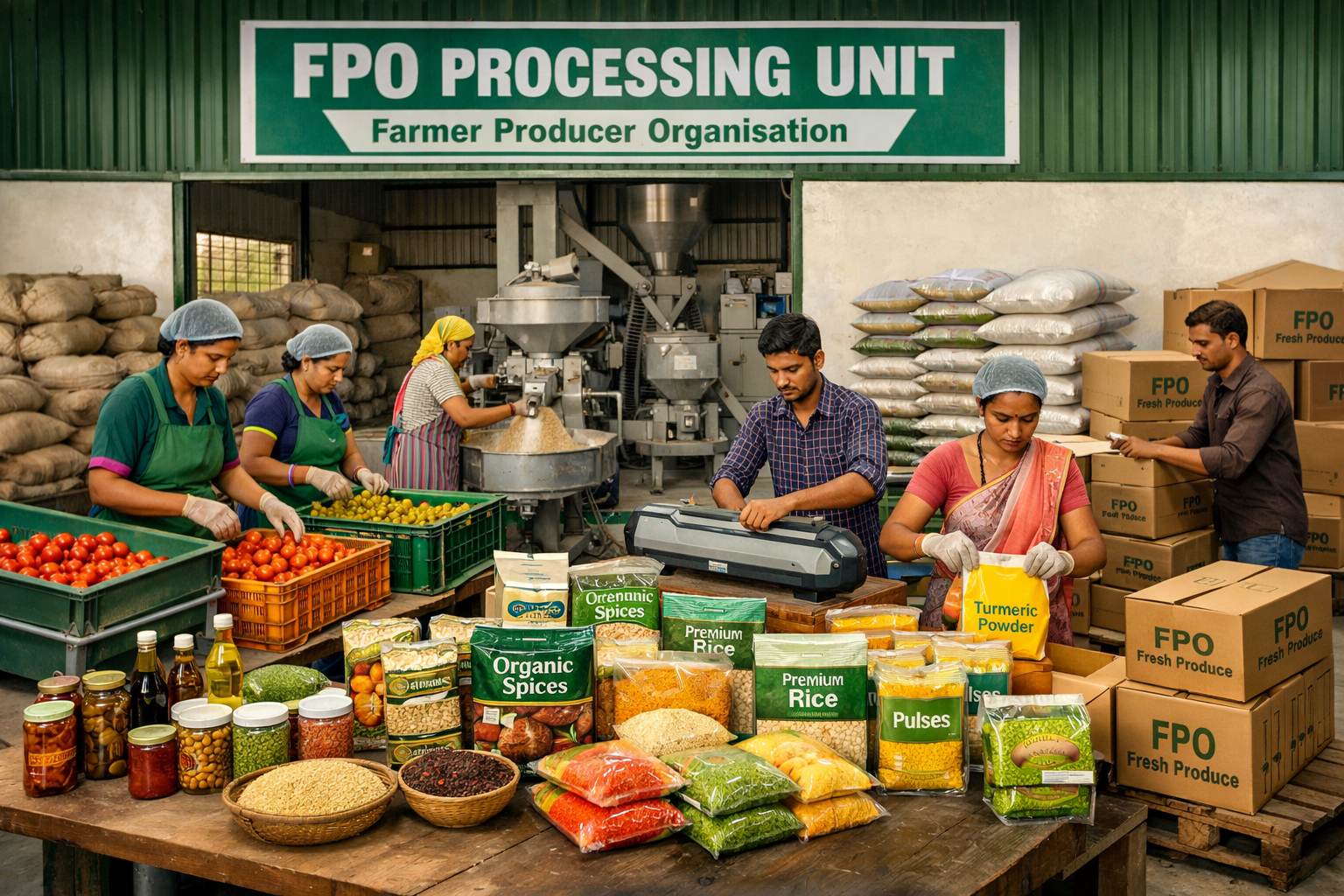
Farmer groups are setting up basic processing units for produce like millets, spices, oilseeds or fruits. Instead of selling harvests immediately after collection, they clean, grade, package or process them into value-added products. This simple step increases income retention within the village and creates non-farm jobs in sorting, packaging and marketing.
Dairy and poultry collectives are also reshaping rural economies. By organising procurement, storage and transport collectively, small producers gain better access to markets and more stable pricing. Women often take leadership roles in these enterprises, strengthening their economic participation and decision-making power within households.
Local service enterprises are emerging to repair workshops, small food processing units, tailoring clusters, and rural tourism initiatives that showcase local culture and cuisine. None of these individually transforms a village overnight. Together, however, they create a more diversified and resilient economy.
A key factor behind such transitions is institutional support. Self-help group federations, farmer producer organisations and rural development missions provide training in bookkeeping, quality control and market linkages. Exposure visits to successful villages inspire replication of workable models rather than risky experimentation.
The social impact extends beyond income. When employment is available locally, families stay together. Children experience more stable schooling. Community life becomes more active as economic and social ties strengthen. Migration, when it occurs, becomes a choice rather than a compulsion.
These villages are not isolated from broader markets or modern aspirations. Instead, they are negotiating a more balanced relationship with them engaging with external demand while building internal capacity. Their message is subtle but powerful: rural prosperity does not have to depend solely on distant cities.
By investing in local production, skills and cooperation, such communities are redefining what progress looks like, grounded, inclusive and closer to home.
Subscribe Deshwale on YouTube


