











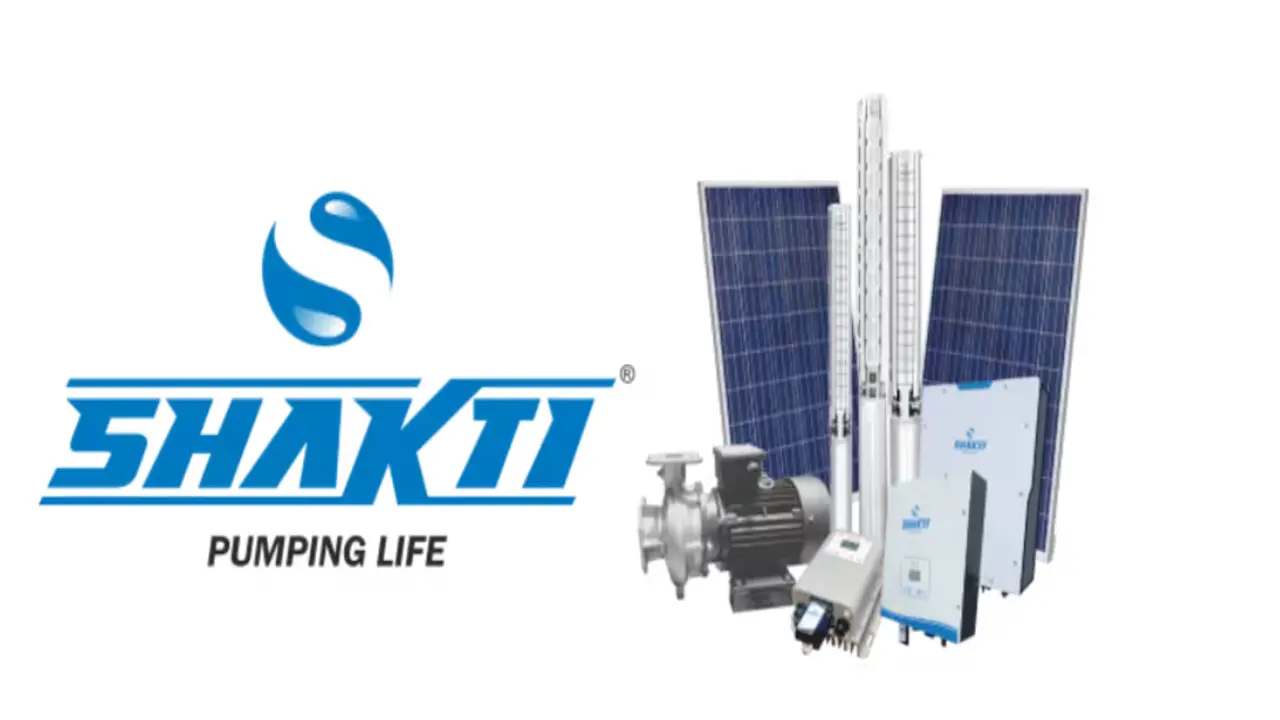
In the heart of India’s farmlands, where the sun scorches the earth and water often hides beneath it, a quiet revolution is underway. It doesn’t wear a cape or seek the spotlight. It hums in the rhythm of solar panels and flows through the pipes that bring life to fields once cracked with drought. This is the story of Shakti Pumps — but more importantly, it is the story of people who believed that change could start with a switch.
Founded in 1982 by the Patidar family in Pithampur, Madhya Pradesh, Shakti Pumps began as a modest workshop. In a time when India still depended heavily on imported equipment, they dreamed of building machines that could meet local needs. For nearly a decade, they built up skills, learned the trade, and focused on crafting durable pumps for Indian conditions. By 1995, they had taken the bold step of going public. That alone was a feat. But the real story was just beginning.
The real shift came in the early 2010s when the company turned its focus towards solar energy. At a time when diesel pumps were still the norm and electricity was unreliable in villages, this decision felt risky. But Shakti saw an opportunity: to harness the one resource India has in abundance—sunlight—and use it to lift water from the ground.
Their solar-powered pumps soon reached farms across India, and the impact was not just economic—it was personal, especially for women. In the villages of Bihar, where women traditionally relied on erratic rains or expensive diesel, Shakti Pumps quietly started changing their lives. With support from government schemes like PM-KUSUM, and the backing of self-help groups (SHGs), women began pooling resources to install solar pumps.
One group in Muzaffarpur started by collecting ₹1.3 lakh to buy a solar water pump. That pump didn’t just water their fields—it watered their futures. They began renting it out at ₹100 per hour, earning steady income, and paying off loans. Another woman used an SHG loan to install a pump and now irrigates neighbouring farms for ₹229 per acre. Their stories are not isolated. They echo across thousands of villages.
What makes these changes so powerful is not just the income, but the independence. These women, many of whom had never handled financial decisions, now manage machines, track earnings, and lead their communities. They grow diverse crops, invest in education, and challenge the deep-set traditions that once told them to stay quiet. With every litre of water they draw, they also draw out strength—quiet, determined strength.
Shakti Pumps didn’t just make products. They made possibilities. Their solar pumps are energy-efficient, using 30–40% less power and delivering more output than traditional options. Their equipment resists rust, lasts longer, and is designed for the unpredictable power supply in rural India. By 2025, their facility could produce up to 5 lakh pumps a year. Their R&D team has secured 29 patents and developed new technologies like micro-smart pumps—lightweight, low-voltage, and ideal for small-scale farmers.
The numbers back the success. In FY 2025 alone, Shakti Pumps reported revenue of ₹2,516 crore, a jump of 83.6% over the previous year. Their exports reached 100+ countries, and their stock saw a 500% return in just over a year. But beyond these statistics lies the deeper achievement—trust. They earned it not from investors alone, but from the women and men in villages who now depend on them.
Their journey also reflects a larger shift in India—towards clean energy, towards inclusive growth, and towards giving power (literally and figuratively) to those long ignored. Solar pumps under schemes like PM-KUSUM are not just about saving fuel. They’re about giving farmers control. When diesel prices rise, the sun still shines. When power cuts hit, the sun still rises. That certainty changes everything.
And when that technology lands in the hands of rural women, something even more powerful happens. Social roles begin to shift. Women become decision-makers, landowners, and income earners. In many homes, husbands who once questioned their wives now follow their lead. Children see their mothers in new light—not just as caretakers but as changemakers.
These stories remind us that rural India doesn’t need charity. It needs tools. It needs innovation shaped by real needs. Shakti Pumps proved that business can serve purpose, and that technology can be both affordable and transformative.
Their journey isn’t perfect. Like any company, they’ve faced delays, policy hurdles, and fierce competition. But what sets them apart is how they’ve stayed rooted in Indian soil—literally and figuratively. They didn’t chase the most glamorous markets or the quickest returns. They chose to walk with farmers, especially those at the margins.
Today, as India dreams of becoming a global leader in green energy, stories like Shakti Pumps offer a blueprint. They show how domestic innovation can solve domestic problems. They show that renewable energy isn’t just a climate goal—it’s a social one.
From a small workshop in Madhya Pradesh to the fields of Muzaffarpur, Shakti’s journey is not about machines—it’s about meaning. It’s about proving that water, when lifted right, can also lift people. It’s about reminding us that the most powerful revolutions often start with the most ordinary tools.
So the next time you hear a motor running in a distant field, pause. It might just be powered by the sun. And it might just be changing a life.
Disclaimer:
This article is intended solely for inspirational and informational purposes. Deshwale does not recommend, endorse, or advise the purchase or sale of any shares, stocks, or financial instruments mentioned. All company references are part of a motivational story showcasing innovation and empowerment. Readers are encouraged to conduct their own research or consult with a financial advisor before making any investment decisions.


