



The debate over promoting Swadeshi products in India has intensified in recent days, with the Aam Aadmi Party (AAP) and the Bharatiya Janata Party (BJP) at the center of the discussion. The controversy began after Prime Minister Narendra Modi urged citizens to prioritize ‘Made in India’ products as part of a larger push for self-reliance and domestic manufacturing.
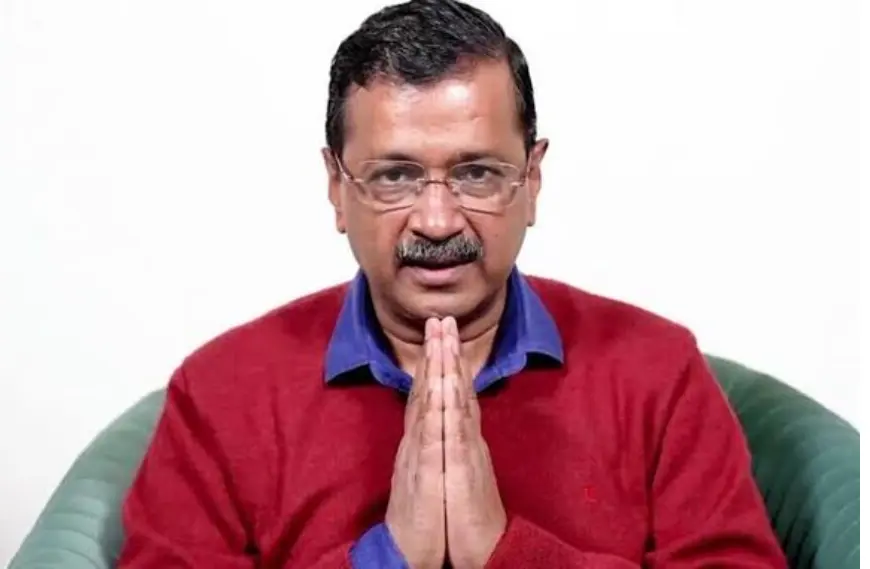
In response, Arvind Kejriwal, the Delhi Chief Minister and AAP leader, questioned whether the Prime Minister himself follows the advice. Posting on social media platform X (formerly Twitter), Kejriwal asked if Modi was willing to give up foreign-made products he uses personally, including the private plane he often travels in. This public statement sparked a political debate and drew national attention.
Sanjay Singh, AAP MP, further highlighted what the party sees as a double standard. He pointed out that the Prime Minister reportedly wears Italian glasses, uses a Swiss watch, drives German cars, and has an American phone. At the same time, Modi encourages citizens to adopt Swadeshi products in their daily lives. Singh also mentioned continued imports from countries such as the U.S. and China, arguing that promoting indigenous goods must be matched with consistent action from leaders.
The BJP, however, frames Swadeshi promotion as a national initiative aimed at strengthening India’s domestic industries and reducing reliance on foreign products. Party supporters emphasize that the campaign is meant to encourage citizens to support local manufacturing, boost employment, and make India more self-reliant in global trade.
This exchange between AAP and BJP is more than just political posturing. It raises important questions about leadership by example and whether political messaging aligns with real-life practices. Citizens are being asked to adopt Swadeshi, but critics argue that such campaigns lose credibility if leaders themselves rely on foreign-made goods.
The debate also highlights the challenges of practicing Swadeshi in a globalized economy. While promoting domestic products is seen as a patriotic and economic imperative, certain global goods are often considered essential due to quality, availability, or technology.
As the discussion continues, it shows the tension between nationalist economic policies and the practical realities of political and personal choices. Both parties are using this debate to strengthen their narratives, AAP by questioning credibility, and BJP by reinforcing the Swadeshi agenda as part of India’s larger growth story.
