










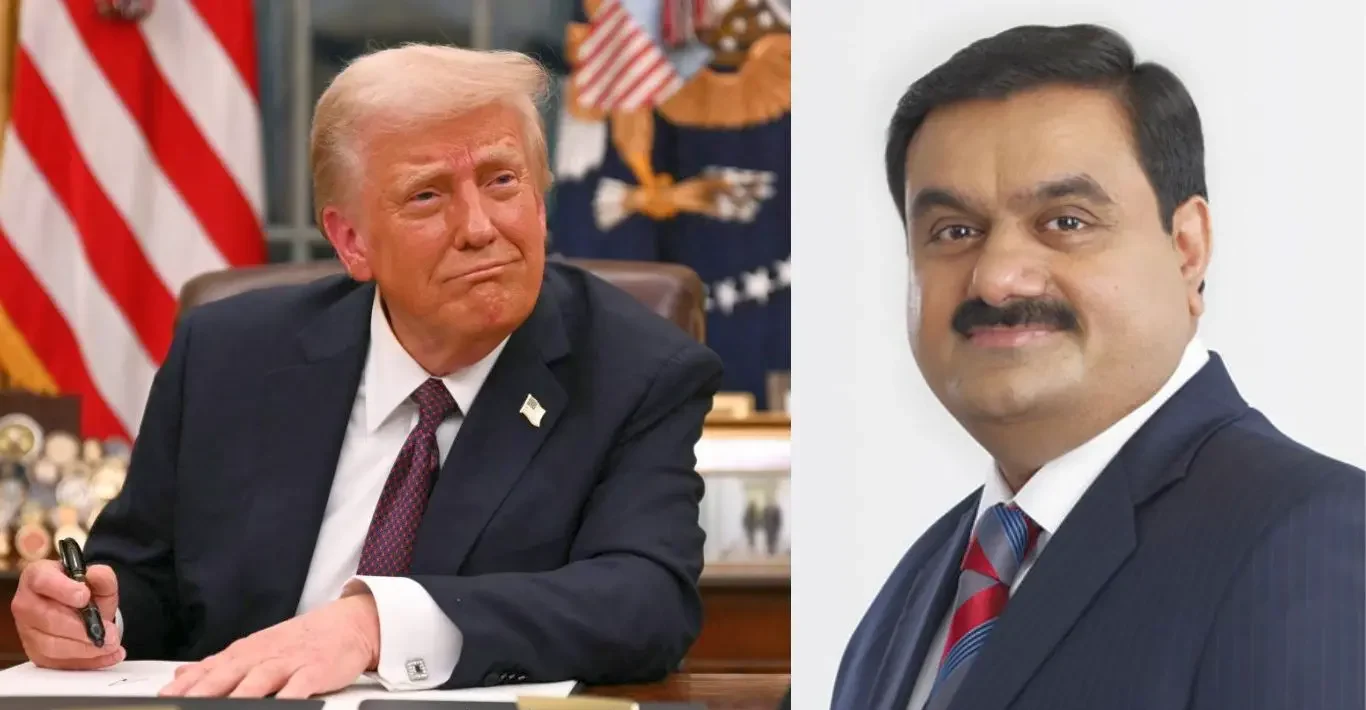
President Donald Trump has issued an executive order temporarily halting enforcement of the Foreign Corrupt Practices Act (FCPA), a law designed to prevent US companies from bribing foreign officials. The decision, aimed at reducing regulatory pressure on American businesses, has sparked global debate, with critics warning of its potential to encourage corporate misconduct.
The White House claims that strict FCPA enforcement has placed US firms at a disadvantage against global competitors, some of whom operate in environments where bribery is common practice. The pause is expected to allow for a review of existing regulations, ensuring they do not hinder American businesses’ ability to compete internationally.
Attorney General Pam Bondi has been tasked with assessing ongoing FCPA cases, and during this review period, no new investigations will be launched unless specifically approved by the Department of Justice (DoJ).
While US businesses may welcome this move, critics argue it could weaken global efforts to curb corruption. Transparency International has expressed concern that relaxing the FCPA’s enforcement could lead to unethical business practices becoming more widespread.
For many developing economies, including India, weaker anti-corruption enforcement in the US could have mixed consequences. On one hand, Indian firms with strong US ties may benefit from relaxed regulations, especially in sectors requiring large scale international contracts. On the other hand, reduced oversight could encourage unethical practices, potentially harming fair competition and corporate governance standards.
Impact on Gautam Adani’s Case
One of the most notable cases affected by this decision involves Indian billionaire Gautam Adani. The DoJ had charged Adani with allegedly facilitating $250 million in bribes to Indian officials to secure solar power contracts. The Adani Group has denied all allegations, calling them baseless.
With FCPA enforcement on hold, the case’s trajectory remains uncertain. Legal experts suggest that unless the review concludes with a reinstatement of strict guidelines, investigations into foreign bribery cases, including Adani’s, could lose momentum.
What This Means for India
For India, Trump’s decision raises critical questions. Will Indian companies benefit from fewer compliance hurdles in their dealings with US firms, or will this move create an uneven playing field where only those willing to engage in unethical practices thrive?
Additionally, with India-US trade relations being a key focus in recent diplomatic talks, the suspension of a key anti-corruption law could shape future agreements. Indian regulators may also feel pressure to strengthen their own corporate governance mechanisms to prevent potential loopholes.
The long term effects will depend on the final policy direction after the DoJ’s review. For now, Trump’s decision has added another layer of uncertainty to global business ethics and India’s evolving corporate landscape.


