










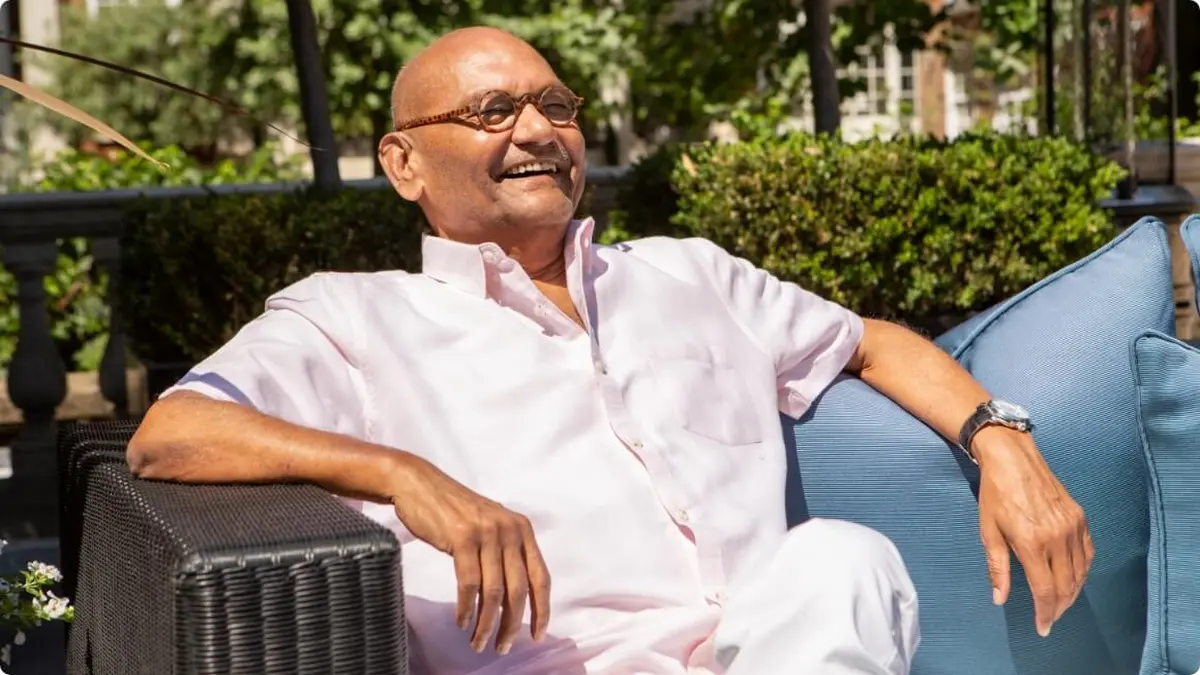
Anil Agarwal started small. He traded scrap metal in Mumbai. His vision, rooted in hard grit, shot through ceilings. Now, he leads a global natural-resources empire. On the surface, this sounds familiar—another rags-to-riches tale. But what truly sets his story apart is his strategic clarity. He dreams in systems, not sales.
In 2025, Vedanta announced its bold “3D” plan—demerger, diversification, deleveraging. Agarwal aims to split the giant into focused $100-billion businesses in aluminium, oil and gas, power, steel, zinc and silver. That’s not just ambition. It’s a masterpiece of modern value-unlocking design.
Why does this matter for India? First, it transforms perception—Vedanta is no longer a one-trick mine owner. It becomes an incubator for 1,000 tech startups. That plugs rural, mineral-rich India into the global innovation ecosystem. Consider Maharashtra’s bauxite belt evolving into a tech hub. Or Bihar’s critical-mineral finds spurring local labs. It shifts the story from extraction to innovation.
Second, it deepens a lesson in financial stewardship. Between FY23 and FY25, Vedanta slashed $4 billion in debt. Its credit ratings rose. It built a ₹33,000-crore cash buffer to fuel growth. There’s elegance in such discipline. Leaders often chase expansion by borrowing. Agarwal taught us to grow and de-risk simultaneously.
Third, Vedanta’s purpose stretches beyond profit. Its Anil Agarwal Foundation invested ₹2,000 crore over five years, aimed at 50 million lives across 1,300 villages. Its flagship Nand Ghar initiative modernises 8,000 anganwadis across 14 states. This isn’t philanthropy alone. It is nation-building through sustained human capital investment. It’s a template Indian CEOs can follow—pursue profit, yes, but also deep social change.
Fourth, his renewable pivot teaches resilience. Vedanta plans to source 30% of aluminium power from renewables by 2030—up from 5% today. It walked away from coal-capacity additions. That signals leadership rooted in principled, not opportunistic, green transition.
As an Indian reader, you may wonder—what happens in remote tribal districts of Assam or Arunachal? Vedanta is investing ₹80,000 crore in the Northeast, targeting 100,000 new jobs across oil, gas, power, fibre and data centres. That is corporate India’s deliberate step into geographies often ignored. It tells us that growth is not just urban—it can be Bharat.
Look closer at numbers. FY25 topline hit ₹1.50 lakh crore. EBITDA reached ₹43,541 crore with 34% margins. Its aluminium and zinc units are top global cost performers. That’s not luck. It’s operational mastery.
Yet controversy shadows this rise. A US short-seller likened Vedanta’s structure to a “Ponzi-scheme” and its stock dropped 3%. That triggered a strong rebuttal. But here lies Agarwal’s leadership test—challenges arrive; strong structure, transparency and swift responses keep the drive forward.
What’s the deeper lesson? High growth without audacious experimentation is shallow. But experimentation without financial discipline is reckless. Agarwal balanced both. He bets big on innovation and expansion, yet pulls levers of prudence when needed.
If you’re a young Indian professional or entrepreneur, look at his playbook. Dare to build at scale. Invest in social infrastructure—not because it’s nice, but because real societies power long-run economies. Embed discipline in structure—debt is a tool, not a lifeline.
Agarwal’s journey nudges us to reconsider ownership culture. He didn’t just inherit wealth. He built everything from scratch. His strategy transcended industry norms; it disrupted them. He chose to fragment the conglomerate to empower individual units. He refused to be boxed by convention.
His next frontier? Critical minerals. Vedanta explores reserves across Maharashtra, Rajasthan, Karnataka, Bihar, Chhattisgarh and Arunachal, tied to energy transition and electric mobility. This redefines India’s role in global climate action. It shifts us from buyer of resources to provider.
Contrast this with old-school leadership. Too many focus on a single industry or wealth accumulation. They forget that real legacy lies in shifting paradigms. Agarwal reshaped the global mining narrative through reinvention—coal to renewables, one-size to specialised, extraction to ESG-led integrated growth.
So what should the reader learn? Build systems, not stories. One fine deal doesn’t make legacy. Consistent thinking across decades does. Your social context isn’t separate from business—it is the soil. If you uplift communities, they’ll uplift your enterprise in return. Scale matters, but structure sustains. Most importantly, if you want to lead change, do it as if your actions echo for generations.
As India accelerates, companies will sprout. But few will create ecosystems that spin wealth, jobs, green energy, social equity—and then double in size. Few will demystify debt, cleave into pure-play ventures, take risks in unfamiliar sectors, and still maintain margins. This isn’t mere news. It is a living case study in ambitious Indian leadership.
When you read about Agarwal’s ₹80k-crore vision for the Northeast, you aren’t just reading financial news. You are reading about a reweaving of India’s development story—from sluggish backwaters to innovation pipelines. When you see Vedanta turn coal farms into solar grids, you see India stepping into a cleaner tomorrow. When you hear of Nand Ghar, you glimpse future generations who begin life healthier, educated, empowered.
This is why you should return to Deshwale. Every time Vedanta charts a new course, readers can ask: what does this say about India’s future of work, resources, wealth, equity? And more importantly: what can I build from my own small corner? In that lies the power of a story that is different, memorable, stirring.
In reflective moments, we realise leadership isn’t about big talk. It is about structures that outlive speeches. Anil Agarwal built one. Vedanta grew inside it. Their growth helps lift India’s image. Their discipline inspires.
India needs more leaders who step out of comfort zones and rewire systems. Agarwal didn’t just grow Vedanta. He reshaped what growth in India means today. For global investors, entrepreneurs and students, that is the most potent lesson of all.


