











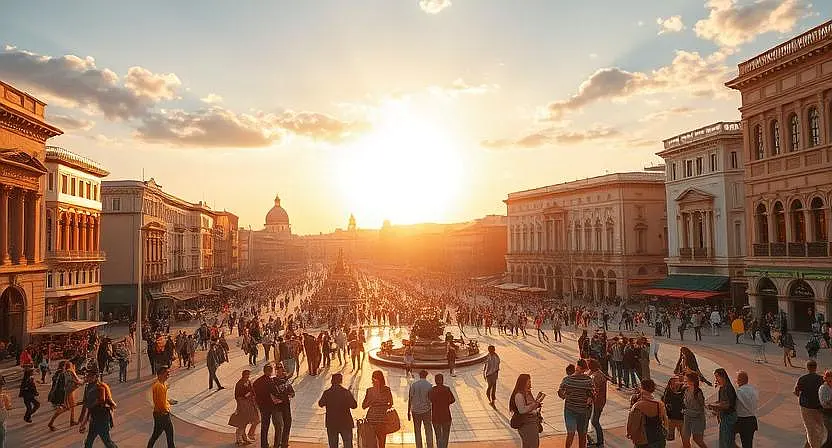
Imagine walking through a lively street. People speak different languages, follow different customs, yet live in harmony. An immigrant family runs a café where everyone feels welcome. A same-sex couple walks freely without fear. A mosque, church, and temple stand side by side. This isn’t a dream. It’s a reality in some of the world’s most tolerant nations.

But what makes a country truly tolerant? Is it just about having no conflict? Or strong laws that protect rights? True tolerance goes beyond that. It’s about celebrating diversity. It’s about open dialogue. It’s about seeing differences as strengths, not threats.
Some nations have built an identity around acceptance. Their policies, history, and culture foster inclusivity. They don’t just tolerate diversity—they embrace it. Let’s explore the countries that lead the way in global tolerance.
What Defines Tolerance?
Tolerance is more than just coexisting. According to UNESCO, it means respect, acceptance, and appreciation of the world’s rich cultures and ways of life. It appears in different ways:
- Legal Protections: Strong laws against discrimination based on race, gender, religion, sexuality, or disability.
- Social Attitudes: People accept different lifestyles, identities, and traditions.
- Freedom of Expression: Everyone can speak, live, and love freely without fear.
- Inclusivity in Policies: Governments actively promote diversity in education, work, and public life.
Interestingly, tolerance isn’t tied to wealth. Some small nations with diverse histories thrive in acceptance, while some developed nations still struggle with prejudice.
Here are ten countries that consistently rank high in global tolerance indexes like the Global Peace Index, the World Happiness Report, and the Social Progress Index:


- Canada – A true multicultural mosaic. People from different cultures live as they are, without pressure to assimilate. Toronto, one of the world’s most diverse cities, has entire neighborhoods representing different nationalities. Over 20% of Canada’s population is foreign-born.

- Sweden – A global leader in gender equality and LGBTQ+ rights. Progressive policies promote inclusion. Though immigration debates exist, Sweden works hard to integrate refugees and combat discrimination.
- New Zealand – Deeply respects Indigenous Maori culture. The government protects marginalized groups and emphasizes mental well-being. After the 2019 Christchurch mosque attacks, New Zealand showed the world what unity and compassion look like.
- The Netherlands – First country to legalize same-sex marriage in 2001. Known for liberal policies on drug decriminalization and sex work. Amsterdam’s free-spirited culture reflects the country’s deep-rooted belief in personal freedoms.

- Uruguay – South America’s most progressive nation. Legalized same-sex marriage, abortion, and cannabis. A secular government ensures strong religious freedom. Despite its small size, Uruguay sets an example in human rights.
- Portugal – Once conservative, now one of Europe’s most progressive nations. Decriminalized all drugs in 2001, shifting focus to rehabilitation over punishment. LGBTQ+ rights and religious tolerance continue to grow.
- Iceland – Tiny but mighty in inclusivity. Consistently ranks #1 in gender equality. Was the first country to elect an openly gay head of state. Prioritizes mental health and social welfare.
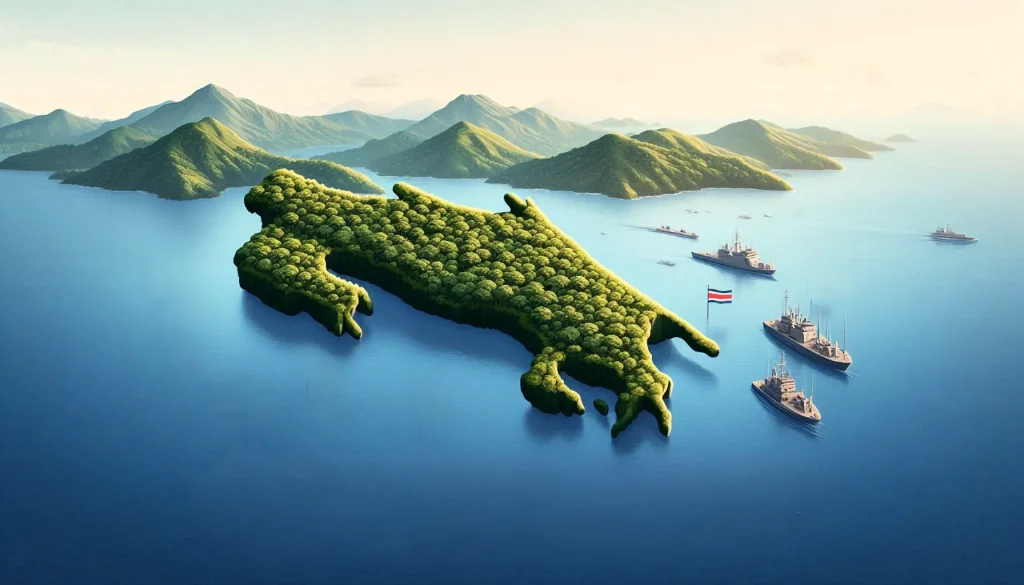
- Costa Rica – Defines peace and harmony. Abolished its military in 1949, investing instead in education and healthcare. Strong environmental and LGBTQ+ protections make it a model of progress.
- Finland – Among the happiest and most inclusive nations. Exceptional education system promotes equality and critical thinking. Social safety nets ensure a high quality of life for all.
- South Africa – A country of transformation. From apartheid to a human rights-driven democracy. First African nation to legalize same-sex marriage. Its constitution strongly protects against discrimination.
What Makes These Countries Stand Out?
Despite their differences, these nations share common traits:
- Strong Democracy: Freedom of speech, press, and peaceful assembly are protected.
- Education for Inclusion: Schools teach equality, critical thinking, and empathy.
- Robust Legal Protections: Strict anti-discrimination laws ensure fairness.
- Social Safety Nets: Accessible healthcare, education, and welfare reduce inequality.
- Open Cultural Mindset: Respect and acceptance are woven into everyday life.
Challenges to Tolerance
No country is perfect. Even the most tolerant nations face issues like:
- Rising Nationalism: Some groups resist immigration and diversity.
- Economic Inequality: Wealth gaps can fuel resentment.
- Misinformation: Social media spreads polarizing narratives.
Tolerance is not a one-time achievement. It requires constant effort, awareness, and action.
Lessons from the Most Tolerant Nations
- Diversity Strengthens Society: Embracing differences leads to creativity and resilience.
- Education is Key: Teaching empathy reduces prejudice.
- Laws Must Be Enforced: Rights need real protection, not just words.
- Dialogue is Essential: Open conversations build understanding.
A Global Message of Tolerance

Tolerance isn’t about erasing differences. It’s about weaving them into the fabric of society. From Canada’s multiculturalism to Sweden’s gender equality to Costa Rica’s peaceful philosophy, these nations show that acceptance isn’t just a moral choice—it’s a path to a better future.
In today’s divided world, their example reminds us of a simple truth: humanity is strongest when united. The journey toward acceptance is ongoing—one step, one law, one act of kindness at a time.


