



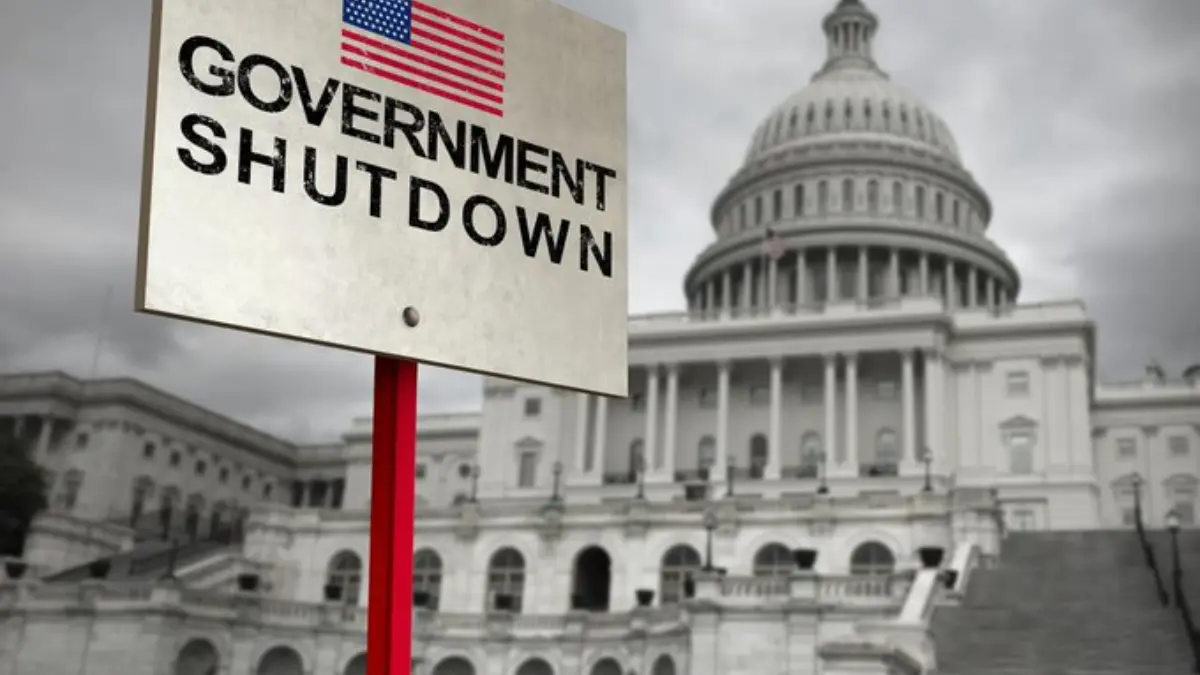
As the clock struck 12:01 a.m. ET on 1 October 2025, much of the federal government went quiet. Without new appropriations from Congress, agencies that rely on annual funding paused non-essential operations. What that means in real life is not just a row of closed offices, but interrupted paychecks, delayed services, and sudden strain on families and small businesses that depend on the federal payroll and federal contracts.
Who feels it first: federal workers and paydays
Under current agency plans, as many as 750,000 federal employees could be furloughed—sent home without pay on any given day of a shutdown. Even for workers who remain at their posts because their roles are “excepted,” the trouble is the same: they often must work without pay until funding is restored.
There is a legal backstop in place, which requires that furloughed employees and those who worked without pay receive retroactive pay once funding is restored. That is important, but it does not erase the immediate hardship of missing a paycheck, arranging childcare, or paying rent while you wait.
Everyday services that can stall
A shutdown does not stop everything. Mandatory programmes and some fee-funded operations typically continue. Social Security and most veterans’ benefits are funded through mandatory spending and are scheduled to be paid on time. Medicare and Medicaid payments are expected to continue, though some administrative and customer-service functions may slow.
Still, several programmes that families rely on are at risk of disruption. For example, WIC (Women, Infants, and Children) could run short of funds if the shutdown persists, which could affect nutrition support for millions. Other programmes, like SNAP (food stamps), are generally considered mandatory and short-term payments are expected to run on schedule, though a prolonged shutdown could create pressure later.
Travel, airports and the ripple effect
Air travellers may see the effects quickly. The Federal Aviation Administration and Transportation Security Administration operate a mix of excepted and furloughed staff. Thousands of FAA employees could be furloughed while air traffic controllers and many TSA officers would be required to work without immediate pay. That staffing imbalance can slow operations and increase delays for travellers.
What continues (and what becomes slow)
Important items that typically continue include Social Security and most entitlement payments, as well as certain fee-funded services like some passport and visa operations. Still, domestic processing and appointment waits could lengthen depending on local staffing.
Routine inspections, research programmes, and non-critical customer service are often paused. Agencies such as the Centers for Disease Control and the National Institutes of Health prioritise emergency work while pausing some research and routine communications. Those pauses can be invisible at first, yet consequential over weeks.
Small businesses, contractors and local economies
Local economies feel shutdowns through two channels. First, when federal workers miss paychecks, they spend less in stores and restaurants. Second, millions of businesses hold contracts with federal agencies. During a shutdown, new procurement actions slow or stop and contract personnel may see delays or cancellations. Small towns near national parks or federal installations can be hit hard; closures of parks and visitor centres reduce tourism income overnight.
What families and workers can do now
If you are a federal worker:
- Check your agency’s contingency plan to see whether you are excepted or furloughed and how benefits will be handled.
- Contact your union or human resources office, which often organise emergency loans and legal resources.
If you are a beneficiary or rely on a government service:
- Confirm benefit schedules with your agency online or via official hotlines.
- If you rely on nutrition programmes or medical services, check state and local providers for contingency plans.
If you are a traveller or have pending transactions:
- Expect possible delays. Airlines, passport units, and immigration offices have published guidance about which services will continue and which may be delayed. Check official pages before travel or important appointments.
The human cost
Facts and figures help quantify the problem, but the real cost is lived. A single missed salary can trigger missed rent, deferred medical care, or squeezed grocery budgets. For small merchants who count on weekday lunch crowds from federal offices, a sudden drop in customers is an immediate hit. For families relying on WIC or similar support, the uncertainty is frightening. Even when back pay is guaranteed later, the disruption today is real.
Where we stand and what to watch
Shutdowns are, by definition, temporary. Lawmakers can end them by passing appropriations or short-term measures that fund agencies. Those decisions are political and often slow. In the meantime, stick to official guidance, check agency websites, and stay updated through reliable news outlets.
