










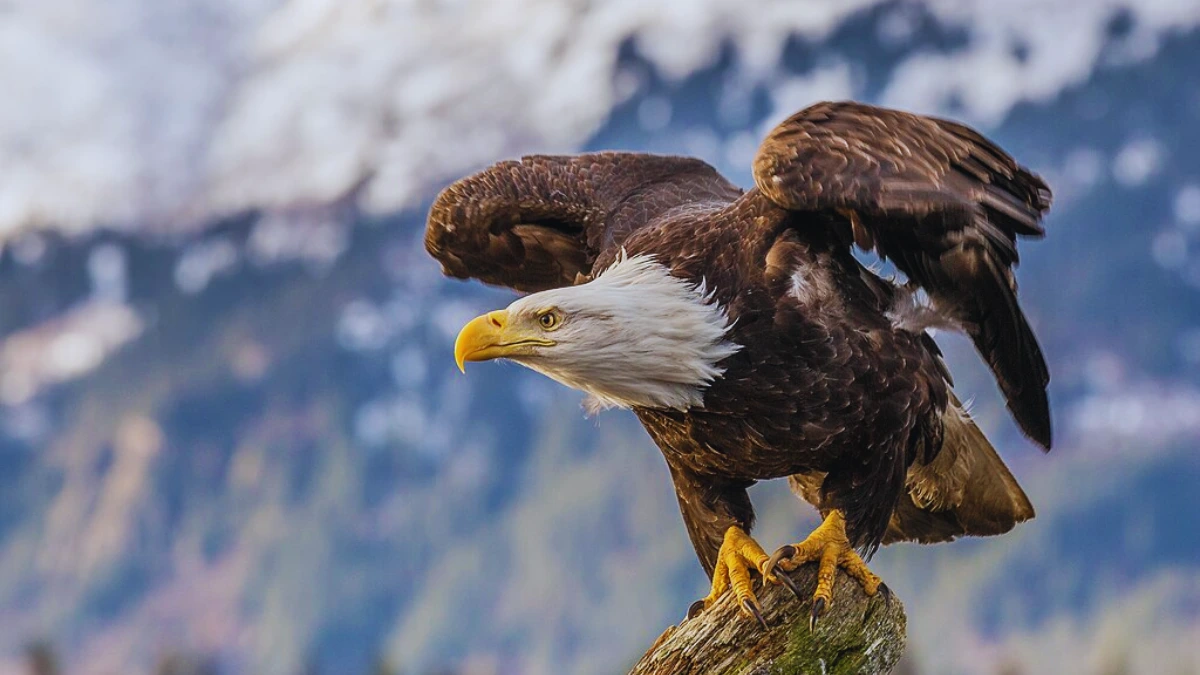
Fierce, majestic, and instantly recognisable, the bald eagle (Haliaeetus leucocephalus) is more than just a national emblem of the United States. Its dramatic recovery from near extinction is one of the most inspiring stories in modern conservation history. Once on the verge of vanishing from the American skies, the bald eagle now soars freely once again, reminding us of what determined action and environmental commitment can achieve.
A Symbol Under Threat
Adopted in 1782 as the official symbol of the United States, the bald eagle came to represent freedom, strength, and resilience. However, by the mid-1900s, this mighty raptor faced a steep decline. Habitat destruction, widespread illegal shooting, and the use of harmful pesticides pushed the species toward disaster.
The pesticide DDT, in particular, played a devastating role. It weakened eggshells, causing them to crack during incubation. By 1963, fewer than 500 nesting pairs remained in the lower 48 states, a shocking drop for a bird that had once filled the skies.
Master of the Skies
Bald eagles are powerful birds of prey with sharp talons, hooked beaks, and exceptional vision. They can detect fish from over a kilometre away and are known for their graceful dives as they snatch prey from lakes, rivers, and coastal waters. Opportunistic feeders, they also scavenge carrion and sometimes steal from other birds, especially ospreys.
Adults are easy to identify with their white heads and tails set against dark brown bodies. Young eagles, however, remain mottled brown until they reach full maturity around the age of five.
Deep Cultural Meaning
For many Native American communities, the bald eagle is not just a bird but a sacred figure. Considered a messenger between humans and the Creator, its feathers are used in spiritual ceremonies, traditional clothing, and regalia. These feathers represent courage, honour, and connection to the divine.
Beyond spiritual meaning, the eagle’s image has appeared on coins, seals, and military insignias, reinforcing its role as a lasting symbol of American identity and power.
Turning the Tide
The tide began to turn in 1972 with the U.S. ban on DDT. That decision marked a turning point in the fight to save the bald eagle. Further protection came through laws like the Bald and Golden Eagle Protection Act and the Endangered Species Act, which protected eagle habitats, reduced human interference, and provided funds for monitoring and research.
Conservation organisations, scientists, and local communities collaborated on breeding, tracking, and habitat restoration projects. As a result, bald eagle numbers surged. In 2007, the species was officially removed from the U.S. federal endangered species list. Today, North America is home to more than 70,000 bald eagles, a remarkable recovery by any measure.
Threats That Still Remain
While the species has bounced back, threats continue. Lead poisoning remains a major concern, often resulting from eagles feeding on animals shot with lead-based ammunition. In addition, the destruction of natural habitats near rivers and lakes reduces available nesting sites.
Other hazards include collisions with vehicles, power lines, and wind turbines. Environmental pollutants like mercury and PCBs also accumulate in the food chain, harming eagle populations over time.
Reducing these risks requires a coordinated approach involving habitat preservation, use of non-toxic ammunition by hunters, and widespread public awareness.
A Legacy of Hope
The story of the bald eagle is more than a wildlife comeback. It is a living example of what is possible when science, law, and public support come together for a common goal. Their return inspires new generations to take up the cause of conservation and protect the planet’s biodiversity.
As President Jimmy Carter once said at the 1978 Bald Eagle Conference, “The fate of the bald eagle is a measure of our willingness to preserve the earth’s diversity for future generations.” That fate, so far, offers hope.


