










Delhi is set to introduce concessional metro passes for students, a move that has been promised many times before but never implemented. This step finally comes after consistent pressure from student bodies and the Delhi University Students Union (DUSU), proving that collective youth action can push governments to act.
Long-standing demand of students
For years, students in Delhi have been asking for affordable public transport. While DTC (Delhi Transport Corporation) buses have offered free or concessional rides for women and students in different phases, Delhi Metro remained outside the reach of many due to high fares. Daily commuters, especially those traveling long distances between their homes and colleges often found metro travel too expensive. This created inequality: some students relied on slower buses while others with more resources could afford metro convenience.
DUSU and student bodies keep the pressure on
The Delhi University Students Union (DUSU) and other student organizations repeatedly raised the issue with the government. They argued that high transport costs directly impact access to education, as students spend a big part of their pocket money or family income just on travel. DUSU organized campaigns, protests, and formal representations. This sustained pressure kept the issue alive in the public domain and forced the government to acknowledge it.
Government’s response to youth voices
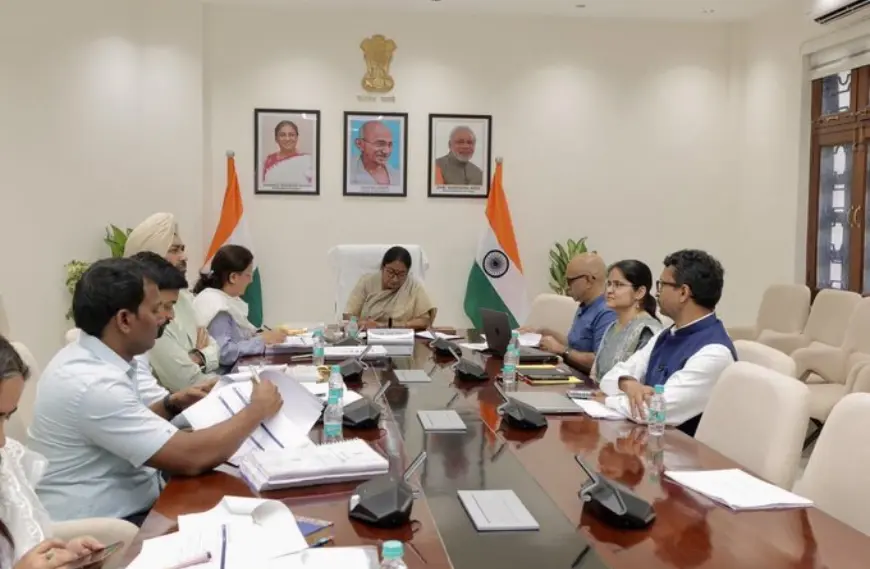
Delhi Chief Minister Rekha Gupta recently announced that concessional passes for students would be implemented soon. The timing of this announcement shows that student power can shape government decisions. It also reflects a recognition that policies around youth and education cannot ignore the financial challenges of daily commuting in a city like Delhi.
Delhi Metro is the city’s backbone, carrying lakhs of passengers every day. For students, it means faster, safer, and more reliable travel compared to overcrowded buses. But fares often discourage regular use. A concessional pass will bridge the gap between affordability and accessibility, ensuring students can use the metro without worrying about costs. This also improves punctuality, reduces travel stress, and expands students’ ability to choose colleges beyond their local areas.
Impact on Education Access
Transport costs may sound like a small issue, but for many families in Delhi and NCR, they add up to a big burden. Students from middle-class and lower-income households often limit their college choices to reduce travel expenses. With concessional metro passes, students can pursue courses and colleges that match their interests, not just those closest to home. This move can widen access to quality education across the city.
A Win for Collective Action
The success of this demand proves that collective student voices matter. While one individual may be ignored, organized groups like DUSU have the power to influence governance. Their sustained campaigns ensured that the issue was not forgotten and that the government eventually had to respond.
Broader Message: Youth Participation in Governance
This development also sends a larger signal: youth participation in governance is essential. Students are not just future citizens, they are present-day stakeholders in urban policy. Affordable transport, housing, jobs, and education are issues where student voices bring real change. The concessional metro pass is one such example of youth shaping public policy.
Next Steps and Expectations
While the announcement is welcome, students will closely watch when and how the scheme is implemented. Key questions remain:
- What will be the exact discount percentage?
- Will it cover all student categories, including school, college, and university students?
- Will there be a monthly or yearly pass option?
Students expect clarity on these details soon, and their organizations will likely continue to hold the government accountable.
The concessional metro pass is more than just a travel scheme, it is a symbol of student power. It shows how persistent advocacy can convert long-pending demands into real action. For students in Delhi, it means easier travel and better access to education. For governance in India, it’s a reminder that listening to youth is not optional, it’s necessary.


