









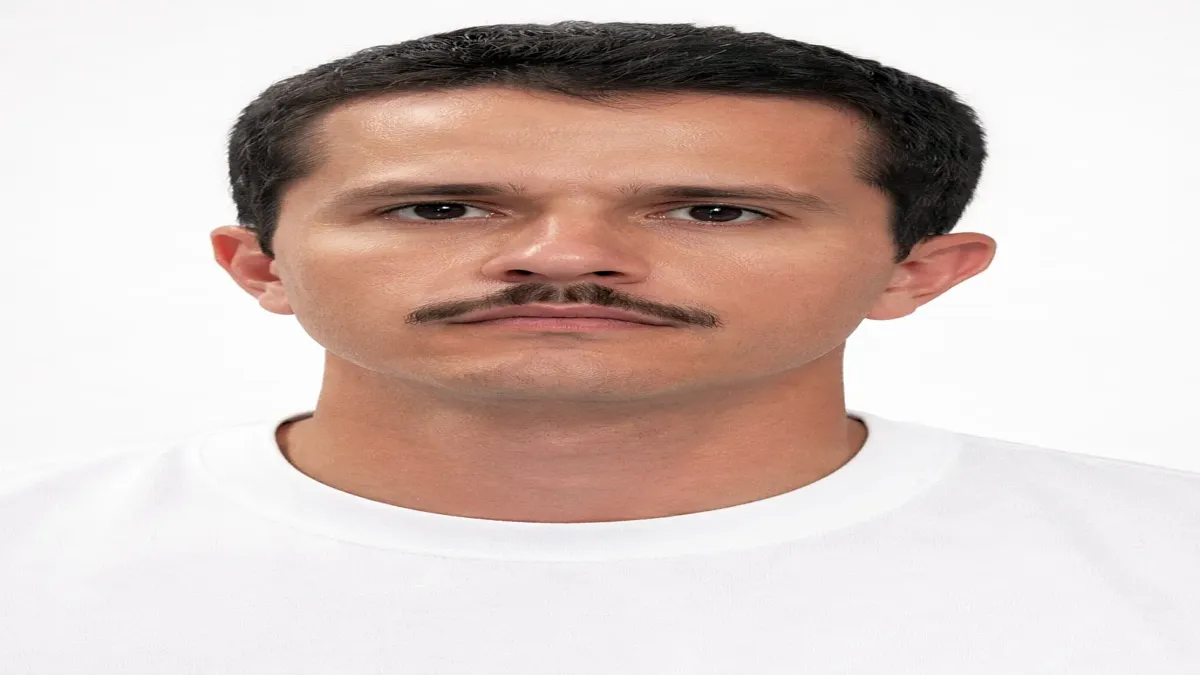
How a barefoot boy from Michoacán became the world’s most feared narco and why his death may change nothing
The pine forests above Tapalpa stood still at dawn on February 22, 2026, patient as old men waiting for the sun. until gunfire shattered the silence.
Residents first mistook it for fireworks. Then the shooting continued. By the time church bells should have rung for morning Mass, a convoy was descending the mountain road. Inside one vehicle lay Nemesio Rubén Oseguera Cervantes. El Mencho, bleeding heavily, bound for a hospital he would never reach.
He was 59. The United States had offered $15 million for information leading to his capture. His son was serving life in an American prison. His empire had devoured his bloodline. Mexico exhaled, then braced.
Where Boys Become Ghosts
To understand El Mencho, you begin in Aguililla, Michoacán, a region where poverty narrows choices to almost nothing. Born July 17, 1966, into a campesino family, Nemesio left school early. Hunger clarified priorities. In the 1980s he crossed into California, picking strawberries, washing dishes, learning English by necessity. He also learned the mechanics of cross-border trafficking, the mathematics of supply and demand that would define his life.
Arrested multiple times, he served prison time before being deported in the 1990s. Then came an irony: he became a municipal police officer in Tomatlán, Jalisco. The badge was an education. He learned how police communicate, where corruption lives, how institutions fail. He would later weaponise that knowledge.
The Education of a Killer
His ascent was patient, not spectacular. He joined the Milenio Cartel as an enforcer, earning a reputation for methodical brutality. Known as ‘El Mata Zetas’ for his war against Los Zetas, and ‘El Señor de los Gallos’ for his love of cockfighting, he built both fear and loyalty.
When the Milenio Cartel fractured around 2009, he seized the moment. He rebranded his faction the Cartel de Jalisco Nueva Generación, CJNG, signalling a new era of violence. In 2011, the CJNG announced itself by dumping 35 bodies on a Guadalajara highway. The message: we are here, and we are not afraid. The wars that followed became among the bloodiest in modern Mexican history.
The Man Who Was Not There
Unlike Joaquín ‘El Chapo’ Guzmán, who courted publicity and myth, El Mencho chose invisibility. He avoided interviews, rarely appeared in photographs, moved constantly, trusted almost no one. He built a cartel designed to function without him.
The DEA assessed CJNG as rivalling the Sinaloa Cartel in power, with confirmed presence across all 50 US states and networks in Europe, Asia and Australia. Its core product: fentanyl – cheap, synthetic and devastating. Experts attribute a significant share of US overdose deaths to CJNG supply chains.
But drugs were only part of the portfolio. The cartel diversified into fuel theft, avocado extortion, migrant smuggling and weapons trafficking. In February 2025, the Trump administration designated CJNG a foreign terrorist organisation, formalising what many Mexicans already knew: this was an army.
In 2015, CJNG shot down a Mexican Army helicopter. It deployed explosive drones and armoured vehicles. In June 2020, gunmen ambushed Mexico City police chief Omar García Harfuch in broad daylight. He survived and later became Secretary of Security under President Claudia Sheinbaum, one of the officials who oversaw the operation that killed El Mencho.

The Bloodline
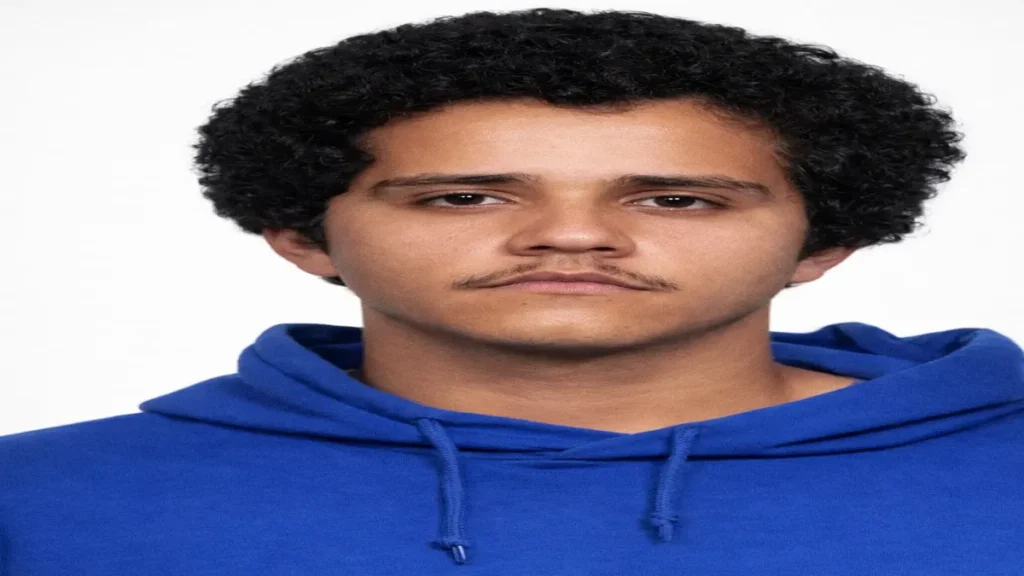
Like many empire-builders, he tried to build a dynasty. His son, Rubén Oseguera González, ‘El Menchito’, was groomed as successor. Arrested, extradited and sentenced to life in 2025, he now lives behind American prison glass. Other relatives have faced imprisonment or prosecution. By February 2026, El Mencho had outlasted them in freedom, a patriarch without an heir. But while blood relatives fell, loyal lieutenants remained armed and operational.
The Long Hunt
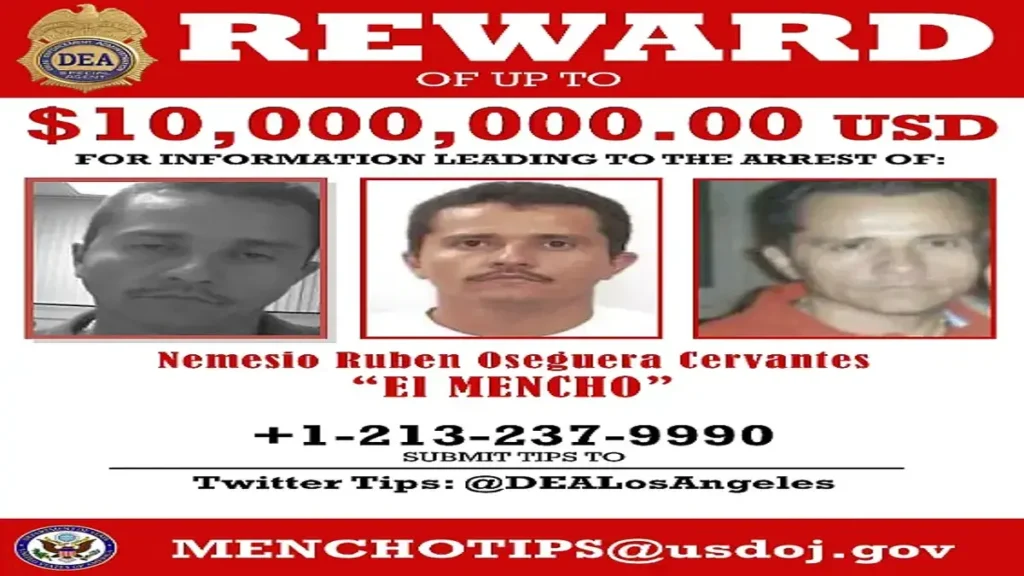
For years, the $15 million reward generated near misses. He was not mythical, just careful. On February 22, 2026, Mexican Army units, acting on intelligence coordinated with US authorities, converged near Tapalpa. The firefight was brief and intense. Four CJNG members died; three soldiers were wounded. Weapons were seized.
El Mencho was struck by gunfire. He died en route to Mexico City.
What the Fire Reveals
Within hours, CJNG demonstrated contingency planning. Vehicles burned across Jalisco and neighbouring states. Highways were blocked. Guadalajara fell silent. Smoke drifted over Puerto Vallarta. Air Canada suspended flights. The US Embassy issued shelter-in-place advisories. National Guard members and prison officials were killed in related violence.
President Sheinbaum acknowledged unrest but insisted most of the country remained under control. US Deputy Secretary of State Christopher Landau called the killing a major development for global security. Both statements can be true and incomplete.
The Succession Trap
History warns against optimism. When El Chapo was imprisoned in 2019, Sinaloa fractured into violent factions rather than collapsing. CJNG now faces similar pressures. With no clear successor, regional bosses must negotiate power. Analysts warn fragmentation may intensify violence rather than diminish it.
Kingpins die. Cartels adapt. The Medellín Cartel did not end Colombian crime with Pablo Escobar’s death. Sinaloa survived El Chapo. Organisations embedded in poverty, corruption and global demand do not disappear — they mutate.
The Boy Who Never Left
For all his global reach, El Mencho never left Aguililla in spirit. The hunger, distrust and belief that institutions serve the powerful – those lessons remained. He became both a product and an accelerator of systemic failure. The operation that killed him required courage and coordination. It deserves recognition. But the structural conditions that produced him persist.
Aguililla remains poor. Young men still face the same calculus: fields that pay little, or an underworld that offers everything in exchange for everything.
The Ghost in the Grave
El Mencho spent his life without a public face. In death, he has one. What remains is the harder reckoning: a fentanyl crisis that did not end on February 22, a cartel still armed and financed, a system still generating recruits.
He was one man. His death cannot dismantle the machinery that created him. The forests above Tapalpa will fall silent again. Tourists will return. Church bells will ring. But somewhere in the mountains, another barefoot boy is growing up under the same horizon.
El Mencho is dead. The conditions that made him are not.
Subscribe Deshwale on YouTube


