



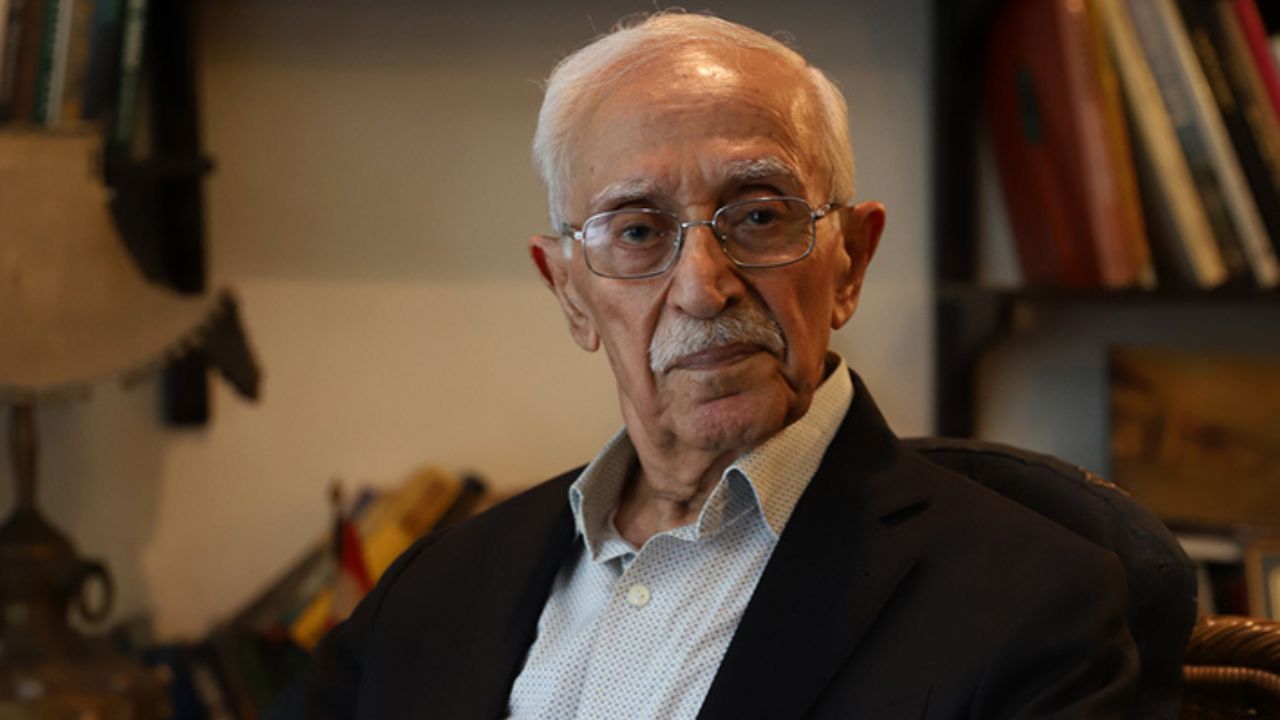
Former Army Chief General Vishwa Nath Sharma, who led the Indian Army from 1988 to 1990 and served in the 1965 Indo-Pak War, passed away on Friday at the age of 96. His death marks the end of a remarkable military career spanning four decades and leaves behind a legacy of courage, leadership and service to the nation.
General Sharma was commissioned into the 16 Light Cavalry on June 4, 1950, after completing his training at the Indian Military Academy in Dehradun. During the 1965 Indo-Pak War, he served as a Major in the Lahore sector, where he actively took part in military operations. Over the years, he held several important command and staff appointments, leading armoured regiments, mountain brigades and divisions across different parts of the country.
A distinguished military career
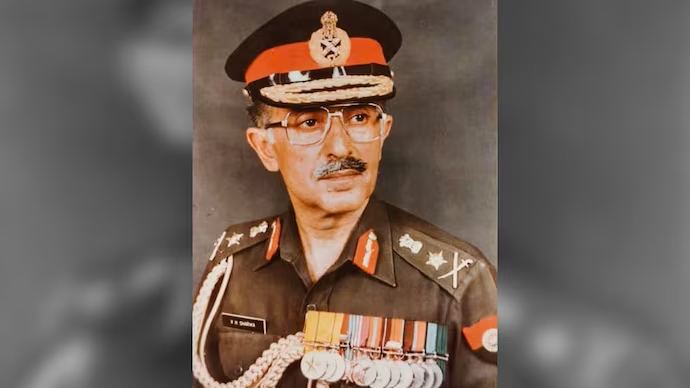
Following his service in the 1965 war, General Sharma continued to rise through the ranks. He commanded a mountain brigade in an insurgency-hit region and later led an armoured brigade in the Rajasthan desert. In 1980, he was promoted to Major General and commanded a mountain division in the western sector before becoming a Lieutenant General in 1984. He took over as the Chief of the Army Staff on June 30, 1988, serving until June 30, 1990.
For his exceptional service, he was awarded the Ati Vishisht Seva Medal (AVSM) and later the Param Vishisht Seva Medal (PVSM), two of the country’s highest peacetime military honours.
Tributes pour in
The Indian Army, led by Chief of Army Staff General Dhiraj Seth, expressed deep sorrow over his passing. In a statement, the Army extended its heartfelt condolences to General Sharma’s family and remembered him as a distinguished military leader who served the nation with dedication and honour.
Defence Minister Rajnath Singh also paid tribute, describing General Sharma as a courageous leader whose contribution to the Indian Army and the country would always be remembered.
A family dedicated to the nation
Born on June 4, 1930, General Vishwa Nath Sharma came from one of India’s most respected military families. He was the younger brother of Major Som Nath Sharma, Independent India’s first recipient of the Param Vir Chakra. The family produced three Army generals over two generations, reflecting an extraordinary tradition of service to the nation.
General Sharma’s life was defined by discipline, leadership and unwavering commitment to the armed forces. From the battlefields of the 1965 war to leading the Indian Army as its Chief, his contribution to the country’s defence will continue to be remembered for generations.
