










A Looming Catastrophe
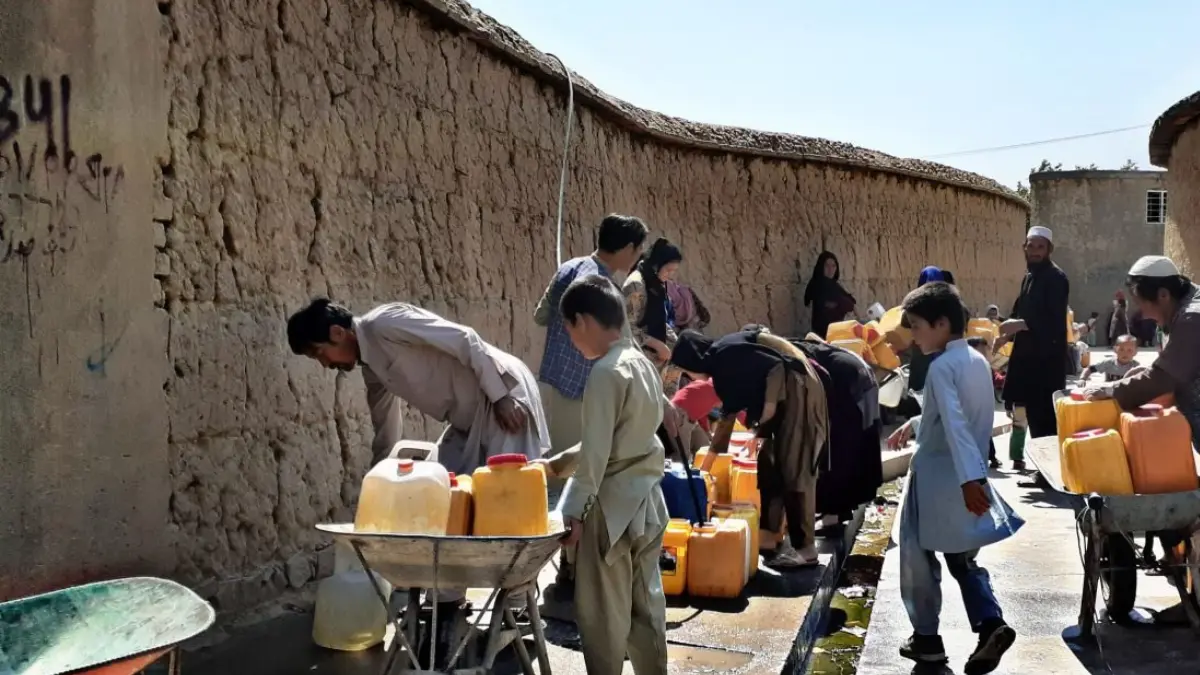
Kabul, Afghanistan’s vibrant capital, home to over 6 million people, faces an unprecedented crisis: it could become the world’s first modern capital to exhaust its water supply. Groundwater levels have plummeted by 25–30 metres over the past decade, with nearly half of the city’s boreholes, its primary drinking water source – already dry. This crisis stems from a deadly mix of rapid population growth, climate change, and governance failures, threatening a humanitarian disaster with regional implications.
Kabul’s plight resonates deeply with Indian readers, as India grapples with its own water stress, rapid urbanisation, and climate challenges. The city’s trajectory serves as a cautionary tale for South Asia, where water scarcity could destabilise urban centres. India’s strategic involvement in Afghanistan’s water sector further underscores the crisis’s relevance, intertwining humanitarian concerns with geopolitical strategy.
Historical Context: Water Management in Kabul
Kabul’s water management history reflects a blend of innovation, external influence, and disruption. In the 1860s, modern hydraulic technology emerged in elite residences, with piped water systems and dams appearing by the early 20th century. For instance, Habibullah (r. 1901–1919) introduced steel pipes to transport water from the Paghman River and built the Jabal al-Seraj hydroelectric station in 1911, primarily serving the elite.
The mid-20th century saw international involvement, with the US and Soviet Union funding projects like the Kajaki and Dahla dams. Post-independence from British India in 1919, European engineers contributed to developments like the Qargha dam in the 1930s. However, decades of conflict, from the Soviet invasion to the US-led coalition (2001–2021), devastated water infrastructure. Aerial bombardments and environmental contamination, including depleted uranium use, polluted rivers and aquifers, exacerbating today’s crisis.
Recent regimes, including those of Hamid Karzai and Ashraf Ghani, prioritised large dams, such as the Afghan-India Friendship Dam in Herat, completed in 2016. Yet, projects like the Kabul water initiative, backed by a $40 million World Bank grant, faltered due to mismanagement. Unregulated borewell drilling and absent sewage systems highlight persistent governance gaps, a lesson for India’s own urban planning challenges.
The Perfect Storm: Causes of the Crisis
Kabul’s water crisis results from environmental, demographic, and political factors converging disastrously.
Groundwater Depletion
Kabul’s aquifers are depleting rapidly, with extraction exceeding replenishment by 44 million cubic metres annually. The city’s population has surged from 1–2 million in 2000 to 6–7 million today, driving over 100,000 unregulated borewells. Factories and greenhouses further strain aquifers, risking total depletion by 2030.
Climate Change
As the sixth most climate-vulnerable nation, Afghanistan faces recurring droughts and reduced Hindu Kush snowmelt, critical for aquifer recharge. Precipitation from October 2023 to January 2024 was 40–60% below average, intensifying water scarcity.
Infrastructure and Governance Failures
Only 15–20% of Kabul’s households have piped water, forcing reliance on contaminated borewells. Up to 80% of groundwater contains sewage, arsenic, and nitrates, posing severe health risks. Governance failures, including the loss of 40% of the National Environmental Protection Agency’s staff, exacerbate unregulated extraction and pollution. This “Tragedy of the Commons” reflects a lack of regulatory oversight, a challenge India also faces in managing its water resources.
Political and Economic Hurdles
Since the Taliban’s 2021 takeover, $3 billion in water and sanitation funding has been frozen, stalling infrastructure repairs. Private water companies exploit the gap, charging households 400–500 Afghanis ($6–7) weekly, often exceeding food costs. This drives 68% of households into debt at 15–20% monthly interest, deepening poverty.
Socio-Economic and Health Impacts
The crisis transforms water into an unaffordable luxury, with dire consequences.
Economic Strain
Households spend 15–30% of their income on water, with over half prioritising it over food. This financial burden traps families in debt, mirroring challenges in India’s water-stressed regions.
Impact on Women and Girls
Women and girls bear the brunt, spending hours fetching water, often at great personal risk. This limits education and income opportunities, perpetuating poverty and gender inequality—a pattern seen in parts of rural India.
Health Crisis
Contaminated water fuels cholera, typhoid, and diarrheal diseases, particularly affecting children and the elderly. School and healthcare centre closures worsen the situation, straining Afghanistan’s fragile health system.
Community Tensions and Displacement
Water scarcity sparks conflicts, with 40% of surveyed communities citing it as a primary tension source. By 2030, up to 3 million people could be displaced, potentially affecting India through regional migration pressures.
Environmental Degradation
Polluted rivers, like the Kabul River, threaten agriculture and aquatic life, with wastewater irrigation raising food safety concerns – a reminder of India’s own river pollution challenges.
Pathways to Resilience
Addressing Kabul’s crisis requires urgent, multi-faceted solutions.
Major Infrastructure Projects
- Shahtoot Dam: This $236 million India-funded project, signed in 2021, aims to supply water to 2 million Kabul residents and irrigate 4,000 hectares. Delays due to funding and political issues, including alleged Pakistani objections, threaten its 2027 completion.
- Panjshir River Pipeline: This 200-km pipeline could divert 100 million cubic metres annually to Kabul. Designed by late 2024, it awaits $170 million in funding.
Local and International Efforts
UN agencies, Mercy Corps, and Afghanaid implement water conservation and sanitation programs. The FAO’s 2024 initiatives include 2 million water trenches and 2,275 check dams to enhance groundwater recharge. The ICRC has upgraded pumps and wells, benefiting thousands.
Funding Challenges
Only $8.4 million of the $264 million needed for water programs has been funded in 2025, highlighting the need for renewed international support. Sustainable practices like aquifer recharge and modernised pipes are critical but require political will and global cooperation.
India’s Strategic Role
India’s involvement in Afghanistan’s water sector blends humanitarian and strategic goals. The Afghan-India Friendship Dam, inaugurated in 2016, showcases India’s commitment. The Shahtoot Dam project reinforces this, but its impact on the Kabul River, part of the Indus basin, raises Pakistani concerns about downstream water flows. This positions water as a geopolitical tool, with India’s support for Afghan projects potentially countering Pakistan’s influence while fostering regional ties.
For India, Kabul’s crisis highlights shared vulnerabilities. With 31% of global GDP exposed to water stress by 2050, India must prioritise sustainable water management. Potential migration from Afghanistan underscores the need for regional cooperation. India’s investments in Afghan water infrastructure serve dual purposes: addressing humanitarian needs and strengthening strategic influence in South Asia.
Kabul’s water crisis is a humanitarian tragedy and a global warning. Without urgent action, millions face disease, poverty, and displacement, with ripple effects across South Asia. India’s role, from funding dams to navigating geopolitical tensions, is pivotal. The crisis demands collaborative solutions, combining infrastructure, governance reform, and international aid to ensure water security. For India, it’s a chance to lead in regional stability and learn critical lessons for its own water challenges, reinforcing the need for sustainable, equitable water management across South Asia.


