



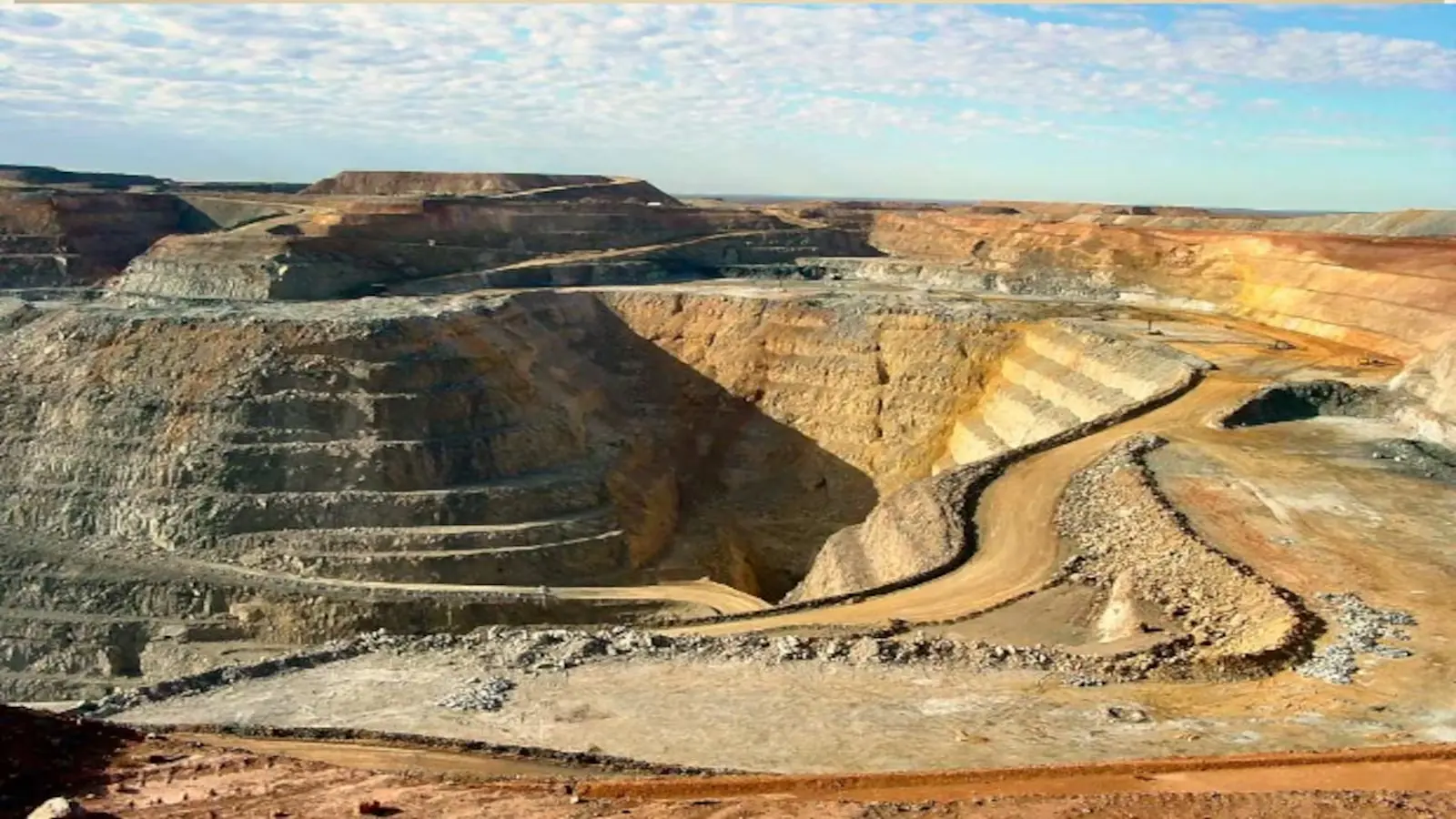
Once the glittering crown of India’s gold production, Kolar Gold Fields (KGF) is preparing for a dazzling comeback. After lying dormant for over two decades, the century-old mining town is poised to re-enter the national spotlight with the potential recovery of gold and platinum-group elements worth an estimated ₹30,000 crore from its tailing dumps.
From Abandonment to Auction
Closed in 2001 due to soaring costs and declining yields, KGF’s 13 tailing dumps—spanning over 1,000 acres—contain 32 million tonnes of residue from historic mining operations. These toxic “cyanide hills” once symbolised industrial collapse. Today, they represent economic opportunity.
In June 2024, the Karnataka Cabinet approved their auction under the Mines and Minerals (Development and Regulation) Act, with SBI Caps managing the project. What sets this revival apart is the use of a cyanide-free extraction method, developed by the Non-Ferrous Materials Technology Development Centre (NFTDC), promising both safety and sustainability.
A Legacy Reimagined
KGF isn’t just about gold—it’s a town rich in history. It was India’s first electrified city in 1902, powered by a hydroelectric plant 220 km away. Known as “Mini England,” its colonial-era bungalows, golf clubs, and cosmopolitan workforce once made it a unique cultural hub. At its peak, it produced 95% of India’s gold.
Yet, after nationalisation in the 1970s, inefficiency and poor investment eroded its foundations. When the mines shut down, 30,000 workers lost their livelihoods. Tunnels flooded, machinery rusted, and the vibrant town fell into decay. Generations of miners were left with pensions as low as ₹650, and toxic waste became a daily threat to public health.
Gold in the Dumps
A 2021 study revised estimates, showing 2 grams of gold per tonne of waste, double earlier calculations. The tailing dumps also hold traces of palladium, rhodium, and tungsten, potentially making this one of India’s richest untapped mineral zones. The projected 750 kg of gold per year could significantly boost the country’s current output of 1.6 tonnes.
Beyond gold, experts say 27 unmined lodes in the region could yield up to 100 tonnes annually—making KGF a strategic asset in India’s push toward self-reliance in minerals.
Challenges and Concerns
While excitement grows, hurdles remain. The underground shafts—some stretching over 3,200 metres deep—are waterlogged and unsafe. Obsolete hoisting systems must be replaced. Locals, still scarred by broken promises, demand transparent auctions, fair compensation, and ecological accountability.
There’s also skepticism around the government’s promises. Former miners like K. Subramani voice concern: “They promised us Rs 3,000, gave Rs 650. Now they promise revival. Will they deliver?”
A National Opportunity
With global gold prices soaring and demand in India averaging 774 tonnes a year, KGF’s resurrection aligns with both economic and strategic goals. Officials anticipate strong interest from private firms, PSUs like Hutti Gold Mines, and even international bidders. The expected auction value could hit ₹36,000 crore, if commodity prices rise further.
Beyond numbers, the revival could generate thousands of jobs in mining, metallurgy, geology, and infrastructure, offering new life to the youth of Robertsonpet, many of whom now migrate to Bengaluru for work.
Looking Forward
Union Minister Pralhad Joshi hailed the revival as a step toward “Aatmanirbhar Bharat,” while experts urge caution and comprehensive planning. “We must learn from past failures,” says Dr. Unnikrishnan, a mining advisor. “No shortcuts, no pollution, no broken promises.”
KGF’s return isn’t just about minerals—it’s about reclaiming dignity for its people, honouring its legacy, and setting a new benchmark for responsible mining in India.
