










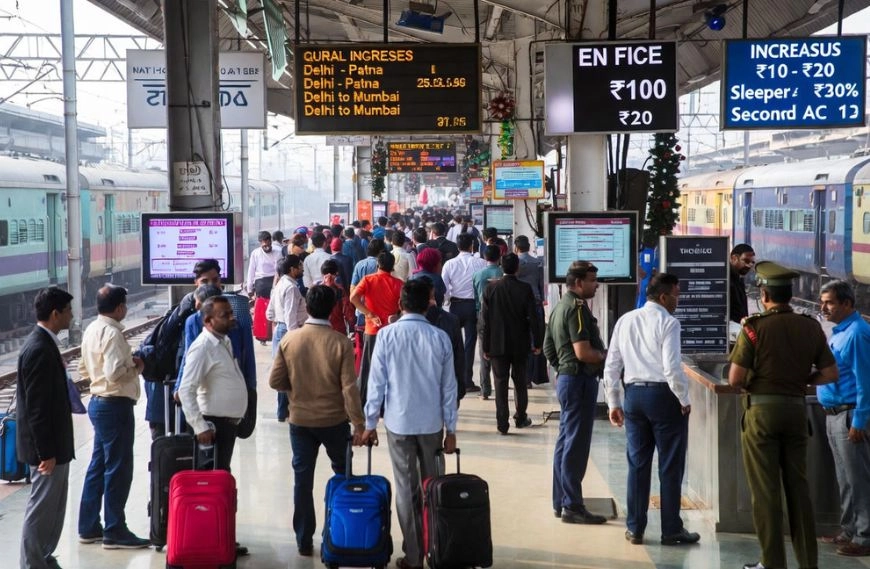
From December 26, Indian Railways has implemented a fare increase for long-distance train journeys across the country. Although the hike is small on a per-kilometre basis, it can make a noticeable difference for passengers travelling on major routes. For instance, a trip from Delhi to Patna or Delhi to Mumbai may now cost between ₹10 and ₹20 more than before. This change applies to different classes of travel, including sleeper, third AC, and second AC, affecting millions of long-distance travellers who rely on trains for work, family visits, or holidays.
The increase comes at a time when travel demand is high due to the holiday season. Many people are booking tickets for Christmas, New Year, or winter vacations, making the timing significant. Railways officials have stated that the fare revision is necessary to keep up with rising operational and maintenance costs. Even a small increase per ticket helps the Railways generate revenue that can be used to improve services, maintain coaches, upgrade stations, and enhance passenger safety.
It is important to note that suburban trains and season tickets for daily commuters are not affected by this hike. This means that city travellers who use trains for work or short-distance travel will continue to pay the same fares as before. The exemption provides some relief to millions of people who depend on trains for daily transport. However, for long-distance passengers, even a small increase can feel significant when added to the total cost of a journey, especially for families travelling together or groups going on holiday.
Experts suggest that travellers planning long trips should book their tickets in advance to avoid paying higher fares. Tickets booked before December 26 will still be charged at the old rates, providing an opportunity for passengers to save a little. Frequent travellers may also need to adjust their budgets slightly to accommodate the fare increase, particularly on popular routes where ticket demand is already high.
Overall, the fare revision is modest but noticeable for long-distance travellers. It highlights the balance the Indian Railways is trying to maintain between affordability for passengers and financial sustainability for operations. While daily commuters remain largely unaffected, those travelling across states will need to be aware of the new prices and plan their journeys accordingly. This small increase serves as a reminder that even minor changes in public transport costs can impact travellers’ budgets, particularly during busy travel seasons.
Subscribe Deshwale on YouTube


