






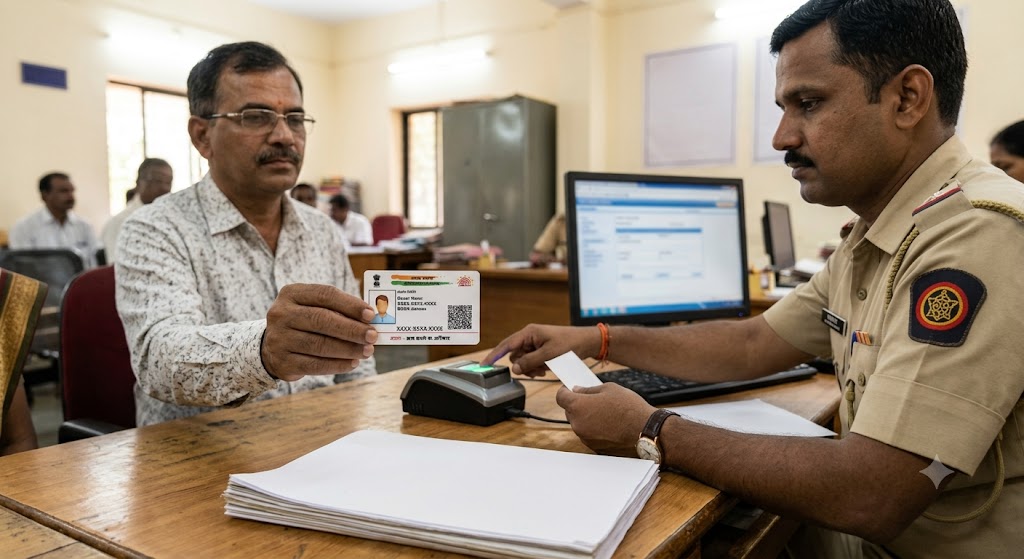
For many Indians, buying a house is much more than a financial transaction. It is the result of years of savings, hard work and family dreams. But when property fraud enters the picture, that dream can quickly turn into a legal and financial headache. Fake identities, forged documents and fake witnesses have long been concerns in property transactions.
Now, Maharashtra is changing the way property documents are registered.
From October 1, Aadhaar authentication has become mandatory for the registration of immovable property documents in Maharashtra. The new requirement covers 63 types of registrations, including property sale, purchase, mortgage and partition deeds.
Why has Maharashtra introduced this rule?
The main purpose of the new system is to strengthen identity verification during property transactions. Revenue Minister Chandrashekhar Bawankule said the move is intended to prevent fraudulent practices involving fake parties and witnesses.
Property registration involves large amounts of money and important legal rights. If someone manages to impersonate the actual owner or uses a false identity during the process, the consequences can be serious. A transaction that appears genuine on paper can later become the centre of a long-running dispute.
The government expects Aadhaar-based authentication to make such impersonation more difficult and reduce the scope for fraud.
What happens if someone does not have Aadhaar?
The new requirement does not simply shut the door on people who do not have an Aadhaar number.
According to the provisions, a person who does not have Aadhaar can submit proof that they have applied for it along with other government-issued identity documents. They may also have to provide documents establishing their relationship with the concerned person in the transaction.
The registration will proceed only after the submitted identity details and documents have been verified.
What about children?
The notification also includes special provisions for people below 18 years of age.
In such cases, an Aadhaar enrolment application can be made with the consent of the child’s parents or legal guardian. The government has also clarified that a child or eligible beneficiary will not be denied the benefit of document registration merely because an Aadhaar number is not available.
More than just another government document
The interesting part of this change is that it is really about trust, not just Aadhaar. A property transaction may involve paperwork, signatures and government fees, but behind all of that is something much more personal: the belief that the person selling the property is genuinely the owner and that everyone involved in the deal is who they claim to be.
A home is often the biggest asset a family owns. For some, it represents decades of savings. For others, a piece of land may be something inherited from parents or grandparents. When ownership is challenged because of identity fraud, the damage can go far beyond money.
The Maharashtra government’s new system is therefore aimed at putting an additional identity check into one of the country’s most important financial transactions.
The real test, however, will be in its implementation. If authentication makes genuine transactions safer without creating unnecessary difficulties for citizens, it could make the property registration process more transparent and secure.
For anyone planning to buy, sell, mortgage or partition immovable property in Maharashtra, checking Aadhaar and other identity documents before visiting the registration office will now be an important part of preparing for the transaction.
Subscribe Deshwale on YouTube


