










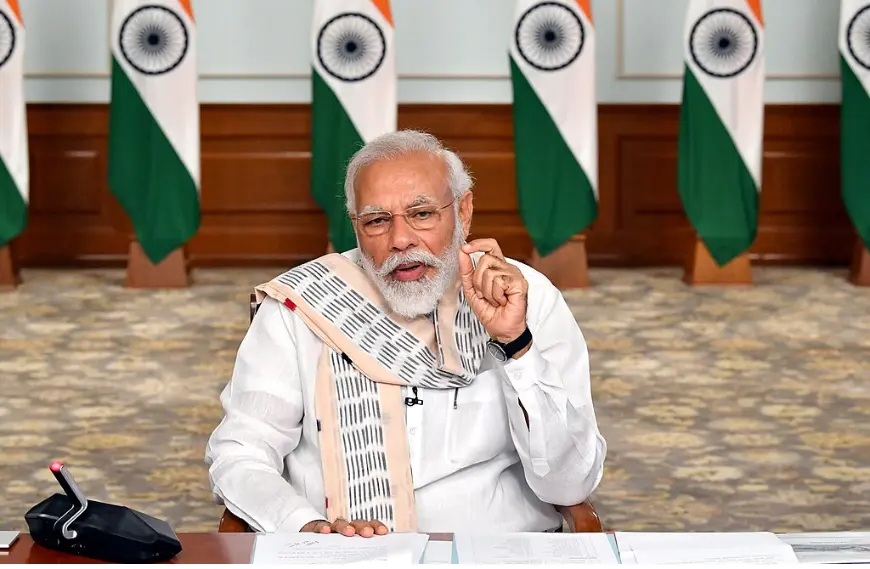
Imagine an India where fear no longer grips the forests and villages of the Red Corridor. A place where tribal communities thrive with schools, roads, and jobs, free from the shadow of violence. This is the vision Prime Minister Narendra Modi is bringing to life with a daring goal: to wipe out Naxalism by March 31, 2026. With strong leadership and a clear deadline, the Modi government is charging toward a peaceful, prosperous future. Let’s dive into how this mission is unfolding and why it’s sparking hope across the nation.
What is Naxalism?
Naxalism began in 1967 in Naxalbari, West Bengal, as a protest against unfair land practices. Over time, it grew into a violent movement led by armed groups called Naxalites or Maoists. These groups operate in remote tribal areas, known as the Red Corridor, spanning states like Chhattisgarh, Jharkhand, Odisha, and Maharashtra. They claim to fight for the poor, but their actions have brought bloodshed, fear, and stalled progress. For decades, Naxalism has been a thorn in India’s side but the Modi government is determined to pull it out for good.
A leader with a plan
Prime Minister Modi and Union Home Minister Amit Shah have taken a stand: Naxalism must end by March 31, 2026. Shah has made it clear Naxalites can surrender, be arrested, or face elimination. This isn’t just tough talk; it’s a promise backed by action. The government isn’t only fighting with guns but also with development, opportunity, and hope. It’s a strategy that’s hitting Naxalism where it hurts and winning hearts in the process.
How India is winning the battle
The Modi government is tackling Naxalism with a powerful mix of strength and compassion. Here’s how they’re doing it:
1. Cracking Down with Force
Security forces are striking hard at Naxalite strongholds. Take Operation Black Forest in Chhattisgarh’s Karreguttalu Hills in April-May 2025—31 Naxalites were neutralized, and weapons, explosives, and supplies were seized. This was a massive blow to their network! The Central Reserve Police Force (CRPF), Chhattisgarh Police, District Reserve Guard (DRG), and CoBRA commandos are working together like a well-oiled machine. In just one year, 287 Naxalites were taken down, 1,000 arrested, and 837 surrendered in Chhattisgarh alone. With 320 new security camps and 555 fortified police stations since 2019, the government is closing in on the insurgents.
2. Building a Better Future
Naxalism thrives in areas where poverty and neglect create despair. The Modi government is changing that by bringing development to the remotest corners:
- Roads to Progress: Under the Pradhan Mantri Gram Sadak Yojana, new roads are connecting villages, making life easier for locals and tougher for Naxalites to hide.
- Education and Jobs: Over 130 Eklavya Model Residential Schools are giving tribal kids a shot at a brighter future. The ROSHNI Scheme is training rural youth for jobs, opening new doors.
- Digital Reach: Mobile towers under the Digital Bharat Nidhi scheme are bringing connectivity to cut-off areas, linking people to the world.
These steps are replacing hopelessness with opportunity, making Naxalism less appealing.
3. Offering a Way Out
The government is giving Naxalites a chance to start over. Chhattisgarh’s surrender policy is one of the best in India, offering cash, training, and jobs to those who lay down their arms. Many former Naxalites are even joining the police, using their knowledge to help end the fight. It’s a powerful message: choose peace, and India welcomes you back.
4. Cutting the Lifelines
Naxalites rely on money and urban networks to survive. The Enforcement Directorate is choking their funding, while security forces are dismantling their city-based support systems. Without resources, Naxalites are struggling to keep up.
Stunning progress
The results are hard to ignore:
- Naxal-affected districts have plummeted from 126 in 2014 to just 12 in 2024, with only six heavily impacted.
- Violence is down 53%, and deaths of security personnel and civilians have dropped by 70% compared to 2004-2014.
- In early 2025, 197 hardcore Naxalites were neutralized in just four months.
- Naxalite groups are splintering, their recruitment is drying up, and their grip is weakening.
This isn’t just a fight, it’s a victory in the making!
Ending Naxalism isn’t just about stopping violence; it’s about transforming lives. The Modi government’s efforts are bringing a “new sunrise” to 6.5 crore people in the Red Corridor, from Pashupatinath in Nepal to Tirupati in Andhra Pradesh. Tribal communities are getting schools, hospitals, and jobs, giving them a stake in India’s growth. Events like the Bastar Olympics and cultural festivals are celebrating tribal pride, showing young people they belong to a vibrant, forward-moving nation.
Challenges on the horizon
The road isn’t easy. Naxalites are now trying to sneak into cities, creating new threats. Remote terrains still pose challenges for security forces, and every village needs to feel the benefits of development. But with Modi and Shah at the helm, and close coordination with state governments, these hurdles are being tackled head-on.
A future without fear
The Modi government’s mission to make India Naxal-free by March 31, 2026, is more than a deadline it’s a promise of peace and progress. With fearless operations, life-changing development, and open arms for those who choose peace, India is turning the tide against Naxalism. For policy watchers, political analysts, and BJP supporters, this is a moment to rally behind a vision that’s making history. By 2026, the Red Corridor could shine as a beacon of hope, proving that strong leadership can change a nation’s future.


