










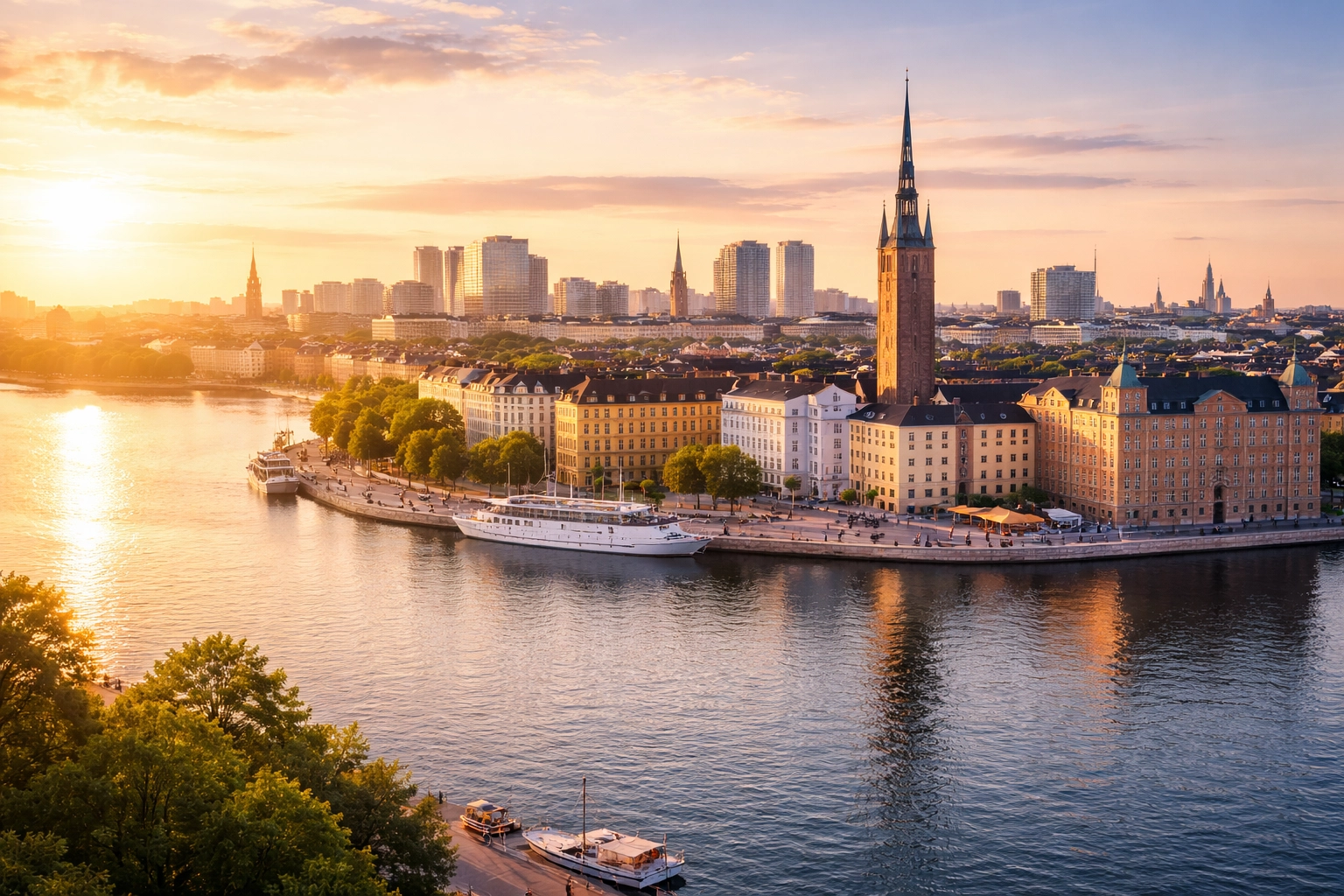
When the conversation turns to some of the best places to live in the world, the Nordic nations Finland, Denmark, Iceland and Norway invariably sit at the top of the list. Their presence in global livability and happiness rankings is not accidental. It is the outcome of deliberate public policy choices, social cohesion and a collective commitment to human development.
What defines these countries is a social contract that emphasises both rights and responsibilities. Healthcare is not a commodity but a universal service. Education is accessible to all, from early childhood through tertiary levels. Public transit systems are efficient, environmental stewardship is a priority, and social safety nets protect citizens from the shocks that so easily destabilise other societies.
In these nations, long-term planning and public participation are integral to governance. People do not fear that a serious illness or an economic downturn will push them into unmanageable debt. Retirement is not a term dreaded for the insecurity it brings, but a stage of life supported by reliable pensions and community investment. These are not abstract ideals but lived realities that allow people to experience life with confidence rather than anxiety.
Yet this comfort is not costless. High levels of public service provision require significant taxation. Citizens in these countries accept this as part of a broader agreement: they pay more in taxes, but in return they receive a high degree of social security. It is a trade-off that many find worthwhile because it reduces life’s uncertainties across the population.
Moreover, this model acknowledges that stability and creativity are not mutually exclusive. Innovation thrives in environments where people feel secure enough to take intellectual and entrepreneurial risks. The Nordic approach has found a way to make stability a platform for aspiration rather than a brake on ambition.
There are challenges, of course. An aging population presents fiscal and social pressures. Housing affordability can strain young families in urban centres. But the persistence of these nations at the top of quality-of-life measures suggests that their systems, while imperfect, succeed in sustaining livability over time.
For those considering a place to live that combines peace with opportunity, the Nordic model provides a compelling blueprint. It reminds us that the conditions for a livable society are not merely economic but deeply rooted in how communities choose to care for one another.
Subscribe Deshwale on YouTube


