










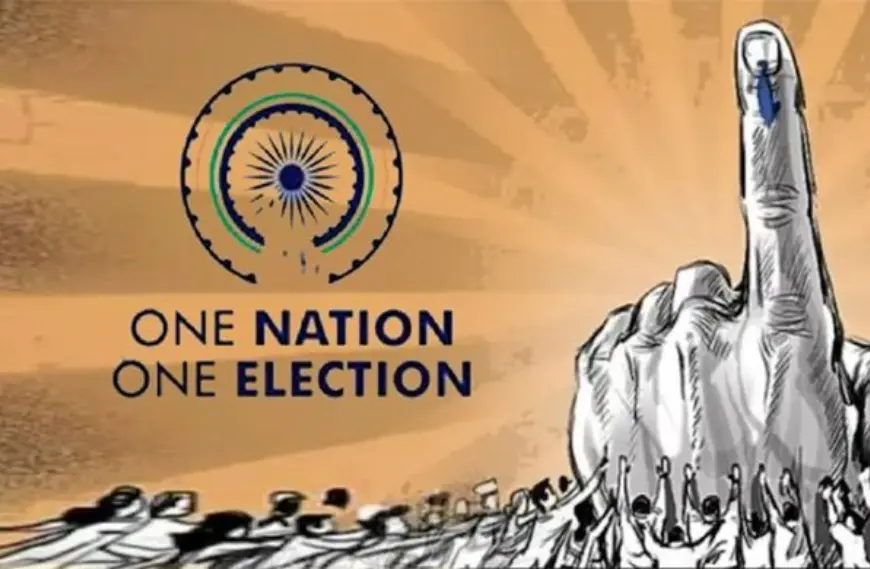
Imagine voting for both your national parliament and state government on the same day. That’s the core of “One Nation, One Election,” a proposal to hold simultaneous elections for the Lok Sabha and state assemblies across India. It’s a topic that’s sparked heated debates, with some seeing it as a game-changer for efficient governance and others worrying it could mess with India’s federal system. Let’s dive into the pros, cons, and everything in between, keeping things fair and neutral.
Background
Right now, India’s elections are a bit like a never-ending festival where different states and the central government hold polls at different times, depending on when their five-year terms end or if an assembly gets dissolved early. The idea of syncing all these elections isn’t new; India actually did this from 1951 to 1967. But political instability, like early government collapses, threw things off track. Recently, the concept has made a comeback, with political leaders, government panels, and policy wonks weighing in. It’s a big idea, and it’s got people talking.
The Support Side
Those cheering for simultaneous elections say it could solve a lot of headaches. Here’s why:
- Saving Money: Elections in India aren’t cheap. From setting up polling booths to deploying security forces and funding campaigns, the costs add up fast. Holding national and state elections together could slash these expenses, freeing up cash for things like schools or roads.
- Less Disruption: Every time an election rolls around, the Model Code of Conduct kicks in, putting a pause on new policies or projects. With elections happening all the time, governance can feel like it’s on hold. One big election every five years could let governments focus on actually running the country.
- Easier for Voters: Let’s face it, going to the polls multiple times in a few years can be exhausting. A single election day might boost voter turnout by making the process simpler and less frequent.
- Smoother Operations: Organizing elections is a massive task, pulling in everyone from election officials to police. Doing it all at once could make better use of these resources, saving time and effort.
The Opposition Side
Not everyone’s on board, and critics have some serious concerns about how this would work in practice:
- Federalism at Risk: India’s states have their own identities and issues, and their autonomy is a big deal. Syncing state elections with national ones might drown out local concerns, with big national parties stealing the spotlight.
- Logistical Nightmares: India’s huge 1.4 billion people, thousands of polling stations, and a large bureaucracy. Running elections for everything at once would be a logistical beast, requiring tons of voting machines, staff, and coordination. One misstep could cause chaos.
- What If Things Go Off-Script?: Governments don’t always last five years. If a state assembly or the Lok Sabha collapses early, keeping the election cycle synced could get messy. Solutions like President’s Rule or mid-term polls might stir up more problems than they solve.
- Voter Confusion: Mixing national and state elections could blur the lines between local and national issues. Voters might end up influenced by a national party’s wave, sidelining regional players who focus on state-specific needs.
What It Would Take
Pulling off “One Nation, One Election” isn’t as simple as picking a date. It would need major changes, like improving the Constitution and getting buy-in from the Election Commission, political parties, and state governments. Back in 2015, a Parliamentary Committee (170th Report) explored the idea, and the Law Commission’s 2018 report (255th Report) suggested a step-by-step approach with lots of discussion. But political parties are split, and agreement is hard to come by.
Technology could help better electronic voting machines and digital systems might make managing a mega-election easier. Still, scaling up would be a massive undertaking. Plus, voters would need clear information to understand how a unified election works and what it means for them.
How It Works Elsewhere
Some countries, like Sweden and South Africa, hold national and local elections at the same time and seem to manage okay. But India’s a different beast: its size, diversity, and federal setup make it a unique challenge. We can learn from others, but there’s no one-size-fits-all solution here.
“One Nation, One Election” is a bold idea that could shake up how India votes. The promise of saving money, streamlining governance, and making voting easier is tempting. But the risks of threats to federalism, logistical hurdles, and potential voter confusion aren’t small. Moving forward would mean careful planning, testing the waters with pilot projects, and getting everyone on the same page. Whatever happens, the goal should be a stronger democracy that respects India’s incredible diversity and federal spirit.


