










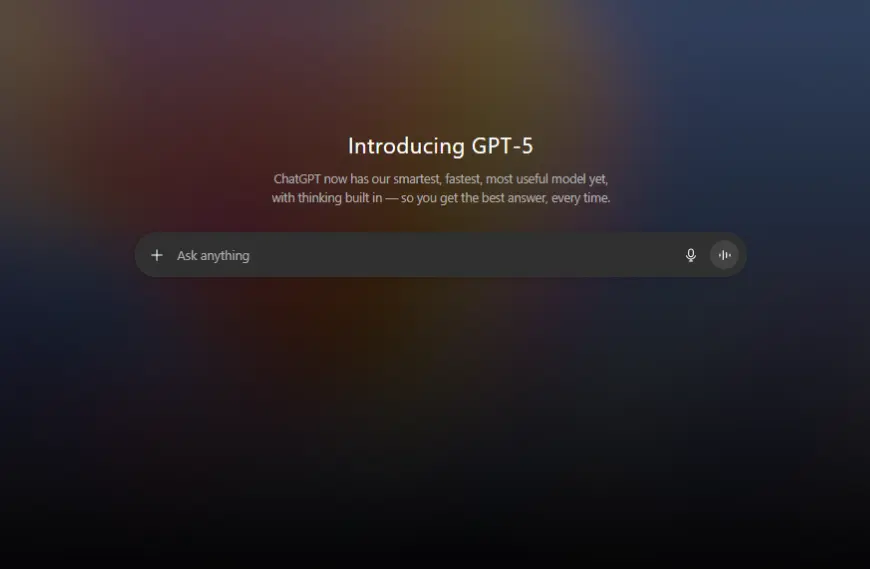
OpenAI launched ChatGPT-5, a groundbreaking AI model, in a live-streamed event. The model excels in reasoning, coding, and health-related queries. It promises to transform how users access medical insights, especially in underserved areas.
ChatGPT-5 shines in health applications. It flags potential serious conditions, including cancer, based on user inputs. OpenAI tested the model with 250 physicians, achieving top scores on health benchmarks. Unlike its predecessors, it reduces errors by 65% compared to earlier models, ensuring reliable responses.
A compelling story emerged during the launch. Carolina, a cancer patient, used ChatGPT to decode a complex biopsy report. The AI translated medical jargon into plain English within seconds. This clarity helped her prepare for doctor consultations. She later relied on the model to weigh treatment options, like radiation, when doctors disagreed. Her story highlights the model’s real-world value.
ChatGPT-5 comes in three variants: standard, Mini, and Nano. Free users access the standard and Mini versions, while the Pro version, costing $200 monthly, unlocks advanced features. The model integrates across OpenAI’s products, supporting tasks like coding, image generation, and voice mode. It also connects with Microsoft and, soon, Google products for Pro users.
Despite its strengths, ChatGPT-5 isn’t perfect. It’s a supplementary tool, not a doctor replacement. Users must consult professionals for diagnoses. Some netizens expressed frustration online, noting shorter, less engaging responses compared to GPT-4o. Others mourned the removal of older models, feeling the new version lacks personality.
OpenAI addressed these concerns, emphasizing improved accuracy and safety. The model underwent 5,000 hours of external testing to reduce hallucinations—false information—making it 45% less error-prone than GPT-4o. It also communicates limitations clearly, avoiding deceptive responses.
ChatGPT-5’s health capabilities mark a leap forward. It empowers users to understand medical reports and ask better questions. In regions lacking medical access, this AI could bridge gaps. Yet, its success depends on users’ awareness of its limits.


